
Wall Stays, End Caps, Bleed Valves Products
Frequently Asked Questions
What is the primary structural function of a radiator wall stay, and why is it technically mandated for freestanding cast iron radiators?
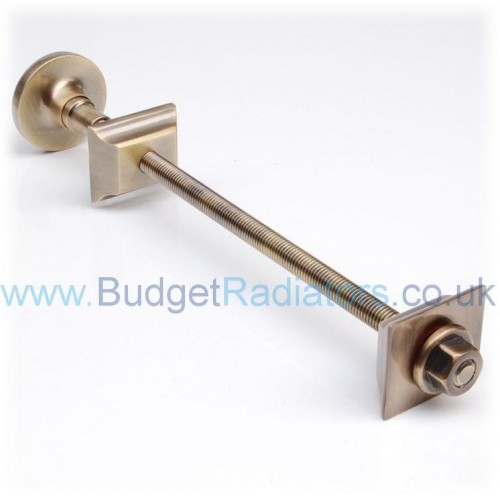
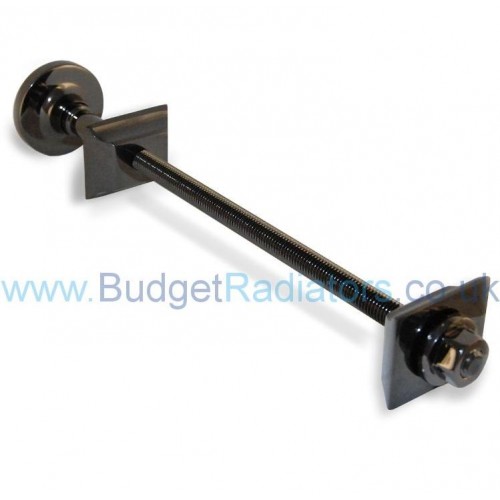
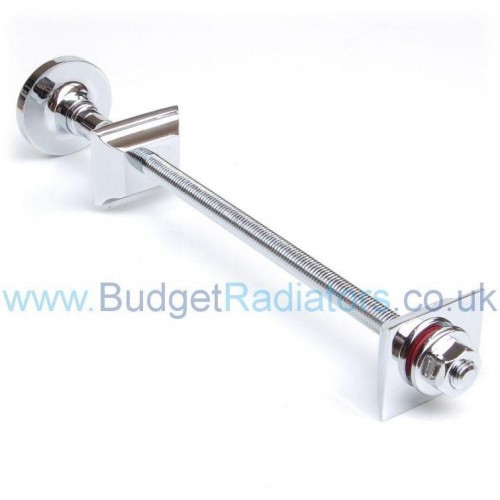
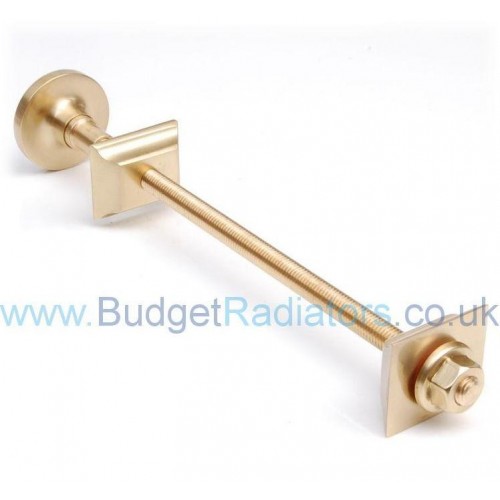
Radiator wall stays act like a safety belt. Heavy radiators, especially cast iron ones, can tip over if bumped. The wall stay connects the top of the radiator to the wall so it stands firm and cannot fall on children or pets.
Based on load-bearing requirements, how does one calculate the exact number of wall stays needed for a multi-section cast iron radiator installation?
It depends on size. If your radiator has up to 10 sections, you need one wall stay in the middle. If it has more than 10 sections, you must use two wall stays to share the weight safely.
What is the technical distinction between a 1/2 inch BSP radiator end cap and a radiator bleed valve in terms of hydraulic function?
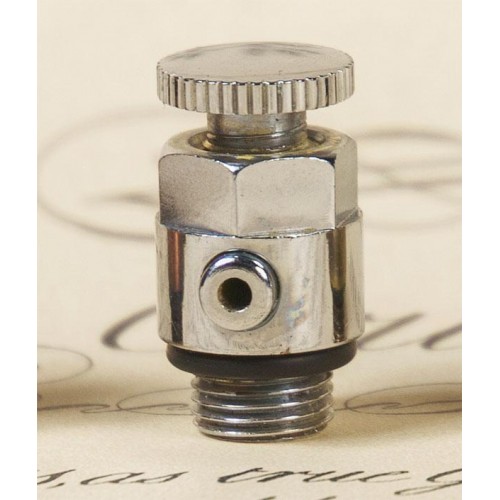
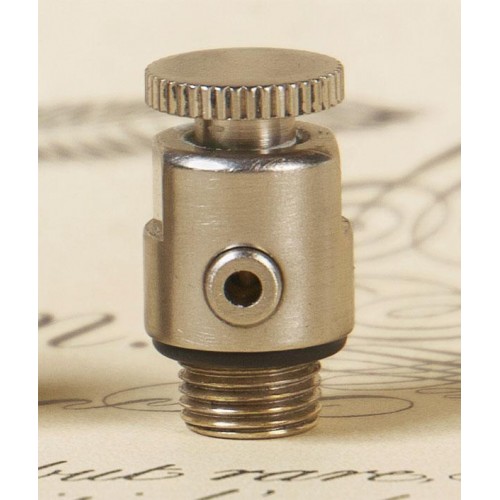
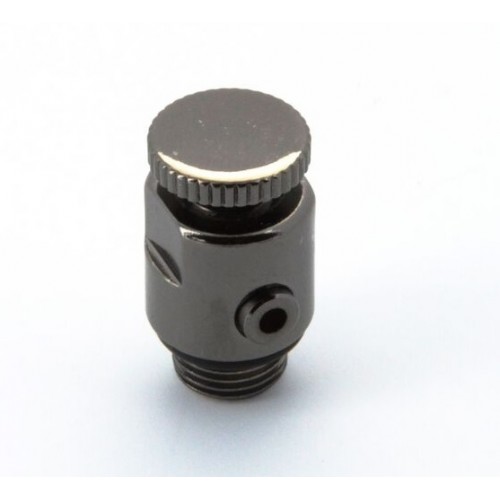
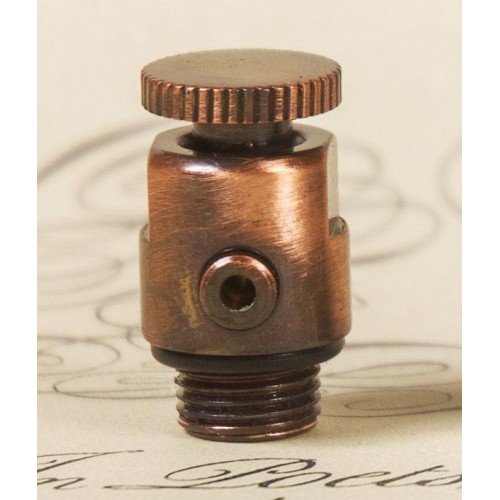
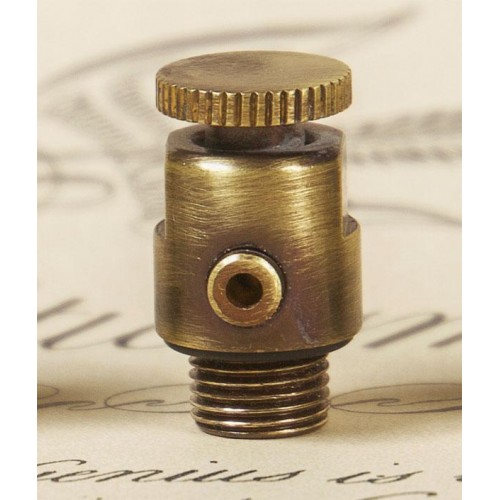
They are opposites. An end cap (or blanking plug) seals the hole to keep water in. A bleed valve has a tiny vent to let trapped air out. You need one of each on the top corners of your radiator.
What is the correct installation procedure for a luxury wall stay when the threaded rod length exceeds the distance between the radiator and the wall?
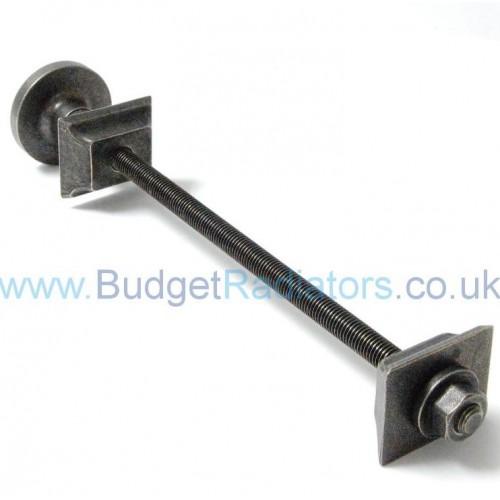
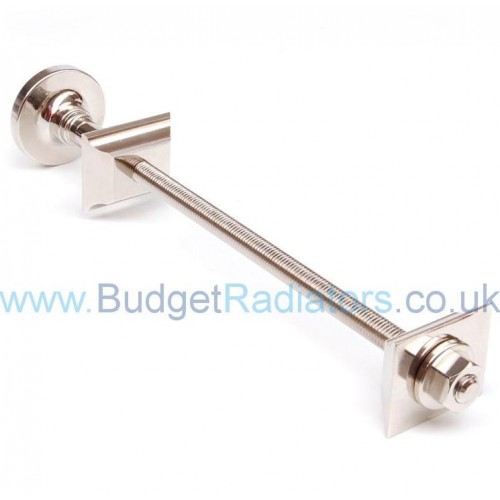
Luxury wall stays are adjustable. You simply measure the distance to the wall and cut the long metal rod (threaded bar) with a saw to fit perfectly. It is designed to be cut to size!
How can a user technically identify if a radiator suffers from an
Feel your radiator while the heating is on. If it is hot at the bottom but cold at the top, you have trapped air. Use the bleed valve to let the air escape until water flows.
Is the 1/2 inch BSP thread standard universal across all modern and traditional cast iron radiator accessories in the UK market?
Yes, 1/2 inch BSP is the standard size for almost all UK radiators. Whether you have a modern heater or a vintage cast iron one, our end caps and bleed valves will screw right in.
What specific tools and wall fixings are required to securely anchor a cast iron radiator wall stay into a solid masonry or stud wall?
You need a drill, a masonry bit (for brick walls), and a screwdriver. We provide the rawl plugs and screws. You drill a hole, put the plug in, and screw the wall stay base tightly to the wall.
Can a leaking radiator bleed valve be repaired by tightening the spindle, or does the entire component require technical replacement?
First, try tightening the little square nut gently with a radiator key. If water still drips, the internal seal is broken. It is cheaper and safer to just buy a new bleed valve and replace it.
What is the recommended positioning of the clamping plate on a wall stay relative to the radiator columns for maximum stability?
The clamping plate goes between the radiator sections (columns). It grabs the radiator from the back so you can't see it much from the front. This hides the fitting but keeps the cast iron radiator secure.
How does one technically resolve the issue of a radiator end cap that is seized or cross-threaded preventing removal during maintenance?
If an end cap is stuck, turn off the heating and let it cool. Wrap a cloth around it (to protect the finish) and use a long wrench (spanner) for extra turning power. Turn it counter-clockwise (left) to loosen it.
Regarding galvanic corrosion, is it safe to install brass or chrome accessories on a cast iron radiator system without dielectric unions?
Yes, it is safe. Brass and chrome accessories are made to work with cast iron radiators. You do not need special adapters; they are compatible and will not cause rust problems on the threads.
What is the technical procedure for
1. Turn heating off. 2. Put a cloth under the bleed valve. 3. Turn the key slightly until you hear hissing (air coming out). 4. When water bubbles out, close it quickly. 5. Check your boiler pressure gauge afterward.
Can a wall stay be retrofitted to an existing radiator installation without disconnecting the unit from the central heating pipework?
Yes! You do not need to drain the water. Just find the spot on the wall behind the radiator, drill your hole, and attach the wall stay. It clamps onto the radiator without touching the pipes.
What are the aesthetic and technical options for matching wall stays to thermostatic radiator valves (TRVs) and lockshield valves?
We suggest matching the finish. If you have chrome valves, buy chrome wall stays. If you have antique brass valves, use brass wall stays. This makes the whole set look like it belongs together.
Does the installation of a radiator wall stay affect the BTU (British Thermal Unit) heat output or convection currents of the unit?
No, not at all. A radiator wall stay is just a bracket. It does not touch the water inside or block the heat. Your radiator will keep the room just as warm as before.
What is the technical solution if the radiator bleed valve vent is facing the wall, making access with a radiator key difficult?
You can buy a "venting" end cap that rotates. Or, just use a "stubby" radiator key that fits in tight spaces. You can also loosen the valve slightly (when cool) to turn the hole forward, then re-tighten.
Are there specific heavy-duty wall stays available for
Yes. Our luxury wall stays are heavy-duty and solid brass. They are strong enough for big "school" style radiators. Just remember the rule: use two stays for any radiator with more than 10 sections.
How often should the rubber O-ring seals on radiator end caps and bleed valves be inspected for degradation or hydrostatic leaks?
Check them once a year, usually in Autumn before you turn the heating on. If you see any green crust or wet spots around the end cap, the rubber seal might need replacing.
What is the correct method to apply PTFE tape to the threads of a radiator end cap to ensure a watertight hermetic seal?
Wrap PTFE tape (plumber's tape) around the threads about 5 to 10 times. Wrap it in the same direction you screw it in (clockwise). This fills the gaps and stops water from leaking out.
Can radiator wall stays be mounted into plasterboard (drywall), or is a solid timber stud or masonry anchor technically required?
For heavy radiators, you must find a wooden stud or brick behind the plasterboard. Plasterboard alone is too weak to hold a heavy cast iron radiator if it falls. Safety is key!