
Valves Products
Frequently Asked Questions
What is the difference between a 15mm and 10mm radiator valve?
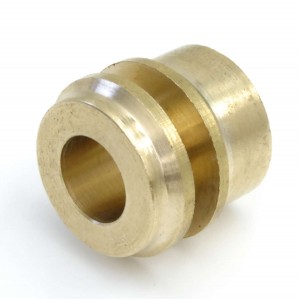
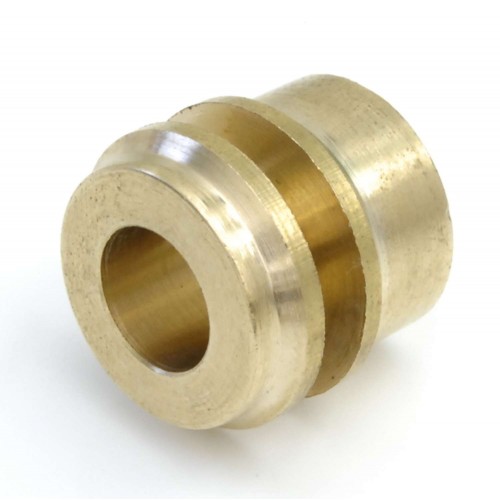
In the UK, 15mm is the standard copper pipe size for modern central heating systems. However, many older homes use 10mm or 8mm "microbore" piping. While most of our valves are 15mm as standard, you can easily fit them to smaller pipes using a simple internal reducer or adapter, which we stock in our accessories section.
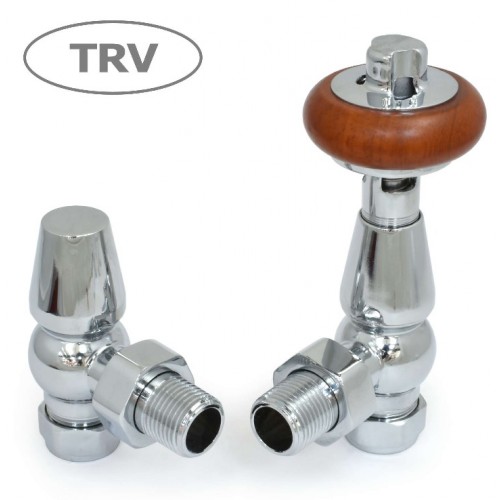
Do I need a Thermostatic Radiator Valve (TRV) on every radiator?
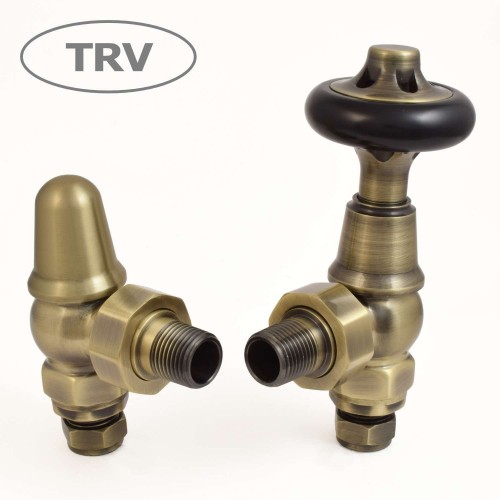
Current UK Building Regulations (Part L) recommend TRVs on all radiators except in the "reference room," which is usually the room containing your main wall thermostat (often the hallway or living room). Having a TRV in the same room as the wall thermostat can cause the two devices to conflict, leading to inefficient heating and boiler cycling.
Can I install a TRV on either side of the radiator?
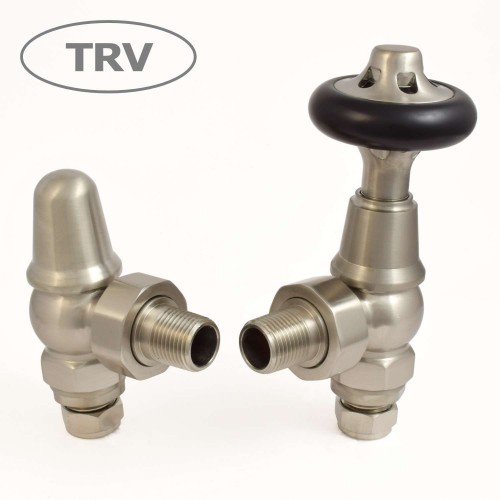
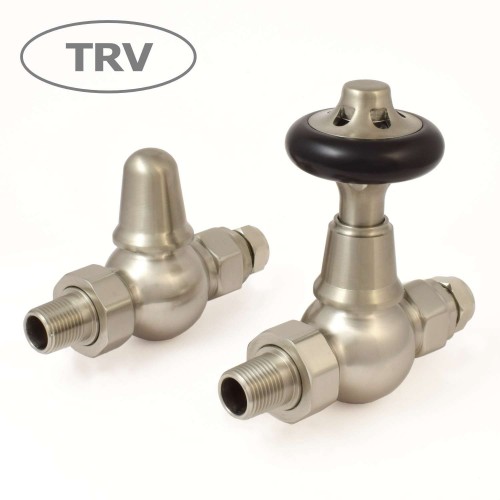
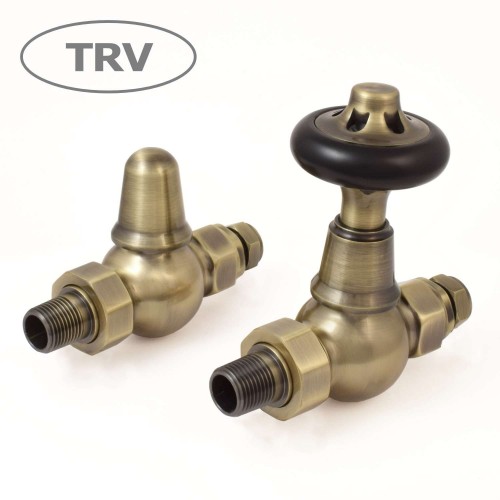
Most modern thermostatic valves are "bi-directional," meaning they can be installed on either the flow or return pipe. However, some older or budget models are uni-directional and must be installed on the flow side to prevent "water hammer" (a loud vibrating noise). All Budget Radiators TRVs are clearly marked for installation ease.
What is the benefit of a liquid-filled sensor over wax?
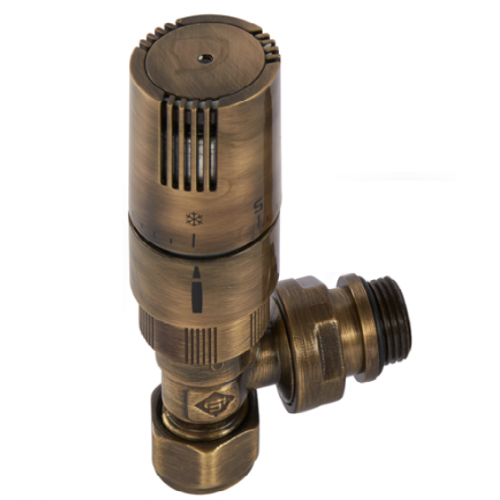
Liquid-filled sensors are technically superior because they are more sensitive to temperature changes. A liquid-filled TRV will react and adjust the water flow significantly faster than a traditional wax sensor, providing tighter temperature control and better energy savings.
Are these valves compatible with heat pumps?
Yes. Our valves are compatible with both traditional gas boilers and modern air-source or ground-source heat pumps. Because heat pumps operate at lower flow temperatures, it is even more critical to use high-quality, non-restrictive valves to maintain system efficiency.