
Modern Manual Radiator Valves Products
Frequently Asked Questions
What is the technical difference between a modern manual radiator valve and a thermostatic valve in terms of water flow control?
A manual radiator valve works exactly like a standard tap. When you turn the handle, a metal spindle inside lifts a washer to let hot water flows into the radiator. It stays at that exact flow rate until you move it again. A thermostatic valve is different because it has a wax or liquid sensor inside that expands with heat to push the pin down and stop the water flow automatically when the room gets warm. Manual valves give you fixed control, while thermostatic valves change on their own.
My central heating pipes come out of the floor and connect to the side of the radiator so which valve shape is technically correct?
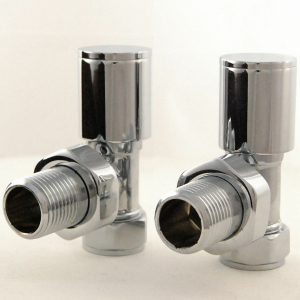
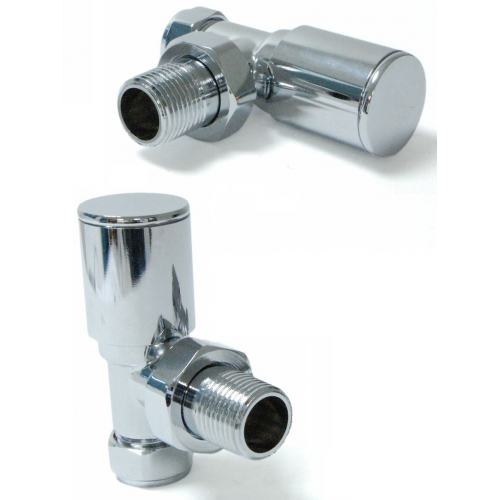
You need Angled Manual Radiator Valves for this setup. The technical reason is that your pipe is vertical coming from the floor, but the radiator connection is horizontal on the side. The valve has a 90 degree bend inside its body to turn the water flow around the corner. If you tried to use a straight valve here, it would not fit because it does not have a bend to join the vertical pipe to the horizontal inlet.
How do I know if these manual valves will fit my existing central heating pipes if I have standard UK plumbing?
Most homes in the UK use 15mm copper pipes for heating. Our modern manual radiator valves are designed with a standard 15mm compression fitting which tightens around the pipe using a nut and a small metal ring called an olive. The threaded part that screws into the radiator itself is a 1/2 inch BSP size, which is the universal standard for almost all radiators and heated towel rails in the UK.
Can I install modern manual radiator valves if my home uses smaller microbore pipes like 10mm or 8mm instead of 15mm?
Yes you can install them but you will need an extra part called a reducer. The valve inlet is built for 15mm pipes. If your pipes are 10mm or 8mm, the reducer sits inside the valve opening to fill the gap and grip the smaller pipe tightly. You simply put the reducer onto your pipe before sliding the valve on, and it ensures a watertight seal even on these narrower microbore systems.
What is the technical function of the Lockshield valve that comes in the set with the wheelhead valve?
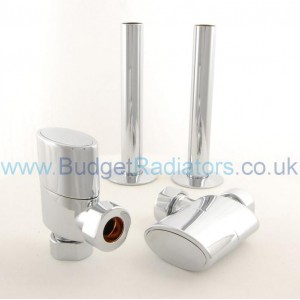
The Lockshield valve is technically designed to balance your heating system. While you use the wheelhead valve to turn the heat on and off, the Lockshield is usually set to a fixed position and covered with a plastic cap so you do not touch it. By restricting the water flow on the exit side of the radiator, it ensures the water flows slowly enough to give off heat, and forces enough pressure to reach radiators further away in your house.
Why is my manual radiator valve leaking water from the nut where it joins the copper pipe and how do I fix it?
A leak at the compression nut usually happens because the metal olive inside has not compressed enough to seal the gap. To fix this technically, you should first turn off the heating and let it cool. Then use an adjustable spanner to tighten the nut by a quarter turn. This forces the olive to squash tighter against the pipe and the valve body, creating a better seal. If it still leaks, you may need to drain the radiator and wrap PTFE tape around the olive.
Is it technically better to use manual valves on a heated towel rail in the bathroom instead of thermostatic ones?
Yes it is usually better to use manual valves on a bathroom towel rail. The technical reason is that thermostatic valves shut off when the room gets warm, often leaving your towels damp and cold. A manual valve keeps the hot water flowing constantly regardless of the room temperature, ensuring your towels dry properly. Also, building regulations often require at least one radiator (usually the towel rail) to have manual valves to act as a bypass for the boiler pump.
How do I properly apply PTFE tape to the radiator tail thread to ensure a watertight seal during installation?
You must wrap the PTFE tape clockwise around the thread when looking at the end of the tail. This is technically important because when you screw the tail into the radiator, a clockwise wrap tightens into the threads. If you wrap it anti clockwise, the tape will unravel and bunch up as you screw it in, causing the joint to fail and leak. You should apply about 10 to 15 layers of tape for a secure seal.
What should I do if my new modern manual valve does not line up perfectly with my existing copper pipes?
If the new valve is slightly out of line, you may need to technically adjust the radiator brackets or the pipework. Copper pipes have a small amount of flex, so you can sometimes gently push them into position. However, if the gap is large, you might need to use rigid pipe extensions or telescopic adapters which slide out to bridge the gap between your pipe and the valve inlet without putting dangerous stress on the joints.
Why is my radiator making a loud banging or vibrating noise after I installed new manual valves?
This noise is technically called water hammer or flow resonance. It often happens if a valve is installed the wrong way around on a unidirectional system, or if the water flow speed is too high. Although manual valves are usually bi directional (flow can go either way), check that the valve is fully open. If it is only half open, the water rushing past the internal spindle can vibrate the metal washer inside, causing a loud noise.
Do I need to fully drain my entire central heating system to replace a manual radiator valve?
You do not always need to drain the whole house system. You can technically use a method called a bung or freezing kit to block the water in just that one pipe section. However, the safest and most reliable way for a DIY beginner is to drain the system down. This removes the pressure and water volume, ensuring that when you undo the nut, you do not flood your floor with dirty heating water.
What is the best way to clean the finish on my black or brass manual radiator valves without damaging them?
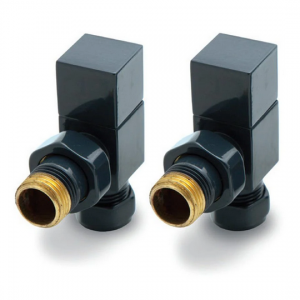
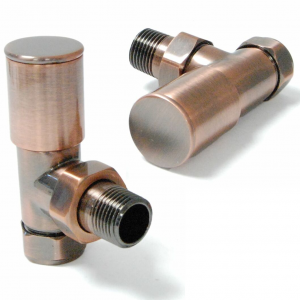
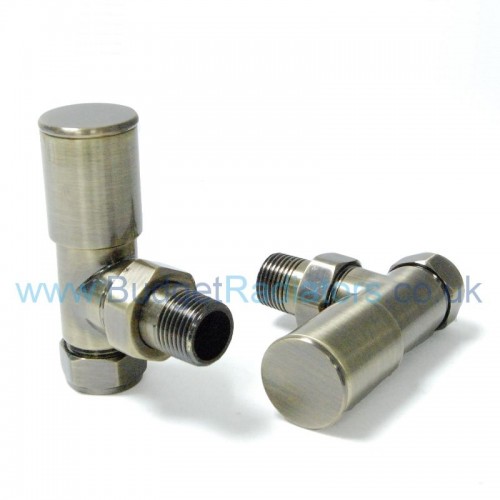
You should only use a soft damp cloth with warm water. Technically, the finish on modern valves (like matte black or brushed brass) is a coating that can be damaged by harsh chemicals. Do not use abrasive cleaners or scourers because they will scratch the surface layer and can cause the underlying metal to corrode or peel over time.
How does a straight manual radiator valve differ mechanically from an angled valve in terms of water path?
In a straight valve, the water flows in a straight line from the pipe directly into the radiator without turning. This is technically designed for pipes that come up from the floor and go into the bottom of the radiator (like on ladder towel rails) or pipes that come along the wall and go straight into the side. There is no internal baffle or bend to divert the water, making the flow path very efficient.
Can I install a manual valve on the return pipe or does it have to be on the flow pipe?
You can technically install a manual valve on either the flow pipe (where hot water enters) or the return pipe (where cooler water leaves). Modern manual valves are designed to handle water moving in either direction. However, it is standard practice to put the adjustable wheelhead valve on the flow side and the lockshield on the return side, but swapping them will not stop the radiator from working.
What tools do I technically need to tighten the valve tail into the radiator without damaging the thread?
You need a specific tool called a radiator spanner or an Allen key (usually 10mm or 12mm hex key). The valve tail (the part that goes into the radiator) has internal lugs or a hexagon shape inside. You insert the tool inside the tail to screw it in. Do not try to grip the threads with pliers from the outside, as this will damage the metal threads and prevent the valve from screwing on properly.
Why does the radiator not get hot even though the manual valve is fully open?
This is often caused by an air lock or a stuck lockshield valve. Technically, if air is trapped at the top of the radiator, hot water cannot fill it. You should try bleeding the radiator using a bleed key. If that does not work, the lockshield valve on the other side might be closed too tight. Try opening the lockshield valve slightly with a spanner to allow the water to flow out of the radiator, completing the circuit.
Are modern manual radiator valves compatible with old cast iron radiators?
Yes they are compatible as long as the cast iron radiator has standard 1/2 inch BSP bushes. However, cast iron radiators are very heavy and hold a lot of water. You should technically ensure the valve you choose is heavy duty enough to look right and handle the heat retention. Our modern valves are made of brass which is durable, but for very large cast iron radiators, you might want a larger style valve for aesthetic balance.
What is the maximum pressure rating for a standard domestic manual radiator valve?
Most domestic manual radiator valves are technically rated for a maximum working pressure of around 10 bar. A standard home central heating system usually operates between 1 and 2 bar pressure. This means the valves are engineered to be far stronger than necessary for normal use, providing a high safety margin against bursting or leaking under pressure.
How do corner radiator valves help save space compared to angled valves?
A corner valve is technically designed so the valve head points inwards parallel to the wall, rather than sticking out into the room. If your pipes come from the wall, an angled valve would make the adjustment head stick forward, which can be a tripping hazard or hit furniture. A corner valve keeps the head tucked neatly underneath the radiator line, saving technical floor space and looking much tidier.
Why is the spindle inside my manual valve stuck and not turning after summer?
This happens because of scale build up or corrosion when the valve is left in one position for months. Technically, the metal spindle can seize against the valve body. To fix it, you can remove the plastic head and gently tap the metal pin or body with a small hammer to shock the scale loose. Applying a little penetrating oil can also help lubricate the spindle so it turns freely again.