
Adapters and Reducers for Radiator Valve Pipe Connections Products
Showing 1 to 4 of 4 (1 Pages)
Frequently Asked Questions
How do I connect 10mm microbore pipes to standard 15mm radiator valves without leaks
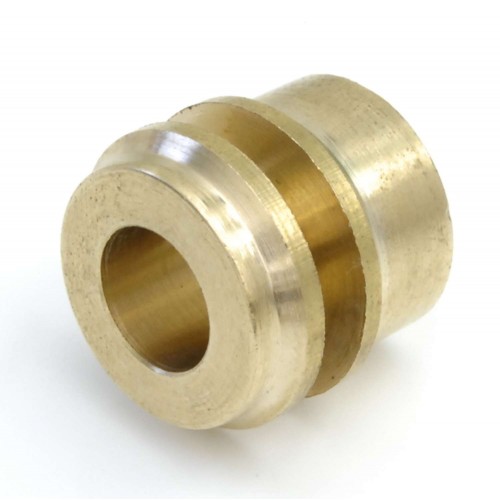
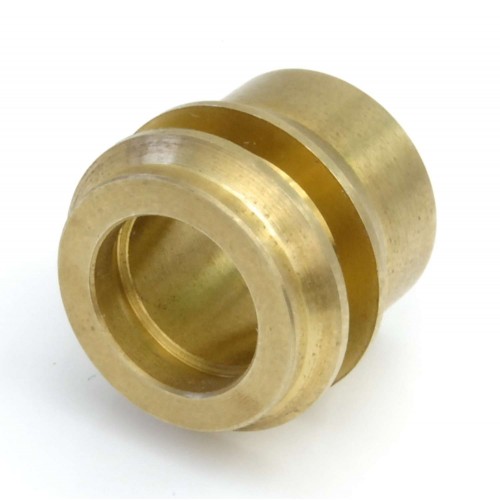
You need a 15mm to 10mm Microbore Reducer. This is a small metal piece that acts like a filling. You slide it inside the opening of your new 15mm valve. When you tighten the nut, the reducer fills the extra space and grips tight onto your small 10mm pipe so no water can escape.
What is the best way to extend radiator pipes that do not reach the valve inlet
The best solution is a Rigid Valve Extension. This is a straight metal tube that looks like a piece of chrome or brass pipe. You screw one end into your radiator and the other end connects to the valve. It acts like a bridge to close the gap between your short pipe and the radiator.
Can I use a 15mm to 8mm reducer for my very small central heating pipes
Yes you can. Many older UK homes have tiny 8mm pipes. You can buy a specific 15mm to 8mm Reducer. It works exactly like the 10mm version but has a thicker wall to fill the larger gap. Always measure your pipe width carefully before buying to ensure you get the right size.
How do I convert old imperial 1/2 inch radiator pipes to modern metric valves
Old iron pipes use imperial sizes like 1/2 inch which are slightly different from modern metric 15mm pipes. You can use a 1/2 inch to 15mm Adapter. This screws onto your old iron pipe and gives you a smooth 15mm end that fits perfectly into any modern radiator valve.
What is a rigid radiator valve extension and when should I use one
A rigid extension is a solid piece of metal that does not change length. You use it when you have a specific gap to fill (like 20mm or 30mm). It is stronger and looks neater than adjustable ones. It is perfect when your radiator is just a little bit too narrow for your existing pipework.
Do I need to drain my central heating system to install a pipe reducer
Yes usually you do. Since you have to take the valve off the pipe water will rush out if the system is full. You should turn off the boiler and use a hose on the drain off point to empty the water. If you are very quick or use a pipe freezing kit you might not need to drain it but draining is the safest way.
How do I stop a radiator valve extension from leaking water after installation
The secret is using PTFE Tape or plumbers tape. Before you screw the extension into the radiator wrap this white tape around the threads (the ridges) about five to ten times. This fills any tiny gaps between the metal parts and stops water from trickling out.
What is the difference between a telescopic extension and a rigid extension
A Telescopic Extension can slide in and out to change its length like a telescope. This is great if you do not know the exact size of the gap. A Rigid Extension is a fixed size. Rigid ones usually look better because they are one smooth piece of metal but you must measure the gap perfectly first.
How do I fit a radiator valve reducer into a compression fitting correctly
First slide the nut and the olive (the brass ring) onto your small pipe. Then slide the reducer into the end of the pipe. Push the whole thing into the valve body. Hold it steady and tighten the nut with a spanner. As you turn the spanner the reducer gets squashed tight creating a waterproof seal.
Can I use plastic pipe inserts with brass radiator valve reducers
Yes if you have plastic plumbing pipes you must use a Pipe Insert inside the plastic pipe first. This stops the plastic from being crushed when you tighten the reducer. Put the insert in the plastic pipe first then fit the reducer and valve as normal.
What tools do I need to install a 15mm to 10mm radiator pipe adapter
You do not need expensive tools. You mainly need an Adjustable Spanner or wrench to tighten the nuts. You also need PTFE Tape for the threads. If you need to cut the pipes to make space you might need a Pipe Slice or hacksaw. A towel is also good for catching drips.
Why are my new radiator valves bigger than the copper pipes in the floor
Modern industry standards use 15mm copper pipe. However builders in the 1970s and 80s often used 8mm or 10mm microbore pipe because it was cheaper and easier to bend. Your new valves are made for the modern standard which is why they look too big for your older pipes.
How do I measure my copper pipes to know which size reducer I need
Use a ruler or a tape measure and measure across the widest part of the pipe end. If it measures close to 15mm you are standard. If it measures roughly 10mm or 8mm you need a reducer. Do not guess because a 10mm reducer will be too loose on an 8mm pipe and will leak.
Is it safe to use a compression olive with a microbore pipe reducer
Yes it is safe and standard practice. The olive is the soft brass ring that squashes to make the seal. When you use a reducer the reducer essentially becomes the new surface for the olive to grip onto. Just make sure you do not overtighten it as copper is soft and can warp.
How do I fix a gap between my radiator and the valve without moving pipes
If the gap is small (under 50mm) use a Valve Extension. If the gap is very large you might need to use a piece of copper pipe and a Compression Coupler to extend the pipe coming from the floor. Extensions are easier because they just screw in and look like part of the radiator.
What is a 3/4 inch to 1/2 inch BSP radiator coupler used for
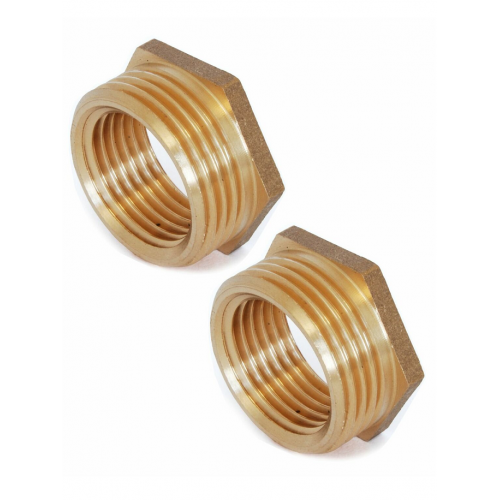
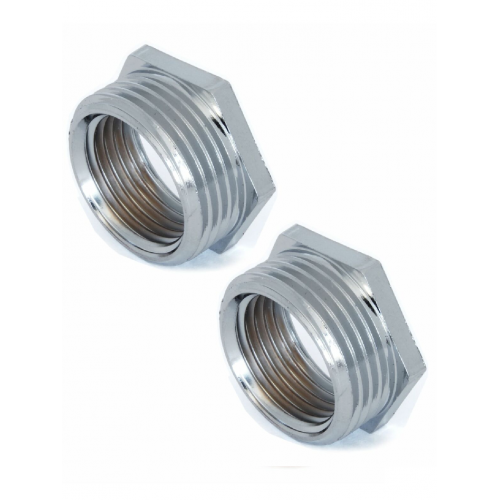
Some radiators especially cast iron ones have large 3/4 inch holes. Modern valves have smaller 1/2 inch tails. This coupler screws into the big hole to make it smaller so your standard valve can fit. It effectively shrinks the radiator entrance to the standard size.
Can I install radiator pipe adapters myself or do I need a plumber
You can certainly do it yourself if you are confident. It is a simple mechanical job of screwing parts together. The hardest part is draining the water. If you follow instructions and check for leaks carefully you can save a lot of money by doing it DIY.
How do I hide the ugly copper colour of my new radiator pipe extensions
If you are using adapters your copper pipe might show. You can buy Pipe Sleeves or Snappits. These are plastic or metal covers that clip over your pipes. They come in chrome, white, or black to match your new radiator and hide the old copper pipe underneath.
Will using a pipe reducer affect the heat output of my radiator
Technically it reduces the flow slightly but in a normal house system you will not notice any difference. The water is pumped under pressure so it will still flow through the reducer and fill the radiator hot. Your house will stay just as warm as before.
How do I use PTFE tape on a radiator valve tail extension thread
Hold the extension in your left hand with the thread facing you. Hold the tape in your right hand. Wind the tape Clockwise (the same direction you screw it in). If you wind it the wrong way the tape will unwind when you screw it in. Wrap it tight 5 to 10 times then snap the tape off.