
How to Style a Cast Iron Radiator in a Modern Home
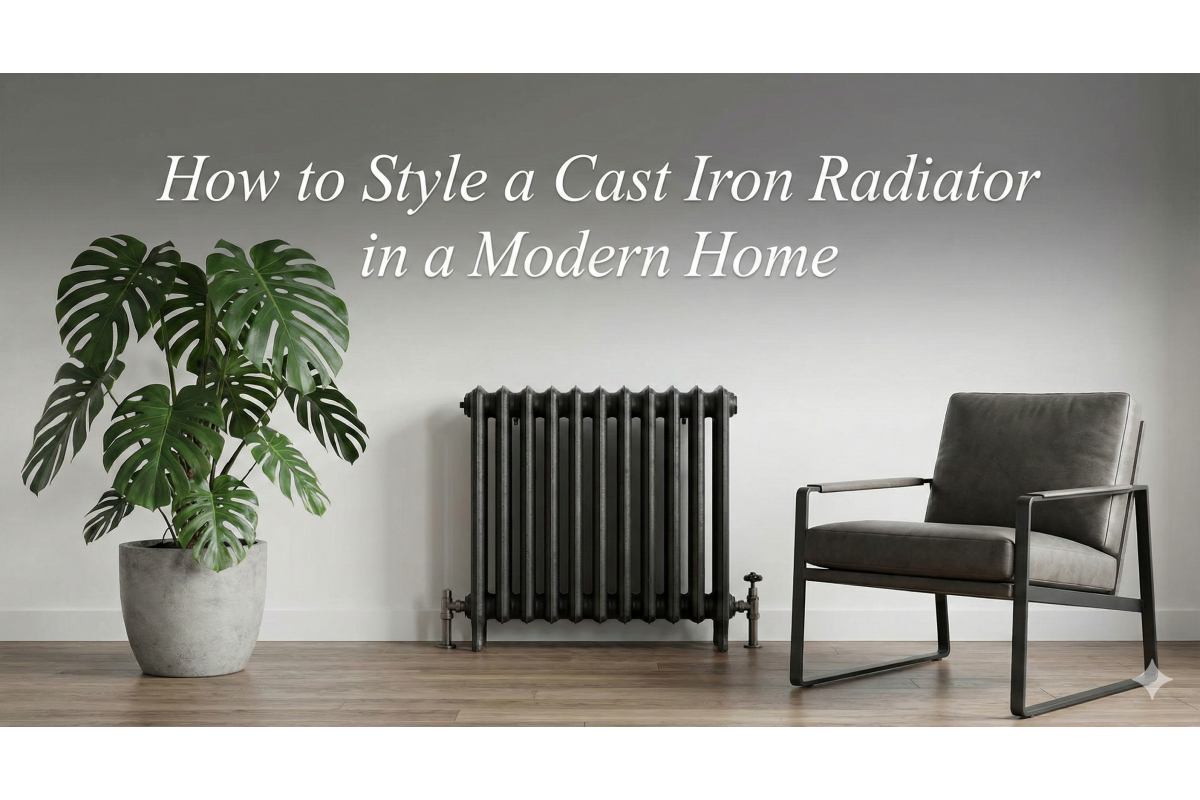
In the high-velocity world of modern interior design, where trends cycle with dizzying speed, there is a quiet but powerful counter-movement occurring in British homes. It is a return to permanence, authenticity, and weight. We are seeing a shift away from the disposable and the invisible, moving instead toward objects that anchor a room both visually and physically. At the center of this architectural renaissance stands a heating element that was once ripped out of Victorian renovations but is now being reclaimed as a primary sculptural feature: the cast iron radiator.
The modern home often defined by clean lines, expansive glazing, and high-efficiency technologies presents a unique challenge for the design-conscious homeowner. How does one reconcile the heavy, ornate, and historically charged aesthetic of 19th-century metallurgy with the 21st-century demands of minimalism and eco-efficiency? The answer lies not in hiding these metallic giants, but in celebrating them. It requires a shift in perspective, viewing the radiator not as a utilitarian vessel for hot water, but as "furniture that heats."
Whether you are retrofitting a draughty period property or injecting soul into a stark new build, the CAST IRON RADIATOR serves as the heartbeat of the home's thermal and aesthetic character. These units are no longer reserved for dusty museums or drafty manor houses; they are sophisticated, high-performance engines of comfort that, when styled correctly, bridge the gap between the industrial past and the sustainable future. In this guide, we will traverse the physics of radiant heat, explore the latest interior narratives, and provide the technical know-how to ensure your installation is as efficient as it is beautiful.
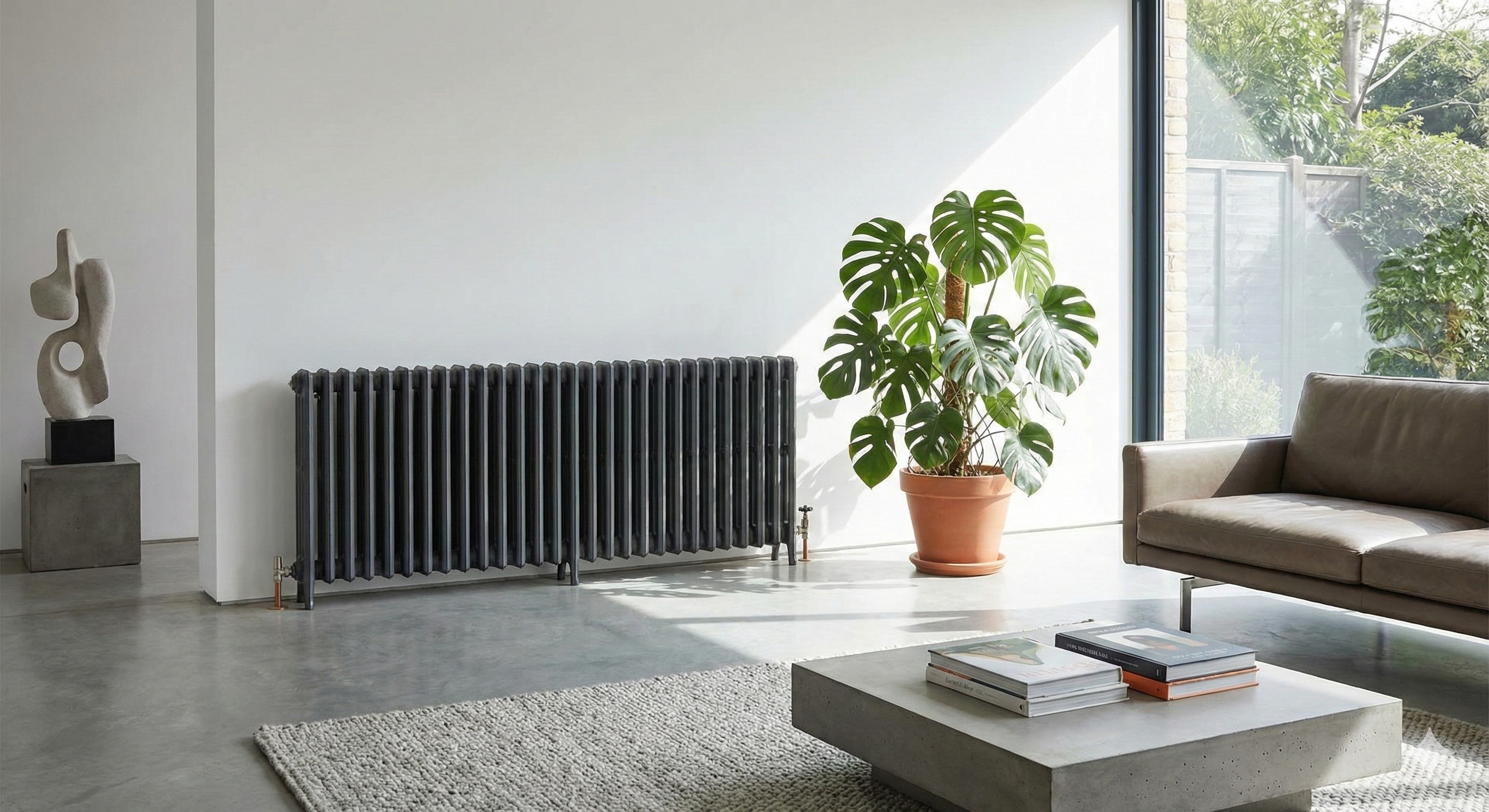
The Engineering of Comfort: Why Heavy Metal Wins
To style these radiators effectively, one must first respect their engineering. Unlike modern pressed steel or aluminum radiators, which are designed for rapid convection (heating the air quickly), cast iron is defined by its thermal mass. This density allows it to hold heat energy for hours after your boiler or heat pump has cycled off, creating a phenomenon known as the "thermal flywheel effect".
Radiant Heat vs. Convection
Modern panel radiators work by heating the air, causing it to rise to the ceiling. This often results in a room with a hot head-height temperature but a cold floor a "drafty" comfort profile. Cast iron, conversely, emits a significant portion of its energy as radiant heat. This is the same heat you feel from the sun; it travels in straight lines and warms the solid objects in the room the sofa, the walls, and you rather than just the air. For high-ceilinged modern homes or open-plan barn conversions, this is the only way to achieve true thermal comfort without wasting energy heating the vaulted space above you.
The Eco-Friendly Paradox
A common misconception is that these heavy radiators are incompatible with modern, green heating systems like Air Source Heat Pumps (ASHP). The reality is quite the opposite. Because heat pumps operate at lower water temperatures (typically 35°C to 45°C), they require radiators with large surface areas to output sufficient heat. The multi-column, deep-section structure of a cast iron radiator naturally provides this massive surface area, making it an ideal partner for low-temperature renewables.
Styling Narratives: Four Trends for 2026
Analyzing the current landscape of UK interior design, we can identify four distinct narratives where the cast iron radiator plays a starring role. Understanding these will help you choose the right model and finish.
1. The "Industrial Chic" Loft
This trend celebrates the "machine age." It is about raw materials, exposed mechanics, and honesty in construction. Here, the radiator is not furniture; it is machinery.
- The Look: Exposed brick, polished concrete floors, and Crittall windows.
- The Radiator: Opt for a chunky 4-column or 6-column Victorian style. These models have a squat, heavy stance that matches the visual weight of industrial furniture.
- The Finish: Avoid paint entirely. Choose a "Raw Metal Lacquered" or "Gun Metal" finish. These clear coats preserve the casting marks, dark spots, and manufacturing imperfections of the iron, locking them under a protective lacquer. It looks rugged, authentic, and perfectly imperfect.
- Styling Tip: Do not hide the plumbing. Use rigid copper pipes or heavy brass pipe shrouds and leave the wall stays visible. Pair with a distressed leather armchair to create a masculine, textural vignette.
2. The "Scandi" Sanctuary
Scandinavian design is synonymous with serenity, light, and natural materials. It rejects clutter and noise. How do you introduce a heavy iron object into a space defined by lightness?
- The Look: Neutral palettes (whites, greys, taupes), light woods (ash, oak), and tactile textiles (wool, linen).
- The Radiator: Choose a simpler model, such as the 2-column Edwardian or the smooth-faced "Hospital" style (originally designed for easy cleaning in the 1920s).
- The Finish: Use the "Colour Drenching" technique. Paint the radiator in the exact same matte shade as the wall behind it (e.g., Farrow & Ball 'Ammonite' or 'Cornforth White'). This allows the physical bulk of the radiator to recede visually, leaving only the shadow play of the vertical columns to add texture.
- Styling Tip: Place a large woven basket with birch logs or a singular potted plant next to the radiator. The organic shapes will soften the rigid vertical lines of the metal.
.png)
3. The Maximalist "Jewel Box"
Maximalism is the rebellious cousin of design rich, saturated, and unapologetically opulent. In this narrative, the radiator is a piece of jewelry.
- The Look: Deep colors (navy, emerald, burgundy), velvet textures, and brass accents.
- The Radiator: This is the home of the "Rococo" or "Floral" cast iron radiator. These models feature intricate scrolls and vines cast directly into the metal.
- The Finish: Go bold. "Antique Copper," "Burnished Gold," or "Pewter" finishes are essential here. A burnishing paste is often applied by hand to darken the recesses of the floral pattern while highlighting the raised details, making the pattern "pop" from across the room.
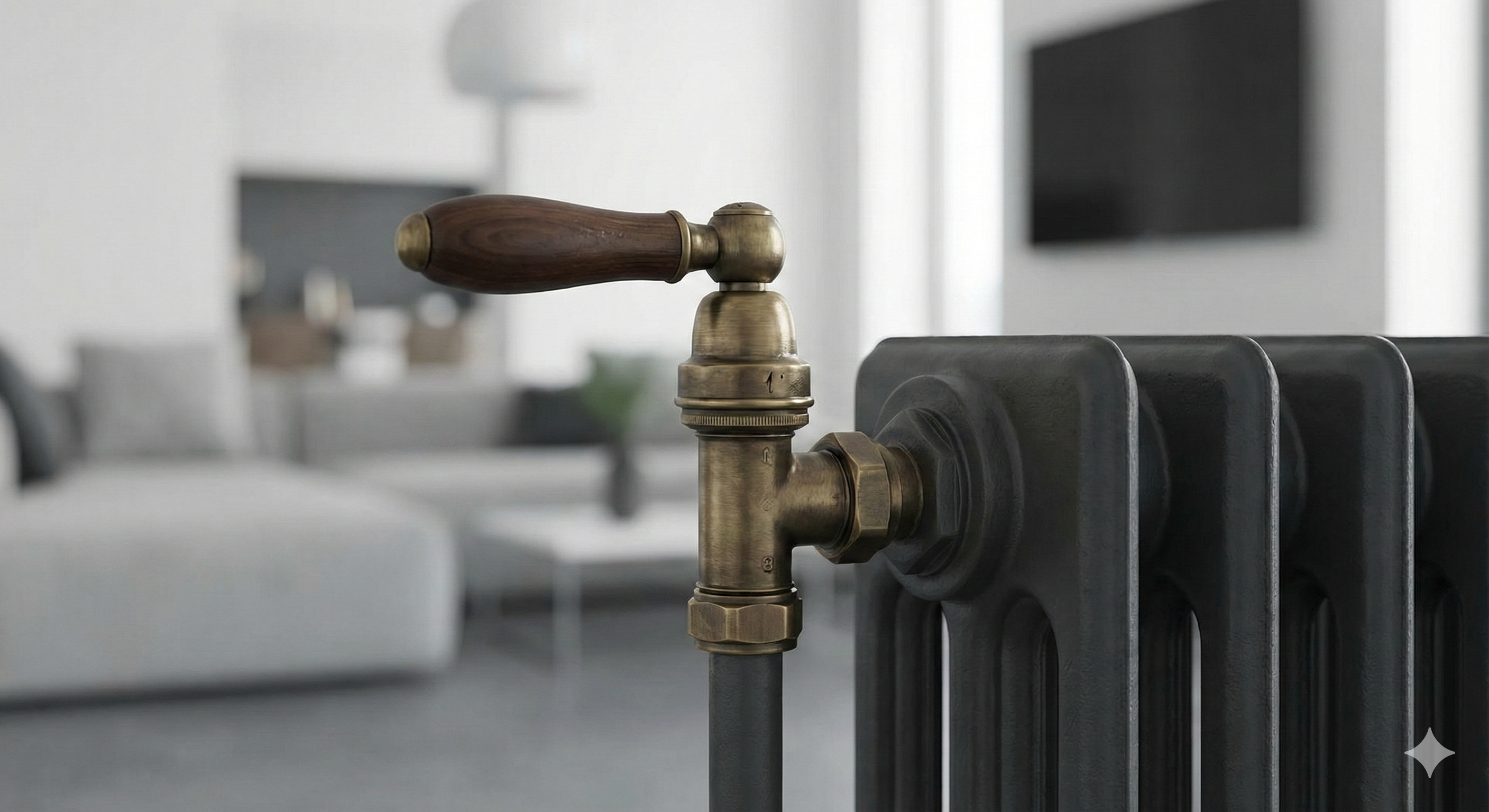
- Styling Tip: Use highly decorative "Windsor" or "Crocus" style TRV valves with wooden handles. These look like antique clockwork mechanisms and add to the sense of luxury.
4. Biophilic Design
Connecting the indoors with the outdoors is a trend that shows no sign of slowing. The goal is to ground the home in nature.
- The Look: Earth tones, natural light, stone, and an abundance of plants.
- The Radiator: Low, long radiators placed under windows work best here, bridging the gap between the thermal comfort of the indoors and the view of the outdoors.
- The Finish: Earthy tones such as Sage Green, Terracotta, or Stone Grey. A "Hand Burnished" finish can also mimic the look of weathered stone or wood grain.
- Styling Tip: Install a radiator shelf (using stone or reclaimed timber) just above the unit. Use this to host heat-tolerant plants like Snake Plants or Succulents, physically integrating the heating element with living greenery.
Technical Sizing: The Delta T Factor
Styling is futile if the room is cold. One of the most critical errors in modern radiator installation is incorrect sizing, particularly when heat pumps are involved. You must calculate your heat output based on the correct Delta T (Δt).
Historically, plumbing calculations assumed a boiler water temperature of 75°C or 80°C. This is known as Delta T 50 (Δt50). However, modern efficient boilers and heat pumps run much cooler, often around 45°C to 50°C. This is Delta T 30 (Δt30).
- The Math: A radiator that outputs 1000 Watts at Δt50 might only output 500 Watts at Δt30.
- The Result: If you simply buy a radiator based on the catalog's standard "Boiler Rating," your room will be freezing. You likely need a radiator that is physically twice as large as the catalog suggests if you are using a heat pump.
- The Styling Win: While this sounds like a headache, it is actually a design opportunity. It forces you to embrace scale. Instead of a small, apologetic radiator, you can install a magnificent, long, low 30-section radiator that runs the entire length of a wall, creating a deliberate architectural "plinth" that grounds the room.
Installation: Respecting the Weight
A cast iron radiator is a structural load. A modest 10-section radiator can weigh over 100kg when empty, and significantly more when filled with water. Styling involves ensuring this beast stays exactly where you put it.
Floor Joists and Feet
If you are installing on a suspended timber floor (common in Victorian homes), you must check the joists. Placing a 150kg load in the middle of a joist span can cause sagging. Ideally, position the radiator feet directly over the joists. If the design dictates otherwise, lift the floorboards and install "noggins" (cross-bracing) to transfer the weight.
The Vital Role of Wall Stays
Cast iron radiators are tall, narrow, and top-heavy. They are prone to tipping if knocked. Wall stays (metal rods that tie the radiator to the wall) are mandatory for safety.
Warning for Modern Walls: If you are fixing into modern plasterboard (drywall) or dot-and-dab walls, a standard rawl plug is dangerous. The heavy radiator can pull the plug straight out of the crumbly plaster. You must use specialist heavy-duty anchors like Corefix (which bridges the gap to the blockwork behind) or GripIt fixings (which deploy wings behind the plasterboard) to ensure a secure hold.
Maintenance: Living with Iron
To keep your radiator functioning as a centerpiece for decades, a little care is required.
- Bleeding: Because of their complex internal shape, cast iron radiators trap air easily, leading to cold spots at the top. Bleed them annually, but keep a dark cloth handy the water inside is often black with magnetite sludge and will stain carpets instantly.
- Inhibitor: Iron rusts. Your heating system must be dosed with a chemical inhibitor (like Fernox or Sentinel) to prevent the radiator from rusting from the inside out.
- Cleaning: For intricate Rococo models, a standard duster won't work. Use a long-handled goat-hair "radiator brush" to clean the dust from the inner columns. Accumulated dust acts as an insulator, actually reducing the heat output of your radiator.
Conclusion: The Anchor of the Home
Incorporating a cast iron radiator into a modern home is an act of design confidence. It creates a space that values longevity over disposability and warmth over sterility. Whether you choose the raw, mechanical honesty of a lacquered column for a loft, or the silent elegance of a colour-drenched unit for a bedroom, the principles remain the same: Respect the weight, calculate the Delta T, and style with intent.
By following these guidelines ensuring structural integrity with proper anchors, maximizing efficiency with correct sizing, and selecting finishes that harmonize with your interior narrative you transform a simple heating appliance into the architectural anchor of your home.