
Victoriana 3 - 645mm Products
Frequently Asked Questions
How does the increased 120mm depth of the Victoriana 3 Column Cast Iron Radiator affect the pipe centre measurements required for roughing in plumbing before installation
The 120mm depth of the Victoriana 3 is significantly deeper than standard radiators. To calculate the technical pipe centres for installation, you must take half of the radiator depth which is 60mm and add the necessary wall clearance which is typically 50mm. This means your pipework should ideally be roughed in at approximately 110mm from the finished wall surface to ensure the cast iron column sits correctly without obstructing the skirting board.
Why does the Victoriana 3 Column Cast Iron Radiator 645mm High provide a higher BTU output per section compared to the 2 column model and how does this benefit larger rooms
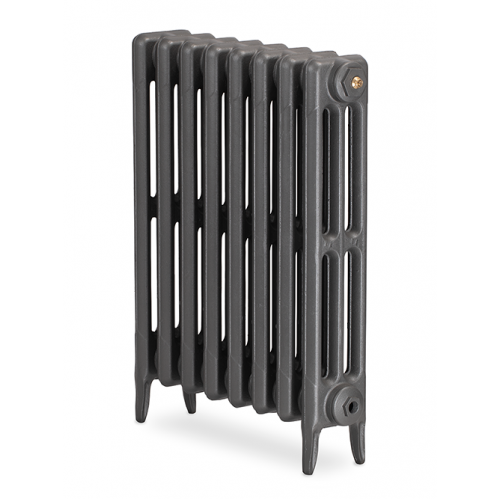
The technical advantage of the 3 column design lies in its increased surface area. By adding a third column of cast iron, the radiator exposes more hot metal to the air, allowing for greater convective heat transfer. This makes the Victoriana 3 ideal for larger rooms with high ceilings where you need maximum heat output, such as 8806 BTUs for the 34 section model, without using up excessive horizontal wall space.
Considering the 34 section model weighs 158kg empty what are the technical requirements for safely maneuvering and installing this heavy cast iron radiator to avoid damage
A weight of 158kg for the 34 section Victoriana 3 is substantial and does not include the water weight. Technical installation requires a minimum of two to three people for lifting to prevent injury or damage to the joining gaskets. It is critical to lift the radiator from the bottom central connecting bush rather than the end legs to avoid stress fractures, and you must ensure the floor structure can support a static load exceeding 200kg once filled.
Can I use the Victoriana 3 Cast Iron Radiator with a low temperature renewable heating system like a ground source heat pump given its Delta T 50C rating
Yes the Victoriana 3 is an excellent technical choice for heat pumps because the 3 column design offers a high surface area. However, because heat pumps run at lower temperatures (Delta T 30C), you must apply a correction factor to the listed Delta T 50C output. You will essentially need to oversize the radiator (choose more sections) to achieve the same room temperature, but the cast iron material is highly effective at radiating this lower grade heat steadily.
What is the specific technical advantage of the 3 column design in the Victoriana 3 range regarding heat retention and thermal mass compared to steel radiators
The Victoriana 3 Cast Iron Radiator has a significantly higher thermal mass than steel equivalents due to the thickness of the iron and the larger volume of water held within the three columns. This allows the radiator to continue emitting heat for a long period after the central heating boiler has turned off, creating a more consistent and comfortable ambient temperature profile in the room rather than the rapid cooling associated with steel.
How do I accurately calculate the total width of a custom assembled Victoriana 3 Cast Iron Radiator if I need to fit it strictly between two existing structural features
The Victoriana 3 is assembled from individual sections that are approximately 60mm to 67mm wide each. To determine the exact total width for a tight alcove installation, you must multiply the number of sections by the section width and then technically add roughly 26mm to the final figure. This additional length accounts for the reduction bushes and leg ends that protrude slightly from the main cast iron body.
Is it technically possible to convert the Primer Black finish of the Victoriana 3 Cast Iron Radiator into a custom color on site or should I order the Factory Painted option for durability
The Primer Black option is merely a transit coating to prevent rust during shipping and is not a sealed finish. If you choose this, you must technically sand, prime, and paint the radiator on site using heat resistant metal paint to prevent oxidation. For a maintenance free solution, the Factory Painted or Heritage Metallic Finishes are professionally sprayed and baked, offering a durable bond that resists chipping and peeling much better than a manual DIY application.
What type of radiator valves are technically compatible with the side connections of the Victoriana 3 Column Radiator when piping comes directly from the floor
Since the Victoriana 3 has side connections (Left and Right) and a substantial depth of 120mm, the most technically appropriate valves for floor pipes are Angled Radiator Valves. These allow the valve head to sit neatly at the side while the connection turns 90 degrees down to the floor. Straight valves would technically require the pipes to run along the wall, which is less common for this freestanding style.
Does the 10 Year Guarantee cover the joining gaskets of the Victoriana 3 Cast Iron Radiator if they degrade due to the use of acidic water treatments or softeners
The 10 Year Guarantee covers manufacturing defects in the cast iron and assembly. However, it technically excludes damage caused by improper water treatment. Using water softeners or failing to maintain a neutral pH balance in the system can degrade the fibre or rubber gaskets between the columns. Therefore, it is mandatory to use a suitable corrosion inhibitor to protect the seals and maintain the warranty validity.
Why is bleeding air from the Victoriana 3 Column Cast Iron Radiator critical for maintaining the efficiency of the 2849 BTU output in the 11 section model
Air pockets naturally rise to the highest point of the system which is often the top of a tall radiator like the 645mm high Victoriana 3. If air is trapped in the top rail, it prevents hot water from circulating through the upper part of the three columns. This technically reduces the active surface area available for heat transfer, significantly dropping the output below the rated 2849 BTUs and causing the room to feel cold.