
The Coredo Products
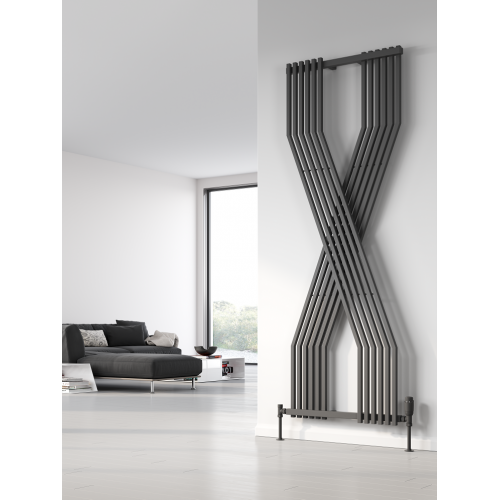
Showing 1 to 2 of 2 (1 Pages)
Frequently Asked Questions
What are the specific material composition and manufacturing standards of the Coredo Towel Radiator range regarding durability and heat retention?
The Coredo is made from high quality mild steel which is very strong and holds heat well. It is tested to high standards to ensure there are no leaks. This material heats up quickly and keeps your towels warm for a long time.
2. How does the Dual Fuel configuration technically operate to integrate both the central heating hydraulic system and the electric heating element?
Dual Fuel means the radiator has two ways to work. It connects to your boiler pipes like a normal radiator. It also has an electric rod inside. You can switch between using hot water from the boiler in winter and electricity from the wall in summer.
3. What is the technical function of the T-Piece fitting during the installation of a Dual Fuel Coredo radiator and why is it essential for operation?
The T-Piece is a metal connector shaped like a T. It is essential because it allows the electric heater and the water pipe to enter the radiator through the same hole. Without it you would not have enough holes to connect both power sources.
4. regarding thermal output efficiency how does the emissivity rating of the Chrome finish compare to the Anthracite or White painted finishes on the Coredo model?
Chrome finishes look shiny because they act like a mirror but this traps some heat inside. Painted finishes like Anthracite or White let more heat escape into the room. If you need maximum heat the painted versions are the technically stronger choice.
5. What is the correct procedure for calculating the British Thermal Unit or BTU requirement to ensure the Coredo radiator effectively heats a specific bathroom volume?
You need to measure the height width and length of your room in meters. Put these numbers into an online BTU calculator. This gives you a number that tells you how much heat you need. Choose a Coredo model with a BTU number that matches or is slightly higher than your result.
6. Why is it necessary to perform hydraulic isolation on the flow and return valves when operating the Coredo in electric mode during the summer months?
You must close the water valves when using the electric mode. If you do not close them the heat from the electric rod will escape down the pipes and try to heat your whole house. Closing the valves keeps the heat inside the radiator where you need it.
7. What are the Ingress Protection or IP Rating requirements for the electric heating element when installing the Coredo in a Zone 1 or Zone 2 bathroom environment?
The IP Rating tells you how safe the electric part is around water. For bathrooms you need a rating that protects against splashes. Ensure your electrician checks the zone but usually an IP64 or higher rating is safe for areas near the bath or shower.
8. How does the phenomenon of air locks occur within the vertical ladder rails of the Coredo and what is the technical process for resolving this thermodynamic issue?
Air locks happen when bubbles get trapped at the top of the radiator. Air cannot conduct heat so the top stays cold. To fix this get a radiator key and open the bleed valve at the top slightly until water comes out then close it tight.
9. What is the technical compatibility of the Coredo Towel Radiator with Thermostatic Radiator Valves or TRVs for automated temperature regulation?
The Coredo works perfectly with TRVs. These are smart valves that sense the room air temperature. They automatically reduce the flow of hot water into the radiator when the room is warm enough which saves you energy and money.
10. Regarding electrical safety compliance what type of fused connection unit is required for the hardwired installation of the Coredo heating element?
You need a Fused Spur outlet. This is a box on the wall that has a fuse inside to prevent electrical surges. It must be installed by a qualified electrician to ensure it meets UK building regulations and keeps your home safe.
11. Can the Coredo radiator be installed on a open vented hot water system or is it strictly limited to sealed pressurised combi boiler systems?
The Coredo is versatile and works on both systems. Whether you have an old tank in the loft or a modern combi boiler in the kitchen this radiator can handle the pressure and will work correctly.
12. What is the appropriate wattage rating for the electric element relative to the thermal capacity of the specific Coredo radiator size to prevent overheating?
You must match the power of the element to the size of the radiator. A small radiator needs a low power element like 150 Watts. A big radiator needs more power like 600 Watts. Always check the manual to buy the exact size recommended so it does not get too hot.
13. How does the axial distance between the pipe centers affect the roughing in process for the plumbing installation of the Coredo ladder rail?
Pipe centers are the measurement between the two pipe holes. You need to know this exact distance before you drill holes in your tiles. If you get this wrong the pipes will not line up with the radiator and you will have a difficult installation problem.
14. What are the technical implications of installing the Coredo radiator in an inverted orientation regarding the internal flow dynamics and element position?
You cannot install it upside down. Radiators rely on hot water rising naturally. Also the electric element must be at the bottom to heat the liquid effectively. If you flip it the system fails to circulate heat and the element may burn out.
15. What chemical agents should be avoided during the maintenance of the surface finish to prevent corrosion or degradation of the Coredo plating?
You should avoid acidic cleaners bleach or harsh scrubbing brushes. These damage the protective layer on the metal. To clean it safely just use a soft cloth with warm water and a little bit of mild soap.
16. Does the Coredo Towel Radiator come pre filled with a thermodynamic fluid or glycol solution when purchased for a standard central heating installation?
No it comes empty. For central heating it fills with water from your boiler system automatically. You only need to buy special liquid if you are using it as an electric only radiator without any pipes.
17. What is the maximum operating pressure rating for the Coredo range and how does this relate to high pressure domestic heating systems?
The Coredo is tested to withstand high pressure usually up to 10 bar. Most home boiler systems only run at 1 to 2 bar. This means the radiator is very strong and can easily handle the pressure in your home without bursting or leaking.
18. How does the accumulation of magnetite or sludge in the central heating circuit affect the thermal performance of the bottom rails of the Coredo?
Sludge is dirty black rust that sinks to the bottom of radiators. It blocks the hot water from flowing into the bottom bars making them cold. You can fix this by flushing the system or adding a chemical inhibitor to stop the rust forming.
19. What specific warranty terms covers the Coredo against manufacturing defects such as weld failures or pinhole leaks over the long term?
The Coredo has a 10 Year Guarantee. This covers you if the metal rusts through or if a weld breaks naturally. It does not cover damage if you hit it or if you use the wrong chemicals to clean it.
20. Regarding structural integrity what wall loading capacity is required for the fixation brackets when the Coredo is fully filled with water and towels?
When full of water and wet towels the radiator is heavy. You must ensure the wall brackets are screwed into solid brick or wooden studs. Do not screw them only into plasterboard as it might pull away from the wall and fall.