
The Fiore Products
Showing 1 to 3 of 3 (1 Pages)
Frequently Asked Questions
What is the heat output difference between the Fiore vertical radiator and standard panel radiators?
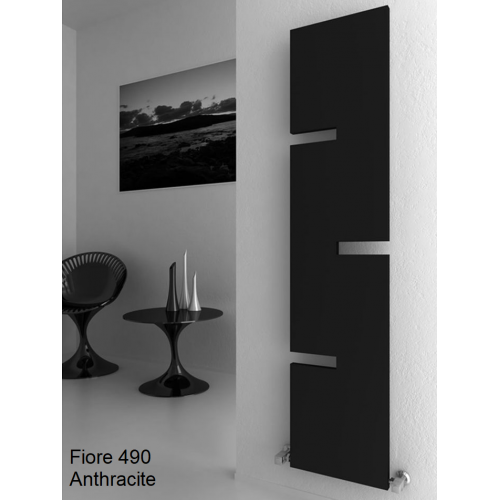
The Fiore vertical radiator is designed with a zig zag profile that significantly increases its surface area compared to flat panel radiators. This larger surface area allows the mild steel body to radiate heat more efficiently into the room. For example the 590mm wide model delivers approximately 3747 BTU which rivals many double panel standard radiators. This means you get a high heat output suitable for large living spaces without needing a bulky unit that takes up all your wall space.
Why is mild steel the preferred material for the Fiore designer radiator range?
We use high quality mild steel for the Fiore range because it is an excellent conductor of heat. Mild steel heats up very quickly when your central heating turns on which ensures your room reaches the desired temperature faster. It is also extremely durable and resistant to impact which makes it perfect for busy family homes. Unlike aluminium which cools down instantly mild steel retains warmth for a longer period after you switch off your heating which keeps your space comfortable for less energy.
How do I calculate the correct BTU requirement for my room before buying a Fiore radiator?
To ensure your room stays warm you must calculate the British Thermal Unit or BTU requirement. You need to measure your room height width and length in metres. You also need to consider heat loss factors like the number of windows and if the walls are external brick or internal plasterboard. You can use our online BTU calculator to get the exact number. Always choose a Fiore radiator model that meets or slightly exceeds this number to ensure your boiler runs efficiently without overworking.
Does the Fiore vertical radiator come with the necessary wall brackets and fixings?
Yes every Fiore vertical designer radiator includes a complete fixing kit. This kit contains heavy duty wall brackets that are specifically designed to support the weight of the radiator when full of water. It also includes an air vent for bleeding trapped air and a blanking plug. However you will need to ensure you have the correct wall plugs for your specific wall type such as plasterboard or solid brick to ensure a safe and secure installation.
What specific type of radiator valves do I need for a vertical installation?
The type of valves you need depends entirely on where your central heating pipes are located. If your pipes come up from the floor you will need Angled Valves to connect to the side inlets of the Fiore. If your pipes come out of the wall you should use Corner Valves for a neat finish where the valve heads do not protrude into the room. We recommend using Thermostatic Radiator Valves or TRVs to control the temperature of the Fiore individually and save on energy costs.
Can I install the Fiore radiator on a stud partition wall or does it need solid masonry?
Vertical radiators like the Fiore can be heavy especially when filled with water. While solid masonry walls are ideal you can install them on stud partition walls if you reinforce the wall first. You must locate the wooden studs behind the plasterboard and anchor the brackets directly into this timber. If the studs do not align with the bracket positions your installer should add a wooden noggin or support batten inside the wall to hold the weight safely.
How does the zig zag design of the Fiore improve air circulation in the room?
The unique zig zag or wave design of the Fiore creates vertical channels that aid the natural process of convection. As the air touches the hot steel surface it rises quickly through these curves and pulls cooler air up from the floor. This creates a continuous cycle of warm air movement throughout the room. This convection method is often more effective at eliminating cold spots in high ceiling rooms compared to standard horizontal radiators that trap heat near the floor.
What is the best way to clean dust from the curves of the Fiore radiator?
Cleaning the Fiore is simple despite its intricate shape. We recommend using a long flexible radiator brush to reach between the zig zag curves where dust settles. A popular trick is to place a damp towel underneath the radiator and use a hairdryer to blow air down from the top. This forces the dust out from the back of the curves onto the towel. Regular cleaning ensures the steel surface radiates heat effectively without being blocked by a layer of insulating dust.
Why is it important to add a central heating inhibitor when installing this radiator?
When you install a new Fiore radiator you introduce fresh water into your heating system which contains oxygen. This oxygen can react with the mild steel to create rust and sludge inside the radiator. To prevent this you must add a chemical central heating inhibitor fluid to the system water. This creates a protective barrier inside the radiator tubes that stops corrosion prevents pinhole leaks and ensures your 5 year manufacturer guarantee remains valid.
Is the Anthracite finish on the Fiore range powder coated or painted?
The Anthracite finish on the Fiore range is applied using a high quality powder coating process. Powder coating involves applying a dry powder to the steel which is then cured under heat to form a skin. This is far superior to standard wet paint because it is more resistant to chips scratches and fading from heat over time. This ensures your designer radiator looks brand new for years even in high traffic areas like hallways.
How do I fix a Fiore radiator that is hot at the bottom but cold at the top?
If your Fiore radiator is cold at the top it usually means air is trapped inside the vertical tubes. Air rises and collects at the highest point which stops hot water from filling the top section. To fix this you need to use a radiator key to open the bleed valve located at the top of the unit. Turn it slightly until you hear a hissing sound of escaping air. Once water starts to trickle out close the valve immediately. This will allow hot water to fill the entire radiator.
What are pipe centres and why are they important for installation?
Pipe centres refer to the distance between the two pipe inlets on your radiator. For the Fiore the pipe centres are the width of the radiator plus the width of the valves usually an extra 80mm to 90mm. Your plumber needs this measurement to set up the copper pipes in the floor or wall before hanging the radiator. If these measurements are wrong you may need to use adjustable tails or alter the pipework which can be costly and messy.
Can the Fiore radiator be used with a dual fuel heating element?
The Fiore is primarily designed as a central heating radiator connected to your boiler. However some vertical models can be converted to dual fuel with the correct T piece and electric heating element. This allows you to heat the radiator using electricity in the summer when the main boiler is off. You must check with a qualified electrician to ensure the element wattage matches the thermal output of the radiator size you have chosen to prevent overheating.
What does BS EN 442 compliance mean for the Fiore radiator?
BS EN 442 is the European Standard for radiator testing. It guarantees that the heat output or BTU rating we advertise has been verified in a controlled laboratory environment with a specific water temperature of 75 degrees Celsius. Buying an EN 442 compliant product like the Fiore ensures you are getting the exact performance stated on our website. This protects you from buying inferior radiators that claim high heat outputs but fail to warm your room in reality.
How much vertical wall space do I need to leave above and below the radiator?
For the Fiore to work efficiently you must leave a gap of at least 100mm to 150mm between the bottom of the radiator and the floor. This gap allows cold air to be drawn into the bottom of the zig zag convection channels. You should also leave similar space at the top to allow the warm air to escape freely. Blocking these gaps with shelves or installing it too close to the floor will reduce the heat output and make the room feel colder.
Why does my radiator make a clicking or ticking sound when heating up?
A clicking sound is often caused by the mild steel metal expanding as it heats up or contracting as it cools down. This is normal for metal radiators. However if the noise is loud or persistent it might mean the radiator is too tight against the wall brackets or the plastic buffers on the brackets are missing. Ensuring the radiator is seated correctly on the brackets usually stops the noise. It can also be caused by pipes rubbing against floorboards which requires pipe collars to fix.
Will the White finish yellow over time due to heat exposure?
No the White finish on the Fiore radiator is resistant to yellowing. We use a high grade epoxy polyester powder coating that is UV stable and heat resistant. Cheaper radiators often use low quality paint that discolours when exposed to high temperatures constantly. Our manufacturing process ensures that the crisp white colour remains bright and clean matching your modern interior decor for the lifetime of the product.
How do Thermostatic Radiator Valves TRVs help save money?
TRVs contain a sensor that detects the air temperature in the room. If you set the TRV to level 3 it will shut off the flow of hot water to the Fiore radiator once the room reaches roughly 20 degrees Celsius. This stops the boiler from heating a room that is already warm enough. By installing TRVs on your Fiore radiators you can control different zones of your house separately which prevents energy waste and can lower your heating bills significantly.
What is the water content of the Fiore radiator and why does it matter?
The water content refers to how many litres of water the radiator holds. The Fiore holds a moderate amount of water which strikes a balance between rapid heat up times and heat retention. A lower water content means your boiler has to work less to heat the water which improves system efficiency. This low thermal mass design makes the Fiore responsive to thermostat changes so your home does not overheat or take hours to warm up.
Can I install the Fiore radiator horizontally if I have wide wall space?
No the Fiore range is strictly designed for vertical installation. The internal baffles which guide the water flow are positioned to work against gravity in a vertical orientation. If you install it horizontally the water will not flow correctly through all the zig zag tubes leading to cold sections and poor performance. You must always install the radiator in the orientation specified to ensure the air vents and water flow work as engineered.