
Aluminium vs. Mild Steel: 2026 Radiator Trends for Modern Workspaces
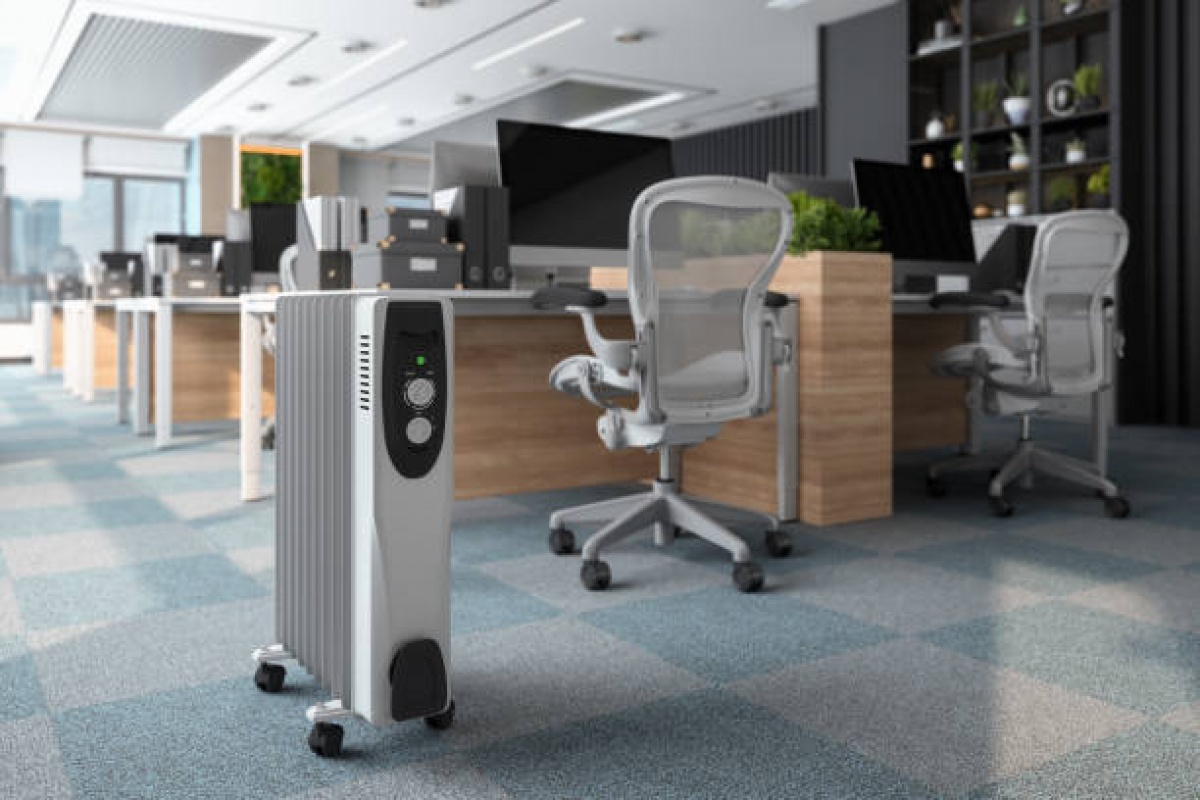
The Definitive Guide to Commercial Heating Efficiency, Sustainability, and Design
In 2026, the office environment has evolved into a strategic asset for recruitment, retention, and operational excellence. As businesses navigate hybrid work models and rising energy costs, the heating infrastructure has become critical. Selecting the best radiator for offices now intersects thermal physics, architectural design, and financial planning. This guide delivers a comprehensive analysis of aluminium radiators versus mild steel, explores electric radiators, and provides expert guidance on BTU calculation for open-plan offices.
The Modern Office Revolution
Today's workspaces are "Agile Hubs," dramatically different from traditional 9-to-5 environments. The hybrid workplace creates unpredictable heat loads a conference room empty on Tuesday might host thirty people on Wednesday. This volatility demands heating systems with real-time responsiveness. Traditional mild steel systems, with their slow thermal response, often create "ghost heating" warming empty rooms hours before or after use, wasting precious energy.
The challenge intensifies when considering that modern offices operate on flexible schedules. Some teams arrive at 7 AM, others at 11 AM. Conference rooms might see sporadic use throughout the day, while hot-desking zones experience constant turnover. This dynamic environment requires heating infrastructure that adapts instantaneously to changing occupancy patterns, something impossible with conventional radiator technology designed for predictable residential environments.
Sustainability is no longer optional. Net-zero targets have become mandatory for businesses. For companies managing properties or advising clients through platforms like budget radiators demonstrating a low carbon footprint provides competitive advantage. Commercial heating efficiency has emerged as a primary KPI for facility managers nationwide.
Corporate sustainability reports now require detailed energy consumption breakdowns. Investors scrutinize ESG (Environmental, Social, Governance) metrics, and commercial tenants actively seek buildings with superior energy ratings. The radiator system once an invisible piece of infrastructure now contributes directly to a building's marketability and valuation. Property managers report that buildings with modern, efficient heating systems command rental premiums of 8-12% compared to those with outdated infrastructure.
Aluminium Radiators: The 2026 Gold Standard
Aluminium has evolved from premium alternative to primary choice for modern office retrofits. Its physical properties make it uniquely suited to 2026's energy market demands.
Thermal Superconductivity
Aluminium functions as a thermal "superconductor" compared to steel, with thermal conductivity roughly five times higher than mild steel. This creates the "Instant On" effect crucial in commercial settings where time equals money. If a meeting starts at 10:00 AM, an aluminium system triggered at 9:45 AM achieves full output by the first arrival. This shortened ramp-up time means boilers or heat pumps run fewer cycles, dramatically reducing cumulative energy consumption.
In practical terms, this translates to significant operational advantages. Consider a typical office with eight conference rooms. Using traditional steel radiators, facility managers must begin heating rooms 90-120 minutes before scheduled meetings to ensure comfort. With aluminium office radiators, that window shrinks to 15-30 minutes. Over a month, this represents dozens of hours of unnecessary heating eliminated directly impacting the bottom line.
The responsiveness also enables "predictive heating" strategies. Modern BMS (Building Management Systems) can integrate with calendar software. When a meeting gets canceled, the system immediately stops heating that specific zone. When meetings run over, the system extends heat delivery. This level of precision was technically impossible with slower-responding steel systems.
Low Water Content Radiators Innovation
The most significant engineering trend of 2026 is low water content radiators (LWC). Traditional steel radiators function as large water reservoirs, requiring massive energy just to heat the "dead weight" water before radiating warmth. Aluminium radiators feature intricate internal fins maximizing surface area while requiring minimal water volume.
A conventional steel panel radiator might contain 8-12 liters of water per meter length. An equivalent aluminium low water content radiator contains just 1.5-2.5 liters. This 75-80% reduction in water volume creates cascading efficiency benefits throughout the entire heating system.
Benefits include extended boiler longevity less water means reduced weight and pump strain and precision response. With minimal thermal mass, these radiators cool as rapidly as they heat, preventing "temperature overshoot" where offices become uncomfortably hot because radiators continue releasing heat after thermostats reach target temperatures.
The reduced water content also minimizes thermal lag the delay between when the boiler fires and when occupants feel warmth. In traditional systems, this lag can extend 30-45 minutes. With low water content radiators, it drops to 8-12 minutes. For businesses operating on tight schedules, this difference transforms user experience and perception of building quality.
Mild Steel: The Strategic Workhorse
While aluminium leads trends, mild steel remains relevant for specific high-traffic or high-volume scenarios.
Thermal Inertia for Baseline Heat
In poorly insulated buildings such as Victorian warehouse conversions steel's slow-release nature becomes advantageous. Steel provides thermal storage, smoothing temperature fluctuations. For offices requiring constant 24/7 baseline temperatures (those housing sensitive laboratory equipment or specialized storage), steel's thermal inertia delivers steady heat distribution.
Durability in High-Impact Zones
Offices are demanding environments. Mailrooms, loading bays, and busy corridors endure physical impacts. Mild steel's superior density provides greater impact resistance than aluminium. In 2026, "Hybrid Material" specifications are common aluminium office radiators for main floors, steel reserved for back-of-house areas requiring robust durability.
Electric Radiators: The Off-Grid Revolution
Smart electric units represent the fastest-growing segment in the best radiator for offices category. By 2026, electric radiators have overcome their reputation as expensive, inefficient plug-in heaters.
Why Businesses Choose Electric
Retrofit Simplicity: In heritage buildings or rented coworking spaces, extending wet heating systems (pipes and boilers) is often impossible or cost-prohibitive. Electric units require only standard power connections.
100% Efficiency: Every electricity watt converts directly to heat. Paired with green energy tariffs or on-site solar, these become carbon-neutral solutions.
Micro-Zoning Capability: Electric radiators enable precise "Micro-Zoning" heating a fourth-floor Focus Room at midnight without engaging the entire building's central boiler.
Advanced 2026 Technology
Modern electric units utilize ceramic cores or dry stone elements to retain heat, replicating wet system comfort without leak risks. Integrated Wi-Fi enables facility managers to monitor individual radiator energy usage across multiple sites from single dashboards, optimizing hybrid office heating solutions in real-time.
BTU Calculation for Open-Plan Offices: A Technical Masterclass
Incorrect sizing is the primary cause of commercial property energy waste. Most online calculators target domestic bedrooms, not forty-person open-plan suites.
The Cubic Volume Rule
Offices require heating the air, not just the floor. The essential calculation: Length × Width × Height = Total Volume. Consider the Delta T Factor—the difference between desired indoor temperature and average winter outdoor temperature. In the UK, we typically target a Delta T of 50°C.
For example, a 15m × 10m open-plan office with 3m ceilings contains 450 cubic meters of air. Using the standard heating formula (Volume × Delta T × Thermal Constant), we can calculate precise BTU requirements. However, this baseline figure represents only the starting point real-world conditions require significant adjustments.
Critical Factors Affecting 2026 BTU Load
The Human Heater: Average office workers at desks emit approximately 100-120 Watts (340-400 BTUs). In dense call centers, this "human load" can account for 20% of required heat.
This becomes especially relevant in modern hot-desking environments. A space designed for twenty-five workstations might actually accommodate thirty-five people during peak periods. Each additional person not only generates heat but also impacts air quality, requiring increased ventilation that in turn increases heat loss. Smart BTU calculation for open-plan offices must factor in maximum occupancy scenarios, not just average counts.
The Glazing Penalty: Modern offices favor glass extensively. However, even high-specification double glazing loses heat faster than brick walls. Increase BTU requirements by 10% for every significant glass partition.
Floor-to-ceiling glass facades common in premium office buildings create particularly challenging heat loss scenarios. While aesthetically impressive, a glass wall with U-value 1.2 W/m²K loses heat three times faster than a well-insulated solid wall. A corner office with two glass walls might require 40-50% more heating capacity than an interior office of identical dimensions.
Server Room Overlap: Offices with internal server racks generate waste heat that can be redirected or factored into adjacent zone calculations, reducing radiator requirements.
Modern data centers within offices can generate 10-15kW of waste heat continuously. Strategic HVAC design captures this heat during winter months, redistributing it to adjacent zones. Some 2026 installations use heat recovery systems that extract server room heat and pre-warm incoming fresh air, creating a closed-loop efficiency system that dramatically reduces overall heating demands.
Hybrid Office Heating Solutions
The most efficient 2026 buildings don't rely on single technologies they integrate hybrid systems.
Heat Pumps and Aluminium Synergy
Air Source Heat Pumps (ASHPs) represent commercial HVAC's future but provide lower flow temperatures than gas boilers. The solution: aluminium's exceptional conductivity delivers sufficient warmth even when heat pump water temperatures reach only 45°C. Steel radiators would require double the size for equivalent warmth at these low temperatures.
Smart Building Management Integration
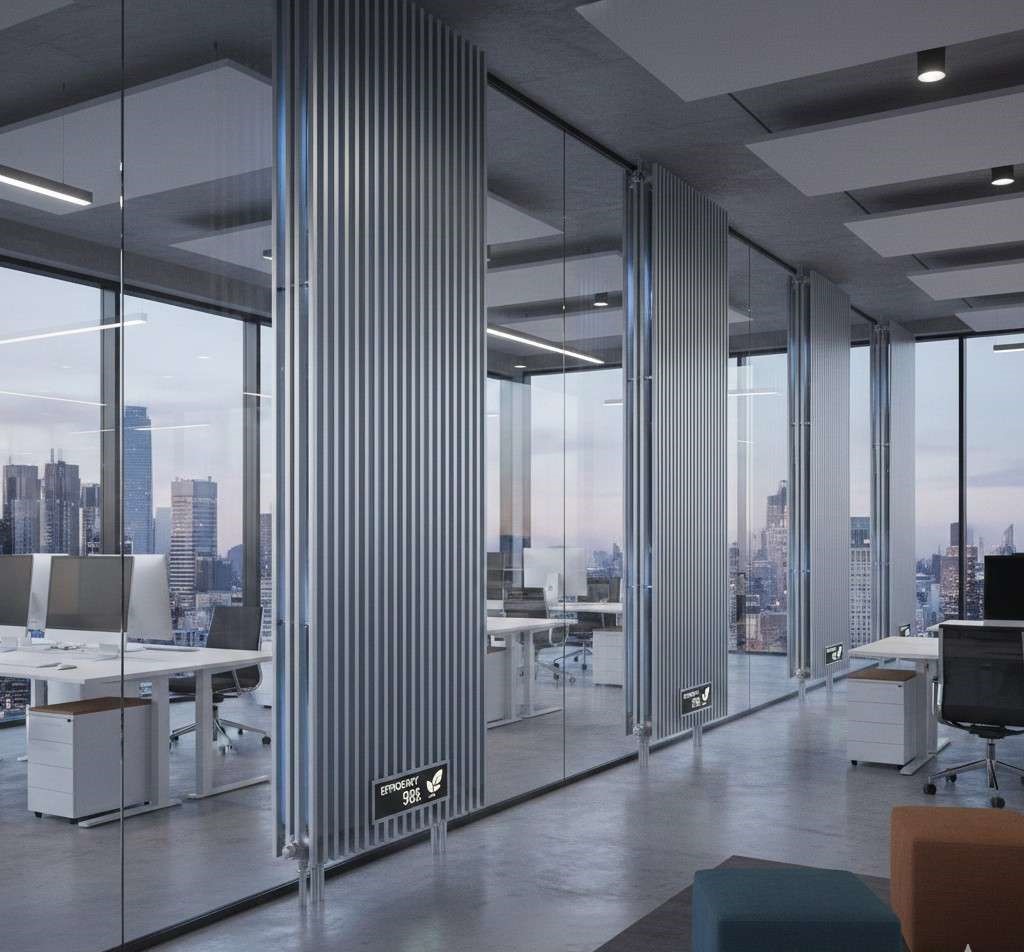
Hybrid systems use occupancy sensors if sensors detect no movement in meeting rooms for twenty minutes, BMS throttles flow to specific radiators. This granularity distinguishes modern 2026 offices from legacy workspaces, maximizing commercial heating efficiency.
Design Trends: Anthracite and Industrial Aesthetics
Design influences employee satisfaction silently but significantly. Workers prefer professional, modern environments.
The Anthracite Dominance
Anthracite (dark grey/charcoal) has become the definitive finish for the best radiator for offices. Its durability masks dust and fingerprints essential where cleanliness reflects brand image. In large open-plan rooms, anthracite radiators function as architectural anchors, grounding designs against white walls and glass.
Vertical Radiators and Space Optimization
With rising rent costs, every wall inch holds value. Vertical radiators fit narrow "dead zones" between windows or behind doors, freeing horizontal wall space for desks, storage, or collaborative whiteboards critical in modern workspace planning.
Maintenance, Longevity, and ROI
For businesses, radiators represent 15-to-20-year investments requiring strategic evaluation.
System Integrity
In large-scale commercial systems, mixed metals in pipes can cause galvanic corrosion. The 2026 standard mandates magnetic filters and high-quality chemical inhibitors. High-quality aluminium radiators feature internal coatings preventing hydrogen gas build-up that plagued older systems.
Investment Returns
Initial Cost: Aluminium and electric units generally cost 20-30% more than basic steel.
Operational Savings: Through enhanced commercial heating efficiency, average offices achieve 15-25% reductions in annual energy bills.
Payback Period: Most commercial retrofits reach full ROI within 3-5 years while simultaneously improving property EPC (Energy Performance Certificate) ratings directly increasing building lease values.
Conclusion: Setting the 2026 Standard
The optimal radiator balances immediate heating needs with long-term sustainability goals. In 2026, evidence clearly favors aluminium office radiators for responsiveness and low water content radiators for exceptional efficiency. For smaller zones and flexible layouts, electric radiators provide ultimate modular solutions.
By mastering BTU calculation for open-plan offices and embracing hybrid office heating solutions, businesses create environments that aren't merely warm they're optimized for the future of work.
Practical Implementation Strategy
For facility managers approaching radiator upgrades in 2026, phased implementation delivers optimal results. Begin with high-visibility zones reception areas, main conference rooms, and primary work floors. These spaces benefit most from aluminium's rapid response and aesthetic appeal. Deploy mild steel strategically in 24/7 baseline zones and high-impact areas where durability outweighs responsiveness.
Electric radiators excel in expansion zones or spaces where wet system extension proves impractical. Their installation simplicity makes them ideal for testing workspace configurations before committing to permanent infrastructure.
The Business Case Beyond Energy
While energy savings provide compelling justification, the broader case extends further. Modern best radiator for offices installations improve employee comfort factors directly linked to productivity and retention. Studies indicate optimal thermal comfort can improve cognitive performance by 8-12% and reduce sick leave.
Buildings with superior heating systems attract premium tenants. Properties demonstrating advanced commercial heating efficiency command higher rents and experience shorter vacancy periods.
Looking Forward
As heat pump technology matures and electricity grids decarbonize, advantages of aluminium office radiators and low water content radiators will intensify. Buildings installing these systems today position themselves advantageously for the next decade. Companies that understand these nuances will lead in creating workspaces that attract talent, reduce expenses, and meet sustainability targets.
The radiator selection in 2026 represents more than choosing a heating appliance it's an investment in operational excellence, employee wellbeing, and environmental stewardship. For businesses committed to future-proofing their infrastructure, the path forward is clear.