
Balmoral Manual Valve Range Products
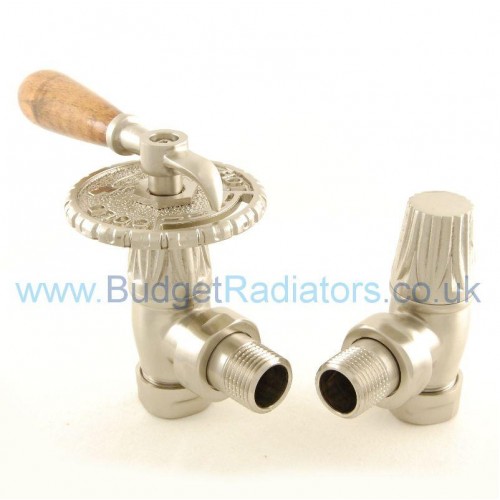
Showing 1 to 1 of 1 (1 Pages)
Frequently Asked Questions
How do I technically verify if the Balmoral Manual Valve Range is compatible with my existing cast iron radiator connections?
To ensure technical compatibility, you must identify the thread size of your radiator inlets. The Balmoral Manual Valve Range is primarily available in the standard 1/2 inch BSP size, which fits 99 percent of modern and reproduction cast iron radiators. However, some genuine antique radiators may require the larger 3/4 inch specification. You should measure the internal diameter of the radiator bush; if it measures approximately 20mm, the standard 1/2 inch Balmoral valve is the correct choice. If it is significantly larger, you may need the 3/4 inch version or a specialized bush adapter to reduce the size down to fit these solid brass valves.
What is the specific operational difference between Balmoral Manual Radiator Valves and modern thermostatic valves in terms of temperature control?
Unlike thermostatic valves which contain a liquid or wax sensor to automatically shut off water flow when a room reaches a set temperature, Balmoral Manual Valves function like a traditional tap. They provide a fixed flow rate that remains constant regardless of the room temperature. This makes them the technically superior solution for rooms where you want constant heat, such as bathrooms where you need towels to dry, or in rooms containing the main wall thermostat to prevent the two control systems from conflicting and shutting down the boiler prematurely.
How does the solid brass construction of the Balmoral Valve Set technically contribute to the longevity and performance of the heating system?
The Balmoral range is manufactured from high quality solid brass which offers superior technical resilience compared to cheaper zinc alloy alternatives. Brass is naturally resistant to dezincification and corrosion caused by the chemical additives and water pH levels within a central heating system. This material strength allows the valves to withstand a maximum working pressure of 10 bar and temperatures up to 120 degrees Celsius, ensuring they will not crack or fail under the thermal stress of repeated heating and cooling cycles over the 10 year guarantee period.
What is the correct technical procedure for installing Balmoral Traditional Manual Valves to ensure a watertight seal on older pipework?
When installing these valves onto existing copper pipework, it is critical to ensure the pipe is cut square and is free from paint or burrs that could damage the compression olive. For the threaded tail that enters the radiator, you must use a sufficient amount of PTFE tape or a high quality anaerobic pipe sealant. Wrap the tape clockwise around the thread to prevent it from unwinding as you tighten the tail into the radiator. This fills the microscopic imperfections in the thread, creating a hermetic seal that prevents water leaks even under high system pressure.
Why is the Balmoral Lever Manual Valve specifically recommended for use with traditional period style column radiators?
Technically and aesthetically, the Balmoral Lever Valve is designed to complement the larger water volume and physical bulk of traditional column radiators. The lever design provides excellent leverage, making it easier to turn the valve on or off compared to small wheel heads, which is beneficial for valves that may not be adjusted frequently. Furthermore, the internal flow channels of the Balmoral range are designed to allow a smooth, unrestricted flow of water, which is essential for filling the large internal volume of cast iron radiators efficiently without creating flow noise or turbulence.
How do I properly maintain the Satin Nickel or Chrome finish on my Balmoral valves to prevent surface corrosion over the 10 year guarantee period?
To preserve the technical integrity of the electroplated or lacquered finish on your Balmoral valves, you must strictly avoid the use of abrasive chemical cleaners, bleach, or acidic bathroom sprays. These substances can chemically attack the protective lacquer, leading to oxidation and pitting of the brass underneath. The correct problem solving maintenance approach is to wipe the valves down using only a soft microfibre cloth dampened with warm water. This removes dust and condensation without compromising the surface coating that protects the valve body.
How do I solve the problem of selecting the correct Angled or Straight configuration for my Balmoral valve installation?
The choice between Angled and Straight valves is determined by the physical layout of your heating pipes relative to the radiator connections. You should use an Angled Balmoral valve if your heating pipes come up from the floor and connect to the side of the radiator. Conversely, you must choose a Straight Balmoral valve if your pipes run along the skirting board and connect directly into the side, or if the pipes come up from the floor and the radiator has underneath connections. Incorrect selection will result in physically impossible pipe connections or untidy pipework that stresses the valve joints.
What should I do if my Balmoral Manual Valve becomes stiff to operate after a long period of inactivity?
If the lever or wheel head becomes difficult to turn, it is usually because the internal spindle O-rings have dried out or seized slightly due to lack of movement. Do not force the lever as this could snap the component. The technical solution is to slightly loosen the gland nut found under the handle (if accessible) to relieve pressure on the packing, and apply a small amount of silicone grease to the spindle shaft. Gently working the valve back and forth will re-lubricate the internal seals and restore smooth manual operation without needing to drain the system.
In what technical scenario is a manual valve like the Balmoral preferred over a thermostatic valve for system balancing?
Every radiator installation requires two valves, and the Balmoral Manual Valve set typically includes one wheel or lever head for the flow and one lockshield for the return. The manual lockshield is essential for system balancing. By removing the protective cap and adjusting the internal spindle, you can restrict the flow of water leaving the radiator. This technical adjustment increases resistance, forcing more hot water to travel to distant radiators in the house, ensuring that the entire system heats up evenly rather than just the radiators closest to the boiler pump.
Can the Balmoral Manual Valve Range technically handle the high pressure requirements of a modern pressurized central heating system?
Yes, despite their traditional appearance, Balmoral valves are engineered to modern technical standards. They are rated for a maximum working pressure of 10 bar, which far exceeds the standard operating pressure of residential combi boiler systems (typically between 1.0 and 1.5 bar) and even high pressure unvented hot water systems. This high pressure rating ensures that the valve seals and body integrity will not be compromised by pressure spikes or the higher flow rates associated with modern high efficiency pumps and pressurized heating loops.