
Belgravia Manual Valve Range Products
Frequently Asked Questions
How does the Belgravia manual radiator valve function differently from a thermostatic valve regarding temperature control?
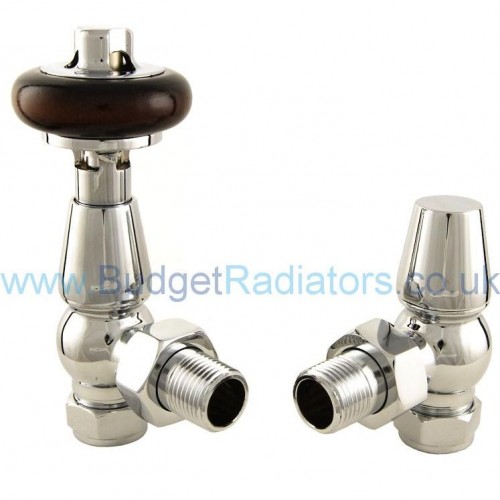
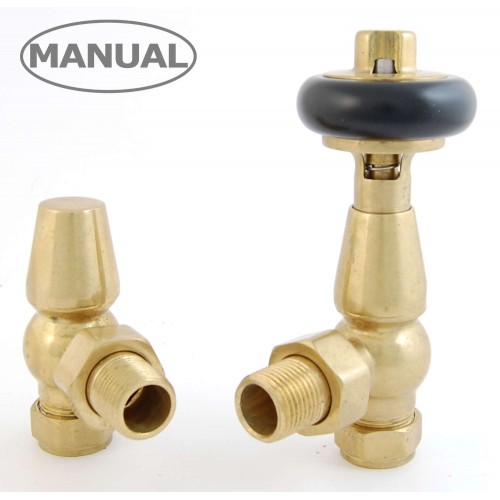
The Belgravia manual valve operates as a simple on and off mechanism, much like a standard water tap. Unlike a thermostatic radiator valve which contains a liquid sensor to automatically regulate flow based on room temperature, the Belgravia manual wheelhead allows the user to fix the flow rate manually. This technical distinction makes it ideal for rooms where a wall thermostat controls the boiler, such as a hallway or living room, preventing the radiator valve and the wall thermostat from fighting against each other and causing boiler cycling issues.
Why does the Un-Lacquered Brass finish on the Belgravia valve change appearance after installation?
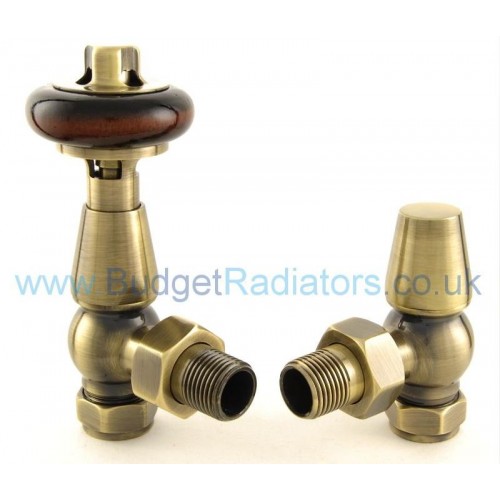
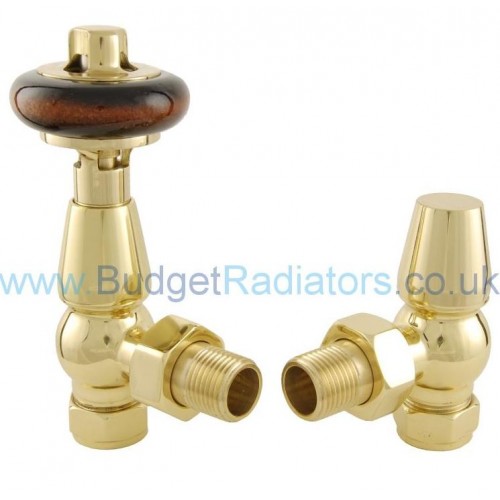
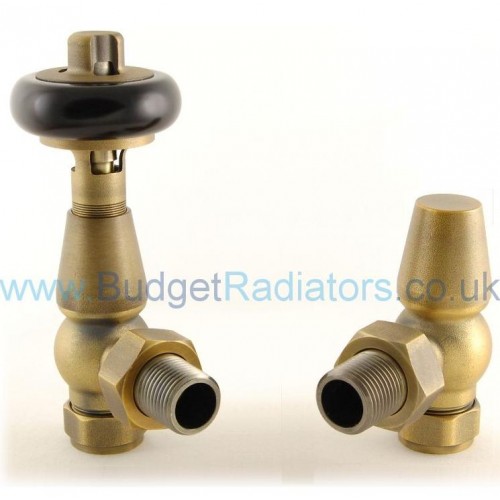
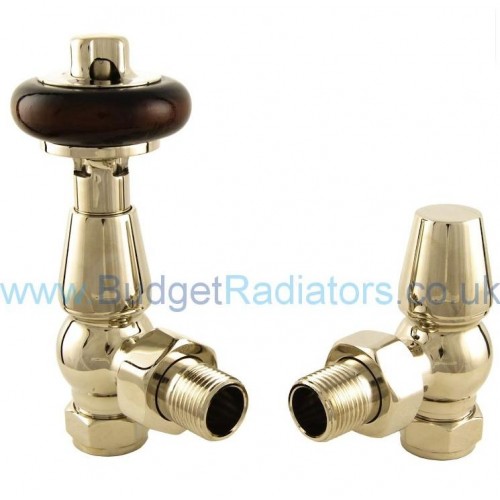
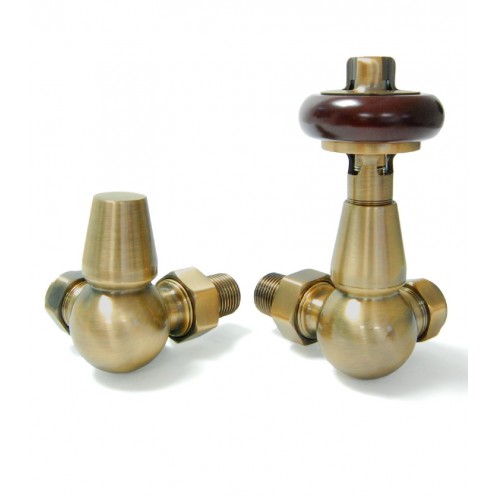
The Un-Lacquered Brass finish is technically designed to oxidise when exposed to the atmosphere. Since there is no protective lacquer coating sealing the brass, it reacts with oxygen to form a natural patina, which darkens the metal and gives it an authentic aged look suitable for traditional cast iron radiators. If you require the valve to remain shiny, you must problem solve this by regularly polishing the valve with a brass cleaner, or alternatively choose the Old English Brass finish which is sealed to maintain a consistent appearance.
How do I technically balance my heating circuit using the Belgravia lockshield valve?
Balancing is critical for ensuring all radiators heat up at the same speed. The Belgravia set includes a wheelhead for user adjustment and a lockshield valve which is capped. To balance the system, you must remove the cap on the lockshield and use a spanner to adjust the internal spindle. By restricting the flow on the lockshield side (the return pipe), you increase the hydraulic resistance, forcing hot water to travel to radiators further away from the boiler. This prevents the Belgravia valve nearest the pump from short-circuiting the system and stealing all the heat.
What are the specific installation advantages of using a Belgravia Corner valve over an Angled valve?
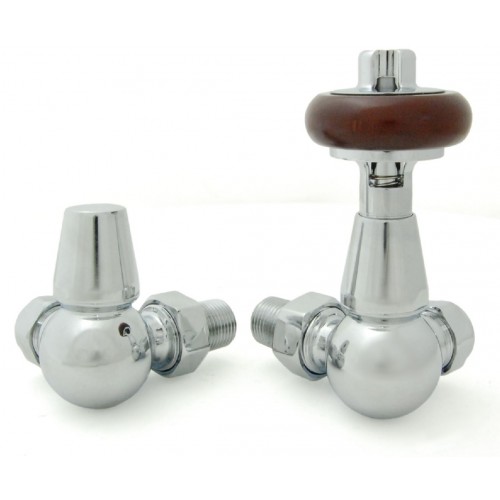
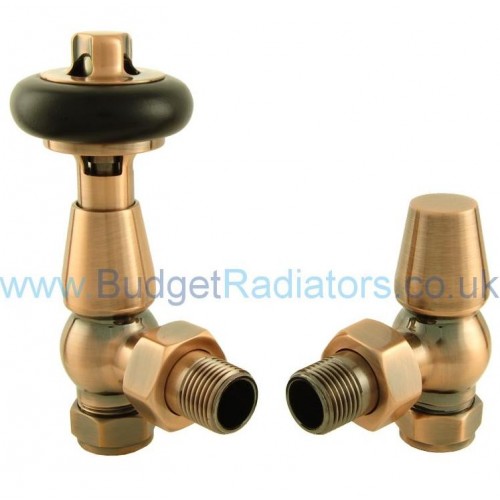
If your central heating pipework emerges from the wall rather than the floor, the Belgravia Corner valve is the correct technical choice. Using an Angled valve on wall pipes forces the valve head to point horizontally into the room, which increases the total depth and creates a tripping hazard. The Corner valve reorients the 90 degree bend so that the ornate wheelhead points vertically upwards parallel to the radiator, while the valve body sits compact against the wall, ensuring a safer and more aesthetically pleasing installation.
Can the Belgravia manual valve range be installed on microbore pipework systems?
The Belgravia range is manufactured with a standard 15mm compression inlet, which is compatible with the majority of UK copper and plastic pipework. If you have a microbore system with 10mm or 8mm pipes, you cannot connect the valve directly. To solve this, you must use a specialized reducing set or a pipe reducer. This involves replacing the standard 15mm olive within the valve nut with a reducer that bridges the gap between the valve body and the smaller pipe, ensuring a watertight compression seal.
What maintenance is required for the packing gland in the Belgravia manual valve if a leak occurs?
Over time, the rotational movement of the manual wheelhead can cause the watertight seal around the spindle, known as the packing gland, to loosen. If you notice water weeping from under the wheelhead, you can often solve this without draining the system. Remove the decorative head to expose the gland nut and tighten it slightly with a wrench. This compresses the internal packing material against the spindle, re-establishing the seal. The high quality brass construction of the Belgravia range allows for this adjustment without stripping the threads.
Why is the Belgravia manual valve often preferred for heated towel rails in bathrooms?
Technically, bathrooms often have high humidity and rapid temperature fluctuations that can confuse the sensors in thermostatic valves, causing them to shut off prematurely. Additionally, if you want your towels to remain warm and dry, you need a constant flow of heat regardless of the room air temperature. The Belgravia manual valve allows you to set the radiator to a fixed open position, ensuring the towel rail remains hot constantly when the heating is on, which is the optimal solution for bathroom moisture control.