
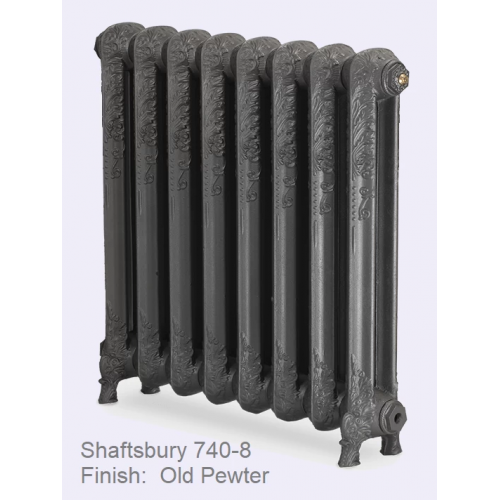
Shaftsbury 740 Cast Iron Radiator Products
Frequently Asked Questions
How does the high thermal mass of the Shaftsbury cast iron radiator benefit homes with modern heat pump systems
The dense cast iron construction of the Shaftsbury creates significant thermal mass which allows the radiator to retain warmth for extended periods even after the heating system shuts off. This property makes it technically superior for use with air source and ground source heat pumps as the radiator effectively buffers the lower water temperatures and slower heat cycles ensuring a steady ambient temperature and reducing the energy load on the heat generator.
What is the correct formula to calculate the pipe centre dimensions for the Shaftsbury 740mm before plumbing installation
To accurately calculate the pipe centres for first fix plumbing you must take the total width of the specific number of sections you have ordered and add approximately 90mm to 100mm to accommodate the radiator valves. For the distance from the wall you should measure half the depth of the radiator which is 77.5mm assuming a total depth of 155mm and add the clearance required for the skirting board to ensure the pipework aligns perfectly with the valve inlets.
Why is it critical to install wall stays with the Paladin Shaftsbury radiator despite it being a floor standing model
Although the Shaftsbury radiator stands on feet its narrow depth of 155mm combined with a significant height of 740mm and heavy weight creates a high centre of gravity. It is technically essential to install wall stays or wall ties to anchor the top of the radiator to the masonry or stud work to prevent the unit from tipping forward accidentally especially in households with children or pets as the feet alone do not resist lateral force.
How do I interpret the Delta T 50 BTU ratings when sizing the Shaftsbury radiator for a room with poor insulation
The Delta T 50 rating assumes a boiler water temperature of roughly 75 degrees Celsius. If your home has poor insulation or you are using a lower temperature system you must adjust this figure technically. You should calculate the specific heat loss of your room in BTUs and potentially oversize the radiator by adding more sections to the Shaftsbury assembly to compensate for the higher heat loss ensuring the room reaches the desired temperature without overworking the boiler.
What are the structural floor requirements for installing large 20 section Shaftsbury radiators weighing over 180kg
Large configurations of the Shaftsbury range such as the 20 section model can weigh nearly 190kg creating a massive point load on the floor. It is technically vital to ensure your subfloor is solid and capable of bearing this weight often requiring reinforcement under floorboards or the use of a concrete plinth. Failing to reinforce timber joists could lead to structural sagging or damage to pipe connections over time due to movement.
Can the Primer Black or Primer White finishes be left as the final top coat on the Shaftsbury cast iron radiator
No the Primer Black and Primer White options are technically only base coats applied to protect the cast iron during transit and storage. They are porous and not designed to seal the metal against moisture permanently. You must apply a final top coat of paint or choose a factory finished option like Heritage Metallic to prevent oxidation and rust spots from forming on the radiator surface shortly after installation.
What specific tools are required if the Shaftsbury radiator is delivered in two parts due to its length and weight
For extremely long configurations exceeding safe handling limits the Shaftsbury radiator may be delivered in two separate batteries of sections. To assemble them on site you will technically require a cast iron radiator joining tool or assembly key which fits inside the radiator nipples. You must use this tool to tighten the internal joining threads and compress the gaskets between the sections to ensure a watertight seal before connecting it to the heating system.
How does the 155mm depth of the Shaftsbury radiator affect the radiant heat output in larger rooms
The generous 155mm depth of the Shaftsbury design significantly increases the surface area of each cast iron section compared to slimmer radiators. This increased surface area allows for a higher rate of radiant heat emission which warms objects and people in the room directly rather than just heating the air. This makes it technically more effective for larger high ceilinged rooms where convection heating alone might result in cold spots.
What is the difference between manual and thermostatic valves when controlling the temperature of cast iron radiators
Manual valves act as simple on off taps that require user intervention to adjust the flow of hot water which can lead to overheating and energy wastage. In contrast thermostatic radiator valves or TRVs contain a heat sensitive liquid or wax element that automatically modulates the flow of water based on the room air temperature. Using TRVs with the Shaftsbury is recommended for maximizing energy efficiency as it prevents the high heat retention of the iron from overheating the room.
How should the ornate scroll details of the Shaftsbury radiator be maintained to prevent corrosion over the 10 year guarantee
The ornate scroll details on the Shaftsbury can trap dust and moisture which may lead to localized corrosion if neglected. To maintain the finish and validity of the guarantee you should dust the radiator regularly with a soft brush and ensure it is kept dry especially in bathrooms. If the radiator has a polished or burnished finish you may need to apply a light oil or beeswax periodically to seal the raw metal against atmospheric moisture.