
3-Column Lacquered Classic Radiators Products
Frequently Asked Questions
What technically causes the visible weld marks and discolouration on the lacquered bare metal surface
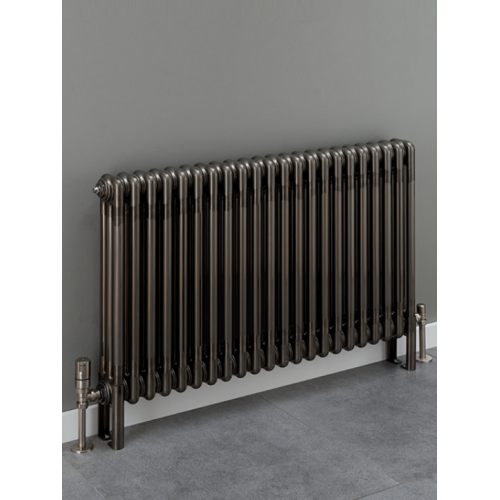
The lacquered bare metal finish is a transparent clear coat applied directly over the raw mild steel body. Unlike opaque painted radiators this finish intentionally exposes the manufacturing process including laser weld lines grinding marks and heat discoloration at the joints. These are not technical defects or damage but are inherent aesthetic characteristics of the industrial raw steel look ensuring that every single radiator has a unique patina.
How does the clear lacquer coating technically protect the mild steel from oxidation and rust
The clear lacquer acts as a hermetic seal that prevents oxygen and moisture from reaching the raw steel surface. Without this protective layer the mild steel would oxidize and rust rapidly in a normal home environment. The lacquer is baked on to provide a hard shell however it is technically less forgiving than thick powder coating so you must ensure the seal remains intact to maintain the 10 year guarantee and prevent corrosion.
What is the exact depth of the 3 column lacquered model and how does it affect wall projection
The 3 column lacquered radiator has a fixed section depth of 101mm. When installing you must account for the wall brackets which typically add 25mm of clearance. This results in a total projection of approximately 126mm from the wall. You must verify this measurement against your skirting boards and door frames to ensure the radiator does not cause an obstruction in narrow hallways or landings.
Is the lacquered bare metal finish technically suitable for high humidity areas like bathrooms
While the clear lacquer provides protection it is technically more susceptible to moisture ingress than standard white powder coating if the surface is scratched or chipped. In high humidity zones like bathrooms or wet rooms condensation can settle on the cool metal. If you install this range in a bathroom you must ensure excellent ventilation and wipe down the radiator regularly to prevent moisture from compromising the lacquer seal over time.
How do I calculate the pipe centres for the 3 column raw steel radiator before plumbing
To calculate the pipe centres you must measure the total width of the radiator including the side bushes and add approximately 80mm to 90mm to accommodate the valves. Crucially the distance from the wall to the pipe centre is determined by the bracket. For the 3 column model measuring 101mm deep the pipe centre will sit roughly 75mm from the wall. Accurate measurement is vital to avoid putting stress on the valve unions which can cause leaks.
Can I repair the lacquered surface if it gets deep scratched during installation
Yes if the clear coat is scratched deep enough to expose the raw steel you must repair it immediately to prevent rust spots forming. The technical solution is to use a clear metal lacquer or a clear automotive touch up varnish to reseal the exposed metal. You should apply this carefully with a fine brush to restore the airtight barrier and protect the underlying mild steel from oxidation.
How does the 3 column configuration maximize heat output compared to flat panel radiators
The 3 column design increases the surface area available for heat transfer within a compact footprint. By arranging three tubes depth wise the radiator creates vertical channels that accelerate air convection. This technical design allows the radiator to draw cold air from the floor heat it rapidly between the columns and circulate it into the room efficiently making it a problem solving choice for rooms with limited wall width but high heat demand.
What are the structural mounting requirements for the heavy vertical lacquered radiators
Vertical 3 column radiators made of solid steel are extremely heavy especially when filled with water. A large 1800mm model can weigh over 50kg. You cannot rely on plasterboard fixings. The technical requirement is to anchor the brackets into solid masonry or timber studs. If the stud positions do not align with the radiator brackets you must use a timber pattress behind the wall or install floor mounts to support the vertical load safely.
How do I clean the lacquered bare metal surface without damaging the protective coat
You must strictly avoid using abrasive scouring pads wire wool or acidic chemical cleaners as these will strip the clear lacquer and lead to rapid rusting. The correct technical maintenance is to use a soft dry cloth to remove dust. For marks use a barely damp microfibre cloth with warm water and a mild pH neutral soap then immediately dry the surface to prevent water spots or moisture sitting on the lacquer.
Does the lack of paint affect the emissivity and thermal output of the radiator
Technically the clear lacquer has a different emissivity value compared to white gloss paint but the practical difference in heat output is negligible for home heating. The primary heat transfer method is convection airflow through the columns not radiation. Therefore you should size the radiator based on the listed Delta T50 BTU output for the specific size and not make complex adjustments based on the bare metal finish.