
Colona 3-Column - Lacquered Bare Metal Products
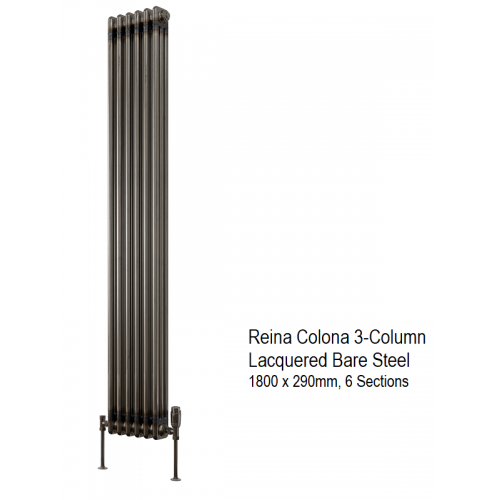
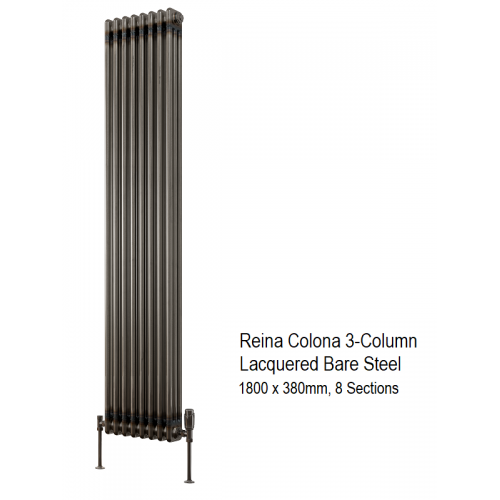
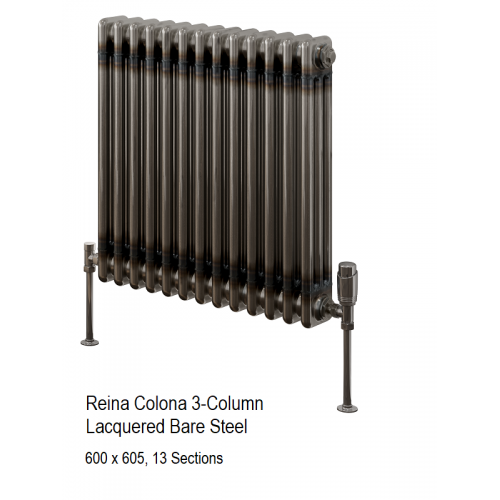
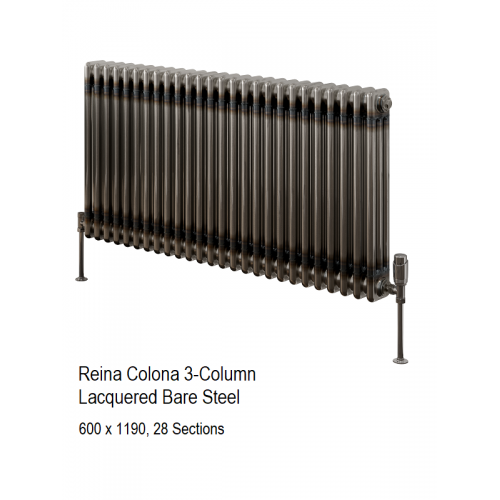
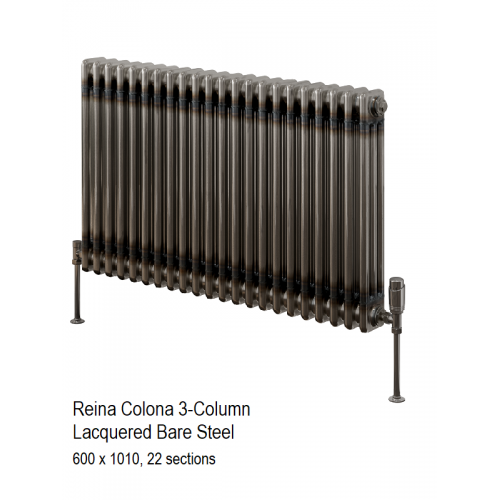
Showing 1 to 5 of 5 (1 Pages)
Frequently Asked Questions
What are the precise wall projection measurements I must account for during first fix plumbing to ensure the Colona 3-Column radiator fits without obstructing walkways?
While the radiator depth is fixed at 118mm, the installation hardware adds to the total projection. You must calculate a total clearance of approximately 135mm from the wall surface to the front face of the radiator once mounted. For plumbing preparation, ensure your pipe centers are set at the correct distance from the wall to align with the side inlets, accounting for the valve thread depth to avoid placing stress on the connection points.
Can I apply a custom color finish directly over the Lacquered Bare Metal surface using high temperature paint without chemical stripping or bead blasting?
Yes, the lacquered bare metal finish is designed to serve as a high quality primer base if customization is required. You do not need to strip the radiator down to raw steel. To solve the adhesion problem, simply clean the surface thoroughly to remove any grease or dust and lightly sand the lacquer with fine grade sandpaper. You can then apply a high temperature radiator paint directly onto this prepared surface for a durable and custom finish.
Does the industrial Lacquered Bare Metal finish offer sufficient corrosion resistance for high humidity environments like wet rooms or does it require additional external sealing?
The factory applied clear lacquer provides a robust seal against external oxidation and rust, making it suitable for standard bathroom environments. However, for high humidity wet rooms, constant moisture can eventually compromise any steel finish. Technically, the most critical protection against corrosion is internal; you must add a chemical inhibitor to the heating system water to prevent internal rusting and sludge buildup which is the primary cause of steel radiator failure.
What is the correct technical method for sizing the Colona 3-Column radiator if my central heating system operates on a lower water temperature Delta T 30 rather than the standard Delta T 50?
The heat output figures listed are based on Delta T 50 which assumes a boiler flow temperature of roughly 75 degrees Celsius. If you are using a heat pump or a lower temperature system operating at Delta T 30, the radiator will output significantly less heat. To solve this sizing problem, you must apply a correction factor (typically dividing the Delta T 50 rating by roughly 2.0 depending on exact temperatures) to ensure you select a model large enough to heat the room at lower water temperatures.
Considering the heavy weight of the water filled 3-Column steel radiator, what specific wall fixing requirements are necessary to prevent structural damage to plasterboard partition walls?
The 1800mm vertical models can be extremely heavy when filled with water. Relying solely on standard plasterboard plugs is unsafe. The technical solution for stud walls is to locate the timber noggins or studs and screw the brackets directly into the wood. If the studs do not align with the bracket positions, you must reinforce the wall with a timber batten or use specialist heavy duty toggle anchors designed to spread the load across a wider area of the plasterboard.
How do I determine the correct pipe center measurements for the Colona 3-Column radiator to ensure my underfloor pipes align perfectly with the radiator valves?
Because the connections are on the sides of the radiator, the total pipe center width is the width of the radiator plus the length of the valves. A standard technical rule of thumb is to add approximately 90mm to the stated width of the radiator (45mm per valve). You should purchase your valves before finalizing the pipework to measure the exact dimension, as valve lengths vary. This ensures your copper or plastic pipes rise from the floor at the exact point needed for a stress free connection.
Is the Colona 3-Column Lacquered Bare Metal radiator compatible with an electric heating element for dual fuel operation during summer months?
Yes, this steel column radiator can be converted for dual fuel usage. To achieve this technically, you need to install a T-piece on one of the bottom inlets which allows both the central heating valve and an electric heating element to enter the radiator. You must select an element with a wattage that matches the fluid volume and thermal capacity of the radiator size chosen, and a qualified electrician must fuse the connection effectively for safety.
Will the raw steel appearance of the radiator change or discolor over time due to the thermal expansion and contraction cycles of the heating system?
The protective lacquer is engineered to be flexible enough to withstand the thermal expansion cycles of the steel without cracking or peeling. Under normal operating conditions, the clear coat will not discolor. However, because it is a clear coat over raw metal, distinct natural imperfections in the steel are visible by design. This is not a defect but a characteristic of the industrial aesthetic that remains stable provided the lacquer surface is not scratched or compromised.
Why is it technically recommended to bleed the Colona 3-Column radiator immediately after installation and how does trapped air affect the heat distribution efficiency?
Upon filling the system, air pockets naturally become trapped in the upper loops of the column design. Trapped air acts as an insulator, preventing hot water from reaching the top of the radiator, resulting in cold spots and reduced thermal output. You must open the bleed valve at the top of the radiator with a key until a steady stream of water flows out. This displaces the air, allowing hot water to circulate through the full height of all three columns for maximum efficiency.