
3-Column Classic Radiators Products
Frequently Asked Questions
What is the exact depth of the 3-column radiator and how does it affect wall projection
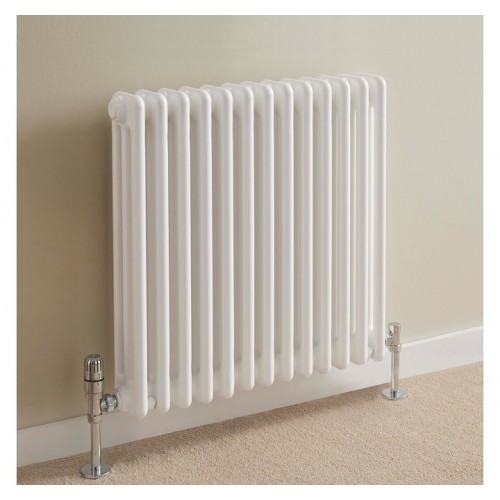
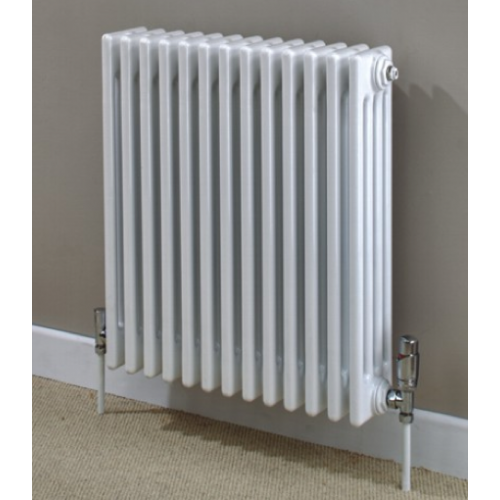
The depth of the Budget Direct Classic 3-column radiator is fixed at 101mm across all models. When installed with standard wall brackets, you must add approximately 20mm to 30mm for the bracket clearance. This results in a total wall projection of around 125mm, which ensures optimal airflow behind the mild steel columns for efficient convection heating.
How do I calculate the total width including valves for a 3-column steel radiator
The listed width covers the radiator body including the side bushes. For installation, you must allow additional space for the radiator valves. Typically, manual or thermostatic valves add approximately 80mm to 90mm to the overall width. Always measure your pipe centres only after receiving the radiator to ensure accuracy before drilling tiles or floorboards.
Why is the 3-column configuration recommended for rooms with limited wall space
The 3-column design maximizes surface area within a relatively compact 101mm depth. This allows the unit to generate a higher BTU heat output per meter of length compared to single-panel radiators. It effectively solves the problem of heating large rooms where horizontal wall space is scarce by utilizing depth and vertical height instead.
Do vertical 3-column models require flow diverters for proper heat distribution
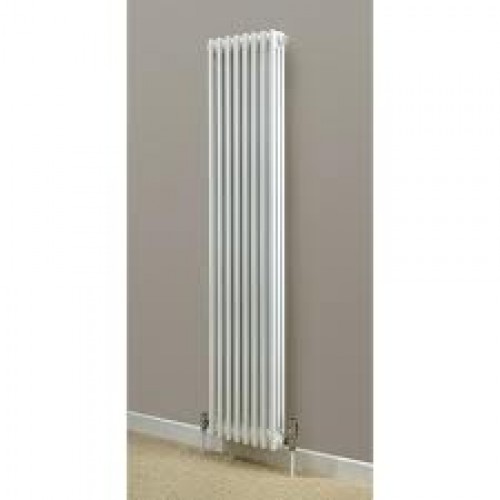
Tall vertical radiators can sometimes suffer from cold spots if water flows straight across the bottom. While these models are designed for bottom connections, installing an internal flow diverter or baffle can force hot water to the top of the column first. This ensures the entire surface area heats up evenly, providing maximum heat output efficiency.
Can these mild steel radiators be installed on stud walls or drywall partitions
These 3-column radiators are heavy because they are made of solid mild steel and hold a significant volume of water. If mounting on a stud wall, you must anchor the brackets directly into the timber studs. If studs do not align, we strongly recommend using slip-on feet or floor supports to transfer the weight to the floor and prevent wall damage.
What is the difference between the standard RAL 9016 finish and wet paint
The standard RAL 9016 Traffic White finish is a polyester powder coating applied electrostatically and cured under heat. This creates a hard skin that is far more durable and resistant to scratches, chipping, and heat discoloration than traditional wet paint. It solves the maintenance issue of radiators yellowing over time.
How does the operating pressure rating affect the installation in high rise buildings
These column radiators are tested to high pressures, typically up to 10 bar, with a working pressure of around 6 bar. This makes them suitable for most domestic closed central heating systems and even some high-pressure systems found in taller buildings. Always check your system pressure does not exceed the manufacturer rating to maintain the 10-year guarantee.
Are the pipe connections compatible with standard 15mm central heating pipes
Yes, the radiator features 4 standard 1/2 inch BSP connections. This is the universal standard for the UK and is fully compatible with common 15mm copper or plastic piping. You can use standard angled valves if pipes come from the wall, or straight valves if pipes rise from the floor, making retrofitting simple.
How does the Delta T50 rating impact the choice of radiator size
Heat output is listed at Delta T50, which assumes a boiler water temperature of 75
What maintenance is required to keep the 10-year guarantee valid
To protect the mild steel from internal corrosion, you must flush the heating system upon installation and add a chemical inhibitor. The 10-year guarantee is contingent on the system being free from sludge and properly treated. Externally, the columns should be cleaned with a soft cloth and non-abrasive cleaner to protect the powder coat.