
The Oval Double - Stocked (White Only) Products
Frequently Asked Questions
Given the significant 120mm depth of the Double Oval model what specific first fix plumbing adjustments are required for pipe centers to ensure the radiator sits flush without stressing the valve unions?
The Oval Double is deeper than standard panel radiators. With a radiator depth of 120mm plus the wall bracket standoff you must set your copper pipe centers approximately 80mm to 90mm away from the finished wall surface. If you simply use existing pipework set for a flat panel the valves will be forced backwards creating stress on the compression joints which can lead to leaks. You must alter the subfloor pipework to match this increased projection before tiling or carpeting.
Does the stock White powder coated finish on the Oval Double range require specific chemical cleaning agents to prevent discoloration or surface degradation over the 10 year guarantee period?
You must strictly avoid using abrasive scourers or acidic chemical cleaners on the White powder coated surface as these can create microscopic scratches that trap dirt and dull the gloss finish. The technical problem solving solution for maintaining the bright white appearance is to use a simple soft microfiber cloth dampened with warm water and a pH neutral soap. This protects the integrity of the epoxy polyester coating and prevents the premature yellowing often caused by harsh bleach based agents.
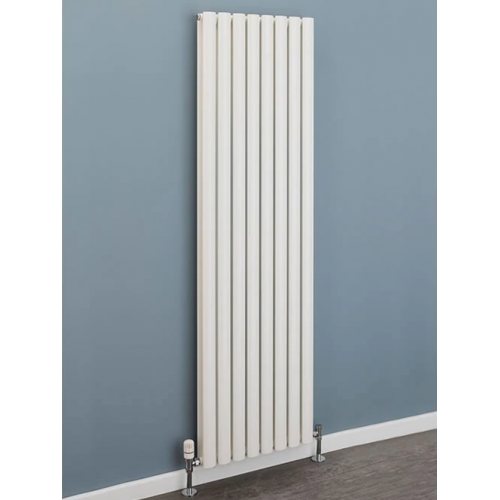
If I need to install the heavy vertical 1820mm Oval Double radiator on a dot and dab plasterboard wall what is the technically correct anchoring method to prevent liner failure?
A vertical double column radiator filled with water exerts a high shear load that can crush standard plasterboard. The correct technical solution for dot and dab walls is to use rigid steel core anchors that pass through the plasterboard and the air gap to fix directly into the solid masonry blockwork behind. These anchors provide a solid steel bridge that prevents the radiator bracket from compressing the plasterboard thereby eliminating the risk of the radiator pulling away from the wall.
Can the stocked White Oval Double radiator be technically retrofitted into an existing microbore system or will the reduced pipe diameter cause flow starvation and cold spots in the outer oval columns?
Retrofitting a high volume double column radiator onto 8mm or 10mm microbore pipe creates a hydraulic mismatch. The narrow pipes cannot supply water fast enough to displace the large volume of cool water in the radiator causing the center to get hot while the outer oval columns remain lukewarm. To solve this you must either repipe the tails to 15mm or significantly increase the pump head pressure setting to force a higher flow rate through the restrictive microbore tubing.
How does the thermal mass of the oval shaped low carbon steel tubes affect the heating cooling hysteresis curve compared to aluminium alternatives?
The low carbon steel used in the Oval Double range has a higher density and thermal mass than aluminium. Technically this means it has a slower hysteresis curve. It will take slightly longer to heat up but it solves the problem of rapid temperature drops by continuing to radiate stored heat for a longer period after the boiler cycles off. This provides a more stable and comfortable ambient temperature profile avoiding the rapid hot and cold fluctuations often associated with low mass aluminium radiators.
Why is it technically critical to verify the wall projection clearance for the Oval Double radiator in narrow hallways considering its 120mm depth plus bracket distance?
In narrow transit areas like hallways a radiator that projects too far becomes a physical obstruction and a safety hazard. The Oval Double has a total installed projection of approximately 145mm from the wall. Before purchasing you must measure the clear walking width of your hallway. If the remaining space is less than 800mm specifically at hip height you should technically opt for a single column model to comply with ergonomic clear passage standards and prevent impact damage to the radiator finish.
What is the correct bleeding procedure for the vertical Oval Double models to ensure no air locks remain in the upper bridge of the oval headers?
Vertical oval radiators have tall headers where air can easily become trapped causing the top section to remain cold. To solve this problem completely you must turn off the central heating pump and wait 10 minutes for the water to settle. Then open the top bleed valve until water flows. Crucially if you bleed it while the pump is running the circulating pressure can draw more air into the system or churn the air bubbles into the water making them impossible to vent.
Is the factory applied White finish on the stocked Oval Double range compatible with high temperature touch up paints if the surface sustains impact damage during installation?
Yes the factory finish is a cured powder coat which provides a stable substrate for repairs. If the radiator sustains a chip during installation exposing the bare steel you must solve this immediately to prevent rust. You can use a high temperature enamel touch up stick or a radiator spray paint. For a technical bond you should lightly sand the chipped area to key the surface and clean it with a degreaser before applying the paint to ensure it adheres and seals the steel against oxidation.
From a hydraulic standpoint does the double configuration of the Oval radiator create higher pump head resistance requiring a system bypass valve to maintain boiler flow rates?
The double column design actually increases the internal volume and cross sectional flow area which technically reduces hydraulic resistance compared to a restrictive single panel radiator. Therefore it typically does not require a bypass valve for flow reasons. However because it holds more water it acts as a thermal dump. The problem you might face is balancing; you must ensure the lockshield valve is adjusted correctly so this large low resistance radiator does not steal the flow from other radiators in the circuit.