
Tallis Single - Textured Anthracite Products
Showing 1 to 4 of 4 (1 Pages)
Frequently Asked Questions
How does the textured anthracite finish on the Tallis Single radiator offer superior durability compared to standard gloss paints?
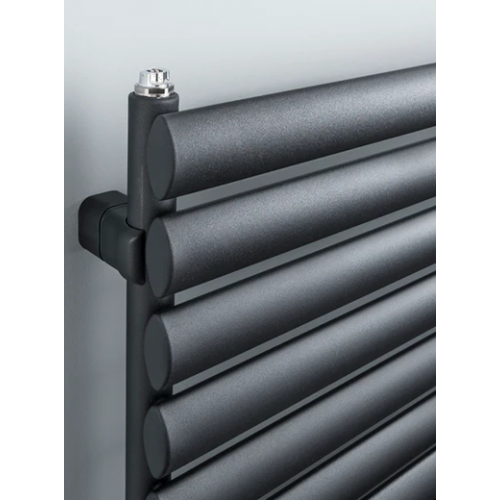
The textured anthracite finish is achieved through a high quality powder coating process where dry powder is fused to the steel at high temperatures creating a hard wearing surface that is far more resistant to chips scratches and daily wear than standard wet paint making it ideal for high traffic areas like hallways and kitchens
What are the specific wall loading requirements for installing the large vertical Tallis Single models?
The vertical Tallis Single models such as the 1820mm x 600mm version can weigh over 22kg when empty and significantly more when filled with water so you must ensure they are mounted onto solid masonry walls or reinforced timber studs because standard plasterboard fixings will not be sufficient to support the operating weight safely
How do I accurately calculate the total wall projection for the Tallis Single radiator to ensure it fits behind my door?
The Tallis Single has a fixed radiator depth of 95mm and you must add the depth of the standard wall brackets which typically space the radiator about 30mm to 50mm off the wall meaning the total projection you need to account for is approximately 125mm to 145mm to ensure doors can open fully without obstruction
Is the heat output of the Tallis Single Textured Anthracite compatible with low temperature heat pump systems?
Yes the Tallis Single features flat columns with a large surface area that effectively radiates heat making it compatible with renewable systems like heat pumps provided you recalculate the required size using a lower Delta T factor such as Delta T 30 to compensate for the lower water flow temperatures
Why is the Tallis Single described as having a hybrid design suitable for both period and modern properties?
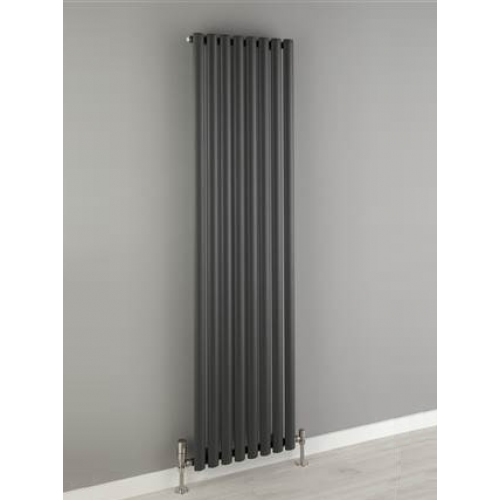
The Tallis Single utilizes a vertical column structure which echoes the design of traditional cast iron radiators found in period homes but updates it with a flat architectural profile and a modern textured anthracite finish allowing it to bridge the gap between Victorian styling and contemporary minimalist interiors
How should I clean and maintain the textured anthracite surface to prevent damage?
The textured finish is designed to hide fingerprints and minor marks but it can trap dust more easily than smooth surfaces so you should clean it using a soft dry cloth or a vacuum with a soft brush attachment and avoid using abrasive scouring pads or harsh chemical cleaners that could degrade the powder coated seal
What is the correct method for determining the pipe centres for the Tallis Single horizontal radiator?
To calculate the pipe centres for the horizontal Tallis Single you must take the overall width of the radiator and add the valve allowance which is generally around 80mm to 90mm depending on your chosen valves ensuring you measure this on site before fixing your floor pipes to ensure a tension free connection
Does the 10 year guarantee cover the radiator if I install it on a direct hot water system?
No the Tallis Single is manufactured from mild steel which is strictly designed for use in indirect closed loop central heating systems where the water is chemically treated because installing it on a direct open loop hot water system introduces fresh oxygen that will cause rapid internal corrosion and invalidate the warranty
How does the column configuration of the Tallis Single improve thermal efficiency in high ceilinged rooms?
The vertical column design promotes strong convection currents where cold air is drawn up from the floor heated by the columns and circulated upwards into the room which is particularly effective for heating rooms with high ceilings as it ensures a more even distribution of warmth compared to standard horizontal panel radiators
Why is it essential to add a chemical inhibitor to the heating system when installing the Tallis Single radiator?
Mild steel radiators are susceptible to internal oxidation if exposed to untreated water so you must add a high quality chemical inhibitor to the central heating system upon installation to passivate the metal surfaces and prevent the formation of magnetite sludge and rust which protects the radiator and maintains system efficiency