
Grosvenor TRV Range Products
Frequently Asked Questions
How does the liquid sensor in the Grosvenor Thermostatic Radiator Valve regulate room temperature?
The Grosvenor TRV head contains a sensitive liquid sensor that expands and contracts based on the ambient room temperature. When the room heats up, the liquid expands and pushes a pin down into the valve body, gradually closing the valve seat to restrict hot water flow. As the room cools, the liquid contracts, allowing the pin to rise and reopening the flow. This mechanical self-regulation maintains your set temperature accurately without requiring external power, ensuring energy efficiency and constant comfort.
Which Grosvenor valve configuration should I choose for pipes coming out of the wall?
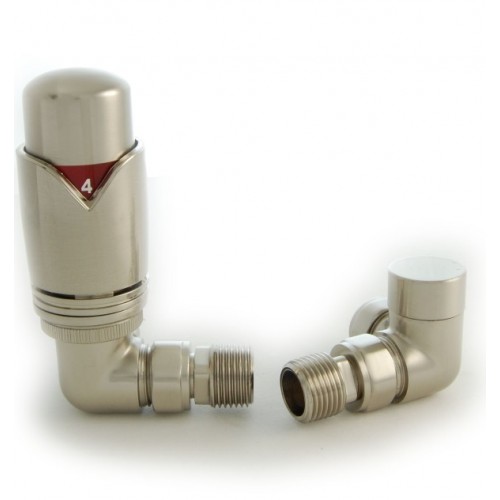
For pipes emerging from the wall, you technically have two options, but the Corner TRV is the superior technical solution. A Corner valve allows the TRV head to sit vertically (pointing up) or horizontally (pointing into the room) while keeping the valve body flush against the wall connection. This reduces protrusion into the room compared to an Angled valve, which would force the head to point horizontally into the room, potentially creating a tripping hazard or obstructing furniture.
What is the standard pipe connection size for the Grosvenor range and can it fit microbore pipework?
The Grosvenor range is manufactured with standard 15mm compression fittings, which is the industry standard for UK residential heating systems. The inlet connects directly to 15mm copper or plastic piping. If you have older or specific microbore pipework (such as 10mm or 8mm), you will need to use a pipe reducer or a reducing set. The 15mm nut and olive can be swapped for a reducing coupler to ensure a watertight seal on smaller diameter pipes.
Are Grosvenor Thermostatic Radiator Valves bi-directional and does flow direction matter?
Yes, the Grosvenor range is fully bi-directional. This means the internal valve mechanism is designed to handle water flowing through it in either direction without suffering from water hammer (a banging noise caused by valves closing against the flow). This technical feature simplifies installation because you can fit the TRV head on either the flow pipe (hot water entering) or the return pipe (water leaving) without needing to identify the specific flow direction of your central heating circuit.
How do I technically balance my heating system using the Grosvenor lockshield valve?
The Grosvenor set includes one wheelhead (the TRV) and one lockshield valve. The lockshield is the smaller valve usually covered by a plastic cap. To balance your system, you adjust the lockshield to restrict the flow of water leaving the radiator. By opening the lockshield only partially, you create resistance that forces hot water to travel to radiators further away from the boiler. This ensures even heat distribution across all rooms, rather than the radiators closest to the boiler getting all the heat.
What are the specific clearance dimensions required for the Angled Grosvenor TRV installation?
When installing the Angled Grosvenor TRV, you must account for the physical dimensions to ensuring fitting. The valve height is approximately 135mm, the width is 70mm, and the depth is 40mm. Technically, you need to allow for the radius of the valve head to rotate freely and ensure the pipe centers are positioned correctly from the wall to align with the radiator tapping. If your radiator is hung too close to a side wall, you must verify the 70mm width clears the obstruction to allow for maintenance and adjustment.
Why is the 10 year guarantee significant for the internal mechanism of these valves?
A 10 year guarantee on the Grosvenor range indicates high quality materials, specifically regarding the valve seat and the O-ring seals. In cheaper valves, the rubber O-rings can degrade or harden over time due to thermal cycling (constant heating and cooling), leading to leaks or seized pins. The long warranty suggests the use of durable EPDM rubber or similar high-grade materials that resist thermal degradation and sludge buildup, ensuring the pin mechanism remains mobile and leak-free for a decade.
Can the Grosvenor TRV head be installed vertically on a straight valve configuration?
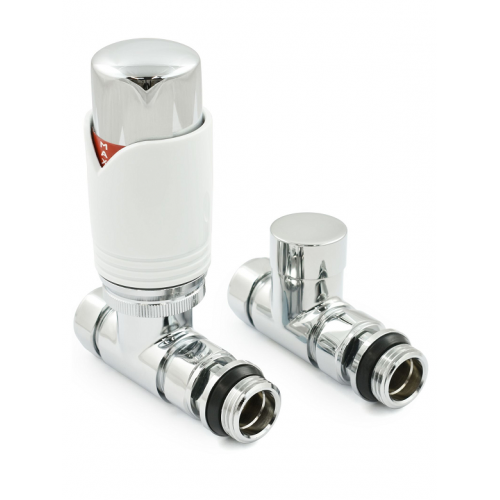
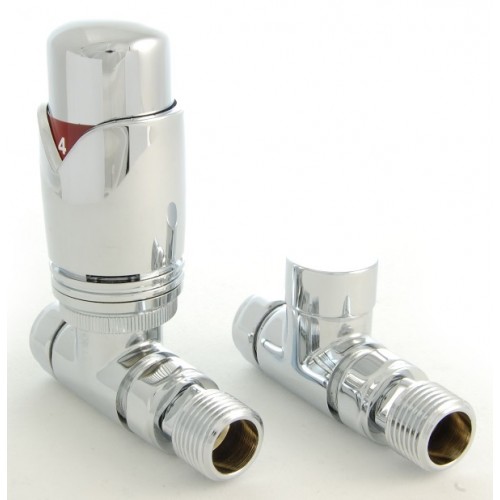
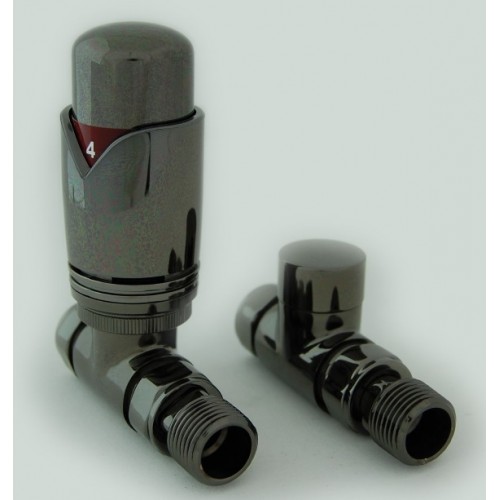
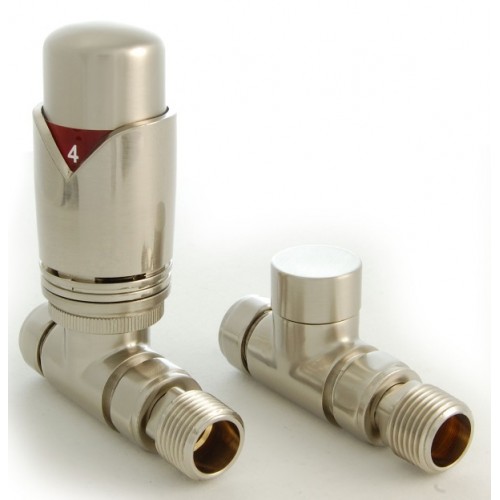
Technically yes, but it depends on your pipework. If your pipes come up from the floor, a Straight valve will orient the TRV head vertically upwards. This is often aesthetically pleasing but you must ensure that the thermostatic sensor is not located in a place where heat gets trapped (like under a shelf). If heat gets trapped around the vertical head, the sensor will give a false high reading and shut off the radiator prematurely. For optimal technical performance, the sensor should ideally be in free air.
How does the frost protection setting on the Grosvenor TRV operate?
The frost protection setting is a dedicated position on the dial, usually marked with a snowflake symbol. In this mode, the valve remains fully closed unless the ambient temperature drops to a critical low level (typically around 7 degrees Celsius). When the sensor detects this temperature, it automatically opens the valve slightly to allow warm water to flow. This technical safety feature prevents the water inside the radiator from freezing and expanding, which would otherwise rupture the radiator steel or the valve body.
What finish options are available for the Grosvenor range and do they affect thermal output?
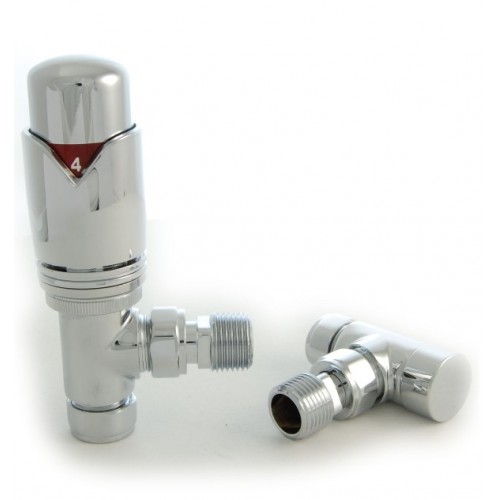
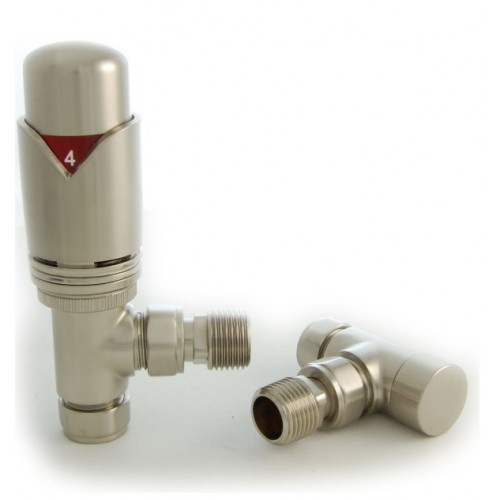
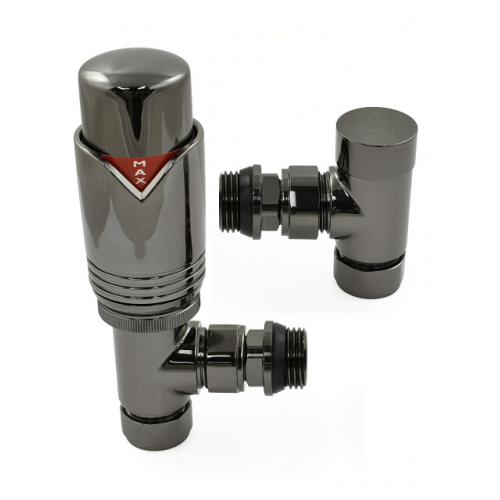
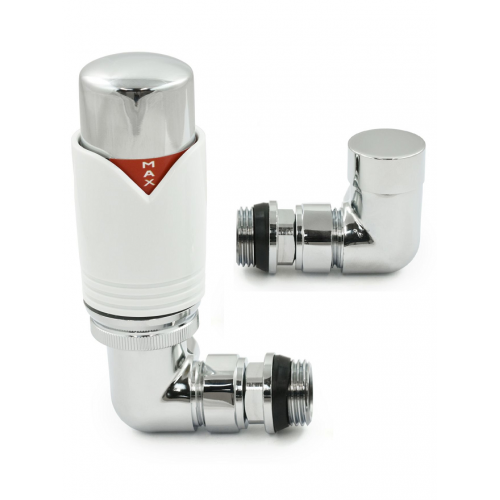
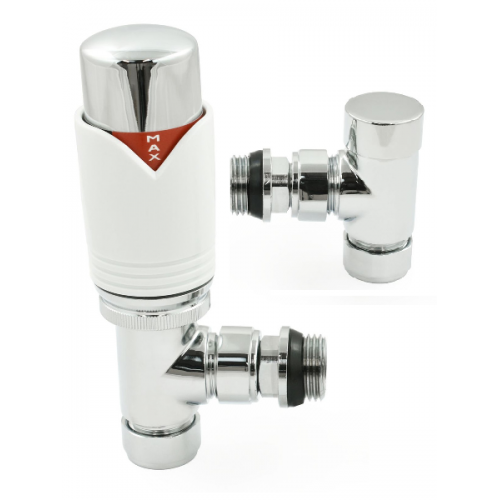
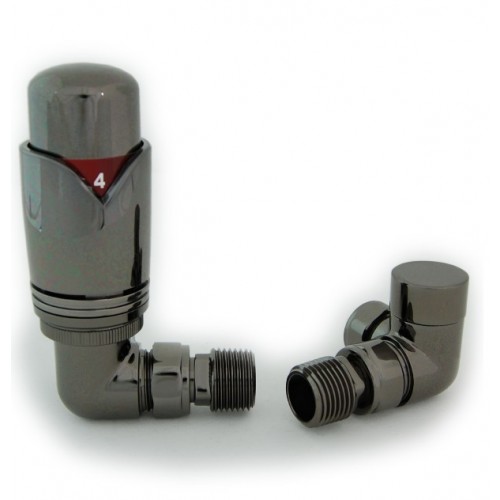
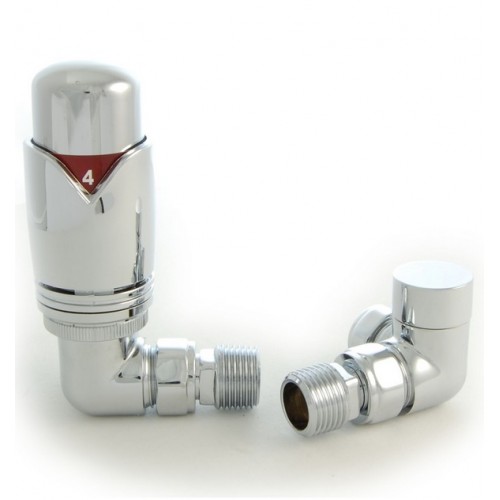
The Grosvenor range offers finishes including Chrome, Satin Nickel, Black Nickel, Satin Black, All White, and Brushed Brass. Technically, the finish of the valve body has a negligible effect on the thermal output of the radiator itself. However, the durability of the finish is important for humid environments like bathrooms. For example, the Chrome and Black Nickel finishes are plated, offering robust resistance to oxidation, while the Satin Black might be powder coated, providing a durable, scratch resistant surface suitable for high traffic areas.