
How can you style your Bedroom with Cast Iron Radiator
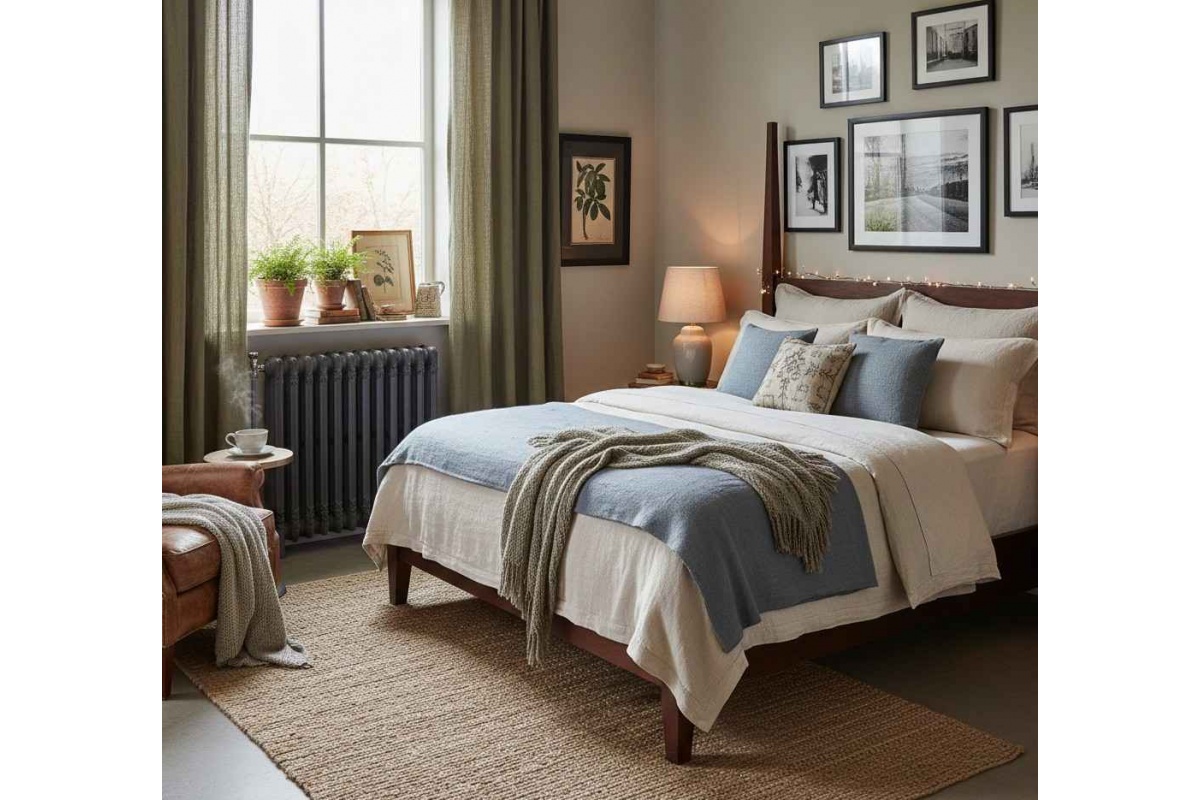
There is a moment every single morning when you step out of bed and your bare feet meet the cold floor. That tiny shiver is not something you have to live with. It is a signal a nudge from your own home telling you that something about your heating setup needs rethinking. Most people never bother. They pull on socks, layer up, and accept the discomfort as just another part of waking up. But the truth is, your bedroom radiator is one of the most powerful tools you already own, and the majority of people have absolutely no idea how to make it work for them properly. The bedroom is where you spend roughly a third of your entire life, and yet it is almost always the last room people think about when it comes to heating. That disconnect is worth exploring, because once you understand how bedroom heating actually functions and what makes certain radiators dramatically better than others your mornings, your nights, and your overall comfort will shift in ways you never expected.
Why Your Bedroom Feels Colder Than Every Other Room in the House
Walk through your home and pay attention to the temperature differences. The living room feels cozy. The kitchen hums with warmth from the appliances. But step into your bedroom and there is often a noticeable drop. This is not your imagination. It is physics. Bedrooms tend to be located away from the central heating source, which means the warm air and heated water have to travel farther to reach them. Along the way, energy is lost. The pipes cool down. The radiator, if it is undersized for the room, simply cannot compensate for all that lost heat. Additionally, bedrooms frequently have fewer windows facing the sun, which means they miss out on passive solar warming during the day. By the time evening rolls around and you need that room to be comfortable, it has already spent hours accumulating cold. The radiator then has to work overtime just to catch up, and if it is not the right size or the right type, it never quite gets there.
Reading the Room How to Actually Measure What You Need
Before you even begin thinking about which radiator to install or upgrade, you need to understand your room. Grab a measuring tape and calculate the length, width, and height of your bedroom. Multiply those three numbers together and you have your room volume in cubic metres. Now factor in the elements that affect heat retention. Single-glazed windows lose heat faster than double or triple glazed ones. Exterior walls, especially those facing north, bleed warmth into the outdoors constantly. Wooden floors lose heat differently than carpeted ones. A bedroom with thick curtains and carpet will need significantly less heating power than a bare, draughty room with thin blinds and exposed timber flooring. Most heating professionals suggest a rough guide of around 25 to 30 watts per cubic metre for a well-insulated bedroom, but that number climbs quickly if your room has any of the features mentioned above. Getting this calculation right is the single most important step before choosing a radiator, because an undersized unit will always leave you cold, and an oversized one will waste energy and potentially overheat your sleeping space.
The Warmth That Lasts Understanding Radiator Retention and Heat Output
Not every radiator delivers heat the same way, and this distinction matters enormously in a bedroom. Some radiators heat up fast and cool down just as quickly. Others absorb warmth slowly, hold it deep within their structure, and release it steadily over hours. For a bedroom, the second type is almost always the better choice. When you go to sleep, you turn the heating down or off entirely. You do not want to wake up at three in the morning shivering because your radiator dropped all its heat within forty minutes of being switched off. This is exactly where cast iron Radiators prove their worth beyond question. Their dense, heavy composition means they absorb an extraordinary amount of thermal energy and release it gradually, often continuing to warm a room for an hour or more after the heating system has shut down. This residual warmth is not a minor bonus — it is a game changer for bedroom comfort. A bedroom fitted with the right thermal retention radiator will stay noticeably warmer through the night, reducing your reliance on overnight heating and cutting your energy consumption at the same time.
The Noise Problem Nobody Talks About Enough
Here is something that surprises most people: radiators make noise. Not all the time, and not all radiators equally, but the ticking, gurgling, and occasional dramatic clanging that comes from a heating system is far more common than you might think. In a living room, you barely notice. In a bedroom, especially during the quiet hours of the night, even a soft hiss can pull you out of sleep. The noise comes from several sources. Air trapped inside the system causes gurgling as water flows past it. Metal expanding and contracting as it heats up and cools down produces ticking sounds. Pipes vibrating against floorboards or wall brackets create rattling. If your bedroom radiator is noisy, the first thing to do is bleed it. Trapped air is the most frequent culprit and the easiest to fix. Open the bleed valve with a key, let the air escape until water starts flowing smoothly, and close it again. Beyond that, check that the radiator is securely mounted and that no pipes are loose against hard surfaces. If the noise persists even after these steps, it may be time to replace the unit entirely with a modern, low-profile design that is engineered specifically for silent operation.
Choosing a Radiator That Actually Looks Like It Belongs in Your Room
Function has dominated the radiator conversation for decades, but aesthetics are catching up fast. The radiator sitting on your bedroom wall is one of the most visible features in the room. It does not disappear into the background the way a thermostat or a socket does. It takes up real estate on your wall, and in many cases it sits right beside your bed or directly across from where you sit reading before sleep. Choosing a radiator that clashes with your décor is like hanging a mismatched picture frame in an otherwise carefully designed space. It pulls the eye in the wrong direction. The good news is that radiators have evolved enormously in design. Slim, panel-style radiators offer a clean, modern look that blends into minimalist interiors without drawing attention. Vertical radiators are perfect for narrow walls where a traditional horizontal model simply will not fit. Decorative designs with brushed finishes, matte colours, or sculptural shapes have turned the radiator from a forgotten utility item into something that can genuinely enhance a room. When selecting your bedroom radiator, do not just compare wattage and price. Look at the profile, the colour options, and how the shape will interact with your furniture and wall colour.
Smart Controls Turning Your Bedroom Into a Climate You Actually Control
A radiator without intelligent control is like having a powerful engine with no steering wheel. It runs, but you cannot direct it where you want it to go. Thermostatic radiator valves are the most basic form of smart control, and they are worth adding to every bedroom radiator that does not already have one. These valves sense the air temperature in the room and automatically reduce the flow of hot water when the desired temperature is reached. This prevents overheating, saves energy, and maintains a consistent level of warmth throughout the night. For even greater precision, programmable thermostats allow you to set specific temperatures for specific times. You could programme your bedroom to be slightly cooler while you are getting ready in the morning, warmer in the evening as you wind down, and then drop a degree or two once you fall asleep. Some of the newer wireless and app-connected systems take this further still, letting you adjust your bedroom temperature from your phone before you even get home. The investment in smart controls is relatively modest compared to the ongoing savings in energy and the immediate improvement in comfort and consistency.
Making It All Work Together The Final Thought on Bedroom Heating
Bedroom heating is not a single decision. It is a series of choices that work together. The size of your radiator, the type of heat it produces, how quietly it operates, the way it looks on your wall, and how intelligently you control it all of these elements combine to create an environment where you can genuinely rest. The biggest mistake most homeowners make is treating their bedroom radiator as an afterthought. They upgrade the living room first, then the kitchen, and the bedroom gets whatever is left over or whatever was already there when they moved in. That approach almost always results in a room that is either too cold, too noisy, or both. Taking the time to properly size your radiator, selecting one with genuine thermal retention capability, ensuring it operates silently, choosing a design that respects your space aesthetically, and pairing it with smart controls that combination transforms your bedroom from just another room in the house into the most comfortable space you inhabit. You spend more hours there than anywhere else in the world. It deserves that level of attention. Start with the basics, build from there, and let your bedroom become the space it was always meant to be.