
Oxford 765mm Products
Frequently Asked Questions
How does the combination of 765mm height and 230mm depth on the Oxford radiator affect the calculation of pipe centers and wall projection for first fix plumbing?
The Oxford 765mm radiator is exceptionally deep at 230mm which places the pipe connections significantly further from the wall than standard radiators. You must calculate the center of the radiator pipe to be approximately 115mm from the back of the radiator plus the required 30mm air gap behind it. This means your pipework typically needs to come out of the floor at 145mm to 150mm from the finished skirting board. If you rough in pipework at standard distances the valves will not align and you will be forced to use offset connectors which can look untidy.
The Oxford 765mm radiator weighs nearly 15kg per section so what specific floor reinforcement is required for a 15 section assembly on a suspended timber floor?
A 15 section Oxford 765mm radiator has a dry weight of approximately 220kg and holds over 30kg of water bringing the total load to a quarter of a tonne. On a suspended timber floor this concentrated load can cause joists to bow or floorboards to split. You technically must locate the joists and ensure the feet are positioned directly over them. If the position does not align you must lift the floorboards and install substantial noggins or a spreader plate between the joists to transfer this immense weight safely into the building structure.
Why is the Oxford 765mm Cast Iron Radiator specifically recommended for large high ceilinged rooms rather than smaller modern spaces?
The Oxford 765mm generates a massive heat output of over 500 BTUs per section due to its huge surface area and tall profile. In a small room this intense radiant heat can cause uncomfortable hot spots near the radiator while the rest of the room stays cooler. In large high ceilinged rooms the 765mm height creates a strong thermal draught or chimney effect which effectively circulates warm air up to the ceiling and around the large volume of space ensuring even temperature distribution that smaller radiators cannot achieve.
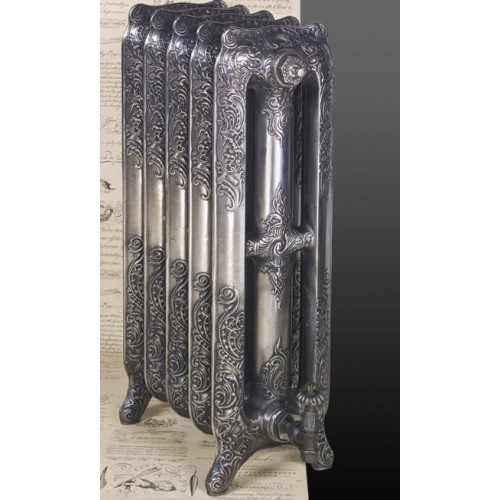
How does the Lion's Ear scroll detail on the Oxford 765mm radiator impact the painting process if I choose to apply a topcoat on site?
The Lion's Ear scroll on the Oxford range is a deep sweeping pattern that can easily trap paint if applied heavily. Because the radiator is 765mm tall gravity will cause any excess paint to run down the long vertical columns and pool in the lower scrolls. The technical solution is to use a spray painting method or a very dry brush technique applying multiple thin coats rather than one thick coat. This ensures the intricate definition of the casting remains sharp and prevents unsightly drips from hardening in the lower detailing.
Can I install the Oxford 765mm radiator on a low temperature renewable heating system like a Ground Source Heat Pump and still achieve adequate warmth?
Yes the Oxford 765mm is technically one of the most efficient choices for heat pumps. Its 230mm depth provides a huge surface area relative to its wall footprint. Even with water flow temperatures as low as 45 degrees Celsius the sheer mass of iron allows it to emit a substantial amount of useable heat. You will still need to apply a correction factor to the output usually dividing the Delta T 50 rating by roughly half but the baseline is so high that it often outperforms dedicated aluminium low temperature radiators.
What type of Wall Stay is mandatory for the Oxford 765mm radiator given its heavy top section and narrow base relative to its height?
Although the Oxford 765mm has a wide 230mm base its center of gravity is high due to the dense casting of the top scroll. A standard L bracket is insufficient to prevent tipping if the radiator is knocked. You technically require a Luxury Wall Stay that clamps through the sections near the top neck of the radiator. This stay must be anchored into solid masonry or a timber stud using a rawl bolt or coach screw to withstand the significant pull force if this 200kg unit were to become unstable.
How does the large water volume of roughly 3 liters per section in the Oxford 765mm radiator affect the dosing of chemical inhibitor in my central heating system?
The wide columns of the Oxford 765mm hold a vast amount of water significantly more than panel radiators or slimmer cast iron models. A typical 20 section radiator holds 60 liters of water. Standard 500ml bottles of inhibitor treat approximately 100 liters of system water. If you install just two of these large radiators you may already exceed the capacity of a single dose. You must calculate the total system volume accurately and likely add double or triple the standard inhibitor dose to prevent internal corrosion and hydrogen gas buildup.
Is it possible to maneuver a pre assembled 20 section Oxford 765mm radiator up a staircase for installation on an upper floor?
It is practically impossible and highly unsafe to move a 20 section Oxford 765mm radiator up a staircase fully assembled as it weighs over 300kg and is nearly 1.7 meters long. The correct technical procedure is to order the radiator in two or three smaller batteries of 6 to 8 sections. These can be carried up individually and then assembled in the room using a heavy duty joining key and nipples. Attempting to move the full unit risks severe injury to personnel and structural damage to the staircase.
Does the 230mm depth of the Oxford 765mm radiator require special consideration for valve selection to ensuring the handles are accessible?
Yes the 230mm depth means the radiator protrudes significantly into the room. If you use standard straight valves the handles will stick out another 80mm creating a trip hazard and visual obstruction. We recommend using Corner Valves for the Oxford 765mm range. These orient the valve heads horizontally inward or vertically upward keeping the mechanism tucked within the 230mm footprint of the radiator. This protects the valves from accidental impact and maintains a cleaner aesthetic profile.
What cleaning maintenance is required for the Oxford 765mm radiator to ensure the convection channels remain clear and effective?
The Oxford 765mm relies partly on convection currents rising between its deep columns. Over time dust and pet hair can bridge the gap between the rough cast sections effectively blocking airflow. Because the radiator is 230mm deep a standard cloth cannot reach the center. You technically need to use a long flexible radiator brush or compressed air to clean between the columns annually. Keeping these internal airways clear is critical to maintaining the 500 plus BTU output per section as blocked airways convert the unit to a purely radiant emitter reducing overall efficiency.