
The Eos Products
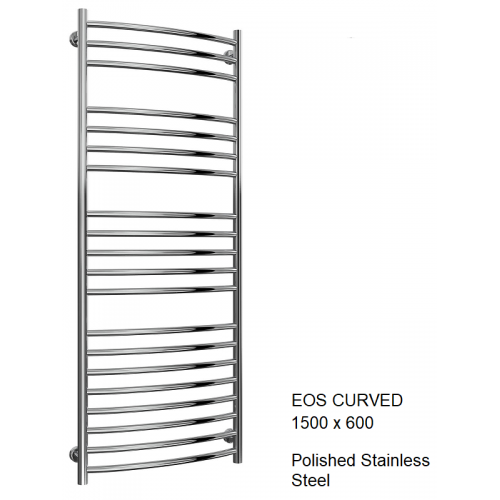
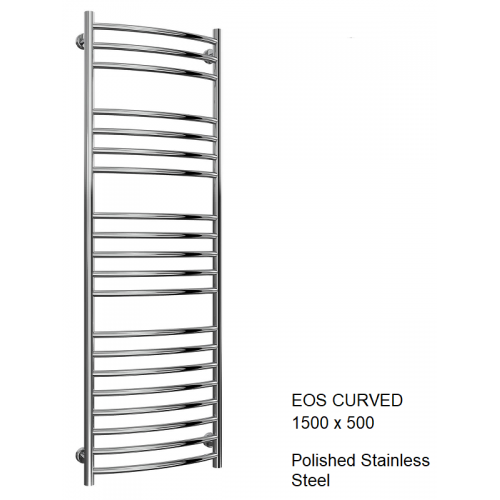
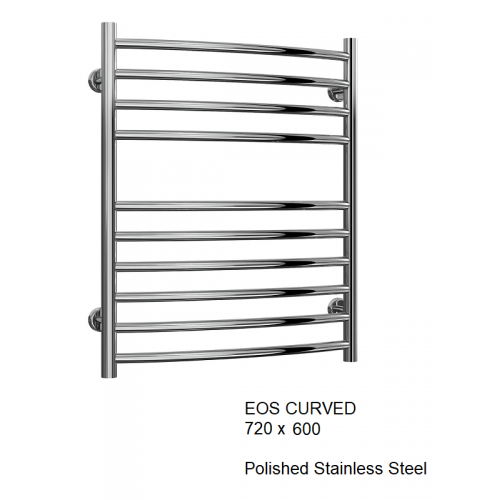
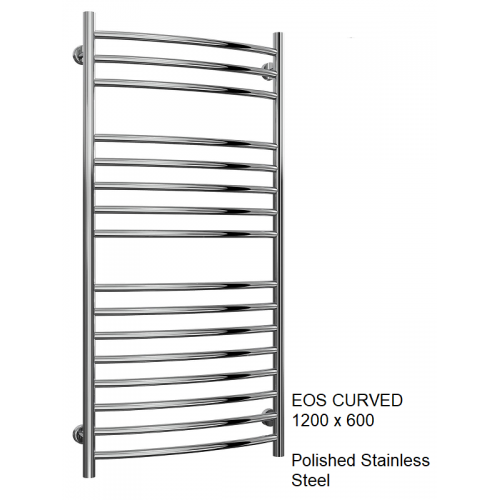
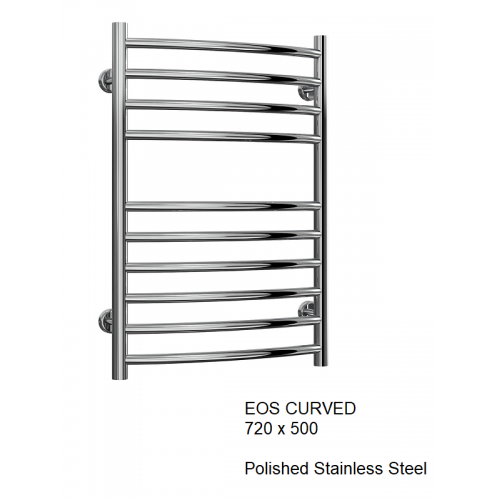
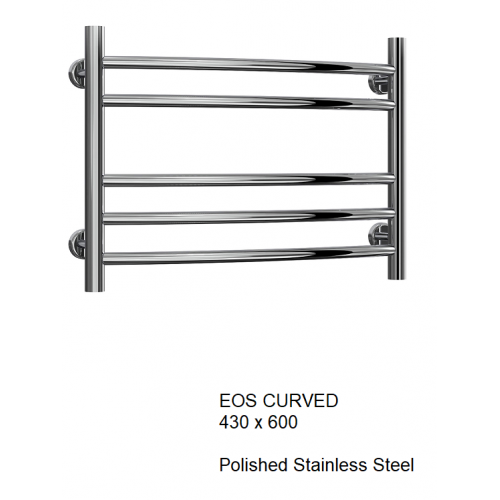
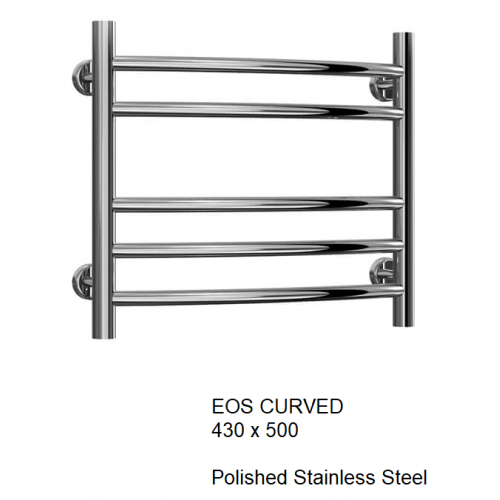
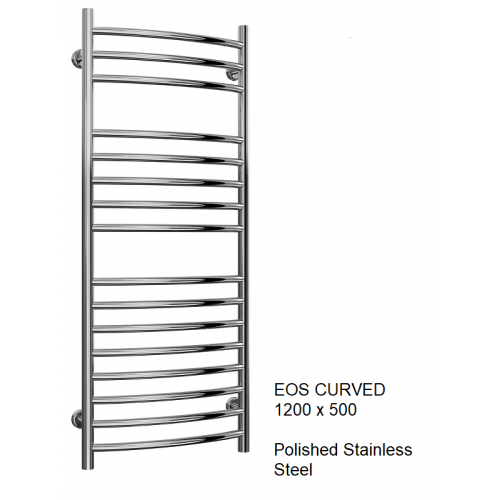
Showing 1 to 8 of 8 (1 Pages)
Frequently Asked Questions
Why is high grade stainless steel better than chrome for bathroom heating performance?
"The Eos is manufactured from high grade stainless steel which acts as a superior conductor of heat compared to chrome plated mild steel. This material ensures that the towel rail heats up faster and retains heat longer, providing roughly 30 percent more heat output than equivalent chrome models. It is also naturally resistant to rust and corrosion, making it the technically superior choice for wet and humid bathroom environments."
How do I calculate if The Eos has the correct BTU output for my specific room size?
"To ensure The Eos can adequately heat your space, you must calculate the required BTU (British Thermal Unit) for your room volume. Measure your room height, width, and length in meters, multiply them to get the volume, and then multiply by a factor of 150 for bathrooms. Compare this figure against the Heat Output BTU listed for each Eos model, such as the 1200 x 600 mm model which provides 2044 BTU. If your room requires more heat, you may need the larger 1500 mm height version."
Can The Eos towel rail be converted for dual fuel or electric only installation?
"Yes, The Eos range is compatible with dual fuel and electric only conversions, though they are primarily supplied for central heating systems. For dual fuel, you will need to install a T-piece and an electric heating element alongside standard valves. This setup allows you to heat the rail electrically in summer when the main central heating is turned off. Always ensure the element wattage matches the liquid capacity of the specific rail size selected."
What are the precise wall projection dimensions for installation in narrow spaces?
"For tight bathroom layouts where space is premium, the Eos has a fixed wall projection depth of 75mm. This technical dimension measures from the wall to the furthest front face of the rail. When planning your pipework, you should allow for this depth plus the clearance needed for your radiator valves to ensure the rail does not obstruct door openings or walkways."
How do I determine the correct pipe centres for roughing in the plumbing work?
"Calculating the pipe centres depends on the width of the specific Eos model you choose and the valves used. Generally, for a vertical ladder rail like The Eos, the pipe centres are the width of the radiator minus roughly 30mm if the connections are on the bottom vertical uprights, or the width plus the valve allowance if connecting from the side. You should always wait for the product to arrive before finalizing plumbing positions to avoid costly alteration work."
What maintenance is required to preserve the 10 Year Guarantee against corrosion?
"The Eos comes with a 10 Year Guarantee that covers manufacturing defects and leakage. To maintain the validity of this warranty and the condition of the stainless steel, you should avoid using abrasive cleaners or scouring pads which can damage the polished surface. Technically, stainless steel is self-repairing due to its chromium oxide layer, so simple cleaning with warm soapy water and a soft cloth is sufficient to prevent surface pitting and maintain its corrosion resistance."
Does the ladder design impact the hydraulic pressure or flow rate of the heating system?
"The ladder design of The Eos is optimized for standard central heating systems and does not negatively impact flow rates. It is designed to operate efficiently within standard domestic system pressures. The horizontal bars provide a balanced water volume that ensures even heat distribution across the surface without causing high pressure drops, provided the system is properly balanced and bled of air pockets during commissioning."
What size radiator valves are compatible with the connection ports on The Eos?
"The Eos utilizes standard 1/2 inch BSP (British Standard Pipe) connection ports, which is the universal standard for UK plumbing. You can use any standard 15mm radiator valves. You must select between angled, straight, or corner valves based on whether your pipework emerges from the floor or the wall. Angled valves are typically used for floor pipes, while corner or angled valves suit wall pipes depending on the specific alignment."
How does the vertical height of the rail affect the towel drying efficiency?
"The vertical height directly influences the surface area available for heat transfer and towel storage. A taller model, such as the 1500mm high Eos, offers more horizontal bars and wider spacing intervals. This technical layout allows for better air circulation between multiple layers of towels, preventing dampness and ensuring that both the fabric and the room air reach the desired temperature more efficiently than shorter 430mm models."
Is the mounting system adjustable for uneven wall surfaces?
"The bracket kit supplied with The Eos typically allows for minor adjustments to ensure the rail is plumb and level. However, for walls that are significantly uneven, you may need to use packing washers behind the bracket base plates. Ensuring the rail is perfectly vertical is critical not just for aesthetics but to prevent air locks from forming in the top horizontal bars, which would reduce heating performance and cause cold spots."