
The Halo Products
Frequently Asked Questions
How do I calculate the specific British Thermal Unit or BTU output required for my room dimensions to ensure the Halo radiator provides enough warmth?
You must measure the length, width, and height of your room in meters. Put these numbers into a specific BTU calculator. This tool uses a formula that considers your window size and wall type to give you a heat number. You must match this number to the radiator output to ensure your room stays warm in winter.
What is the technical difference between Delta T50 and Delta T60 heat ratings and which standard should I use for a modern gas boiler system?
Delta T is the temperature difference between the water inside the radiator and the air in your room. Old systems used Delta T60 which is very hot. Modern boilers use Delta T50 which is cooler and saves energy. You should look at the Delta T50 number to make sure the radiator is powerful enough for your modern system.
Why is the thermal efficiency of the Halo steel construction better for retaining heat compared to thinner aluminium alternatives?
Steel is a heavy metal that holds onto heat for a long time. This is called high thermal mass. When your central heating turns off the Halo steel radiator stays warm for longer than aluminium. This helps keep the room temperature steady without the boiler working as hard.
How do I correctly measure the pipe centers for the Halo vertical radiator to ensure my plumber installs the copper pipes in the exact right floor position?
You must not guess this measurement. You need to add the width of the radiator to the size of the valves. Usually you add about 80mm to the total radiator width. It is best to buy the radiator and valves first and lay them on the floor to measure the exact distance before drilling any holes.
Can I install the Halo vertical designer radiator on a plasterboard stud wall or does it require a solid masonry wall for safe weight support?
These radiators are heavy because they are made of quality steel. A simple plasterboard wall might break under the weight. You must find the wooden studs behind the plasterboard to screw the brackets into. If you cannot find studs you should use a solid brick wall to ensure it never falls down.
What is the function of a flow diverter or baffle inside the Halo vertical radiator and why will the radiator stay cold if it is missing?
A flow diverter is a small plug inside the radiator that forces water to flow up to the top. Without this part the hot water would just flow along the bottom and leave the top cold. You must ensure the radiator is hung the right way up so the internal diverter works correctly to heat the whole panel.
How does the powder coated finish on the Halo radiator affect the heat transfer efficiency compared to a polished chrome finish?
Paint or powder coating is very good at letting heat escape into the room. Chrome acts like a mirror and keeps some heat inside the metal. This means a painted Halo radiator will give out about 20 percent more heat than a chrome one of the same size.
What specific type of corrosion inhibitor fluid must I add to my central heating system to prevent hydrogen gas build up and rust inside the radiator?
When you fill the radiator with new water you introduce oxygen which causes rust. You must pour a chemical called Inhibitor into the system. This chemical creates a layer inside the steel to stop rust. If you do not use it the radiator will rot from the inside and leak.
Why do I need to balance my central heating system after installing a new vertical Halo radiator to prevent other radiators from getting cold?
Water follows the easiest path. A new tall radiator might have less resistance than old ones. You must adjust the lockshield valve on the return side of the radiator. Closing it slightly forces water to go to other radiators so every room heats up at the same speed.
What is the technical advantage of using thermostatic radiator valves or TRVs instead of manual valves on my Halo designer radiator?
A manual valve is just an open tap. A thermostatic valve has a sensor that feels the air temperature. When the room gets hot enough it closes the valve automatically to stop the water flow. This saves you money because you do not overheat the room unnecessarily.
How do I safely bleed the air out of a tall vertical radiator to fix cold spots at the very top of the panel?
Air is lighter than water so it floats to the top. You must turn off the heating pump first so the water stops moving. Use a radiator key to open the small vent at the top. Wait until the hissing sound stops and water comes out then close it tightly to ensure the panel is full of hot water.
Is it possible to convert the standard Halo hydronic radiator into a dual fuel system for summer heating without turning on the main gas boiler?
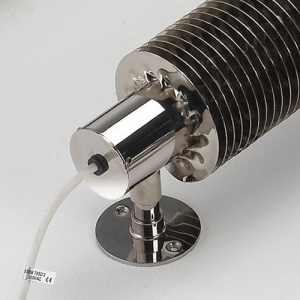
Yes you can do this by adding an electric heating element. You insert a T-piece into the pipe inlet. This allows you to use gas heating in winter and switch to electricity in summer to dry towels. You must have a qualified electrician wire this safely.
What is the projection distance from the wall and why is this technical measurement important for installing near doors or narrow hallways?
Projection is how far the radiator sticks out into the room. The Halo brackets add distance to the back. You must check this total depth to ensure the radiator does not block a door from opening or make a hallway too narrow for people to walk through safely.
Why must the central heating system be flushed with a chemical cleaner before installing the new Halo radiator to protect the manufacturer warranty?
Old systems have black sludge inside the pipes. If this sludge enters your new Halo radiator it will block the narrow tubes. The warranty does not cover blockage damage. You must use a cleaner chemical to wash the pipes before connecting the new unit.
What are the electrical safety zone requirements for installing the electric version of the Halo radiator in a bathroom environment?
Electricity and water are dangerous together. Bathrooms are split into zones based on water risk. The electric Halo radiator must have a high IP rating which means it is waterproof. It must be installed at least 60cm away from the bath or shower to be legal and safe.
How does the surface area design of the Halo vertical radiator improve convection heating compared to flat panel radiators?
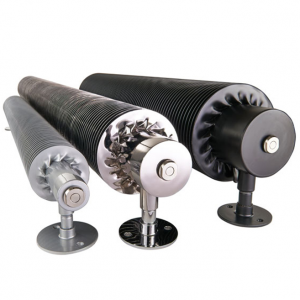
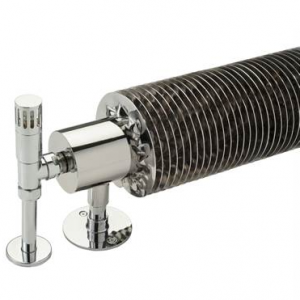
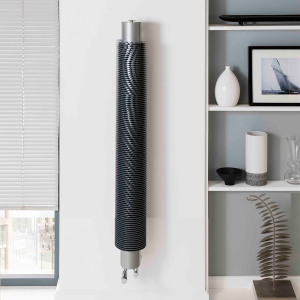
The vertical design increases surface area and allows natural convection currents to circulate more air through the room. Hot air rises along the fins while cooler air is drawn in at the bottom, giving faster and more even heat distribution than flat panels.