
The Milton Products
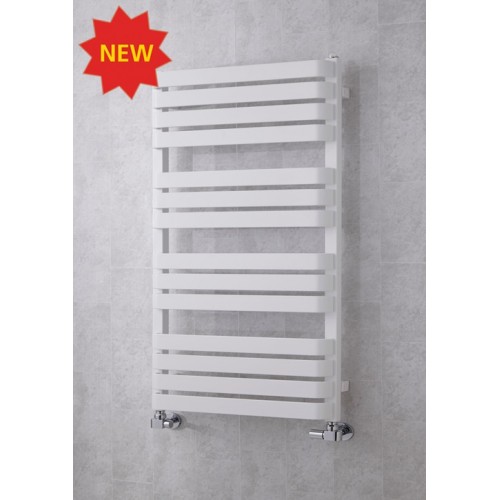
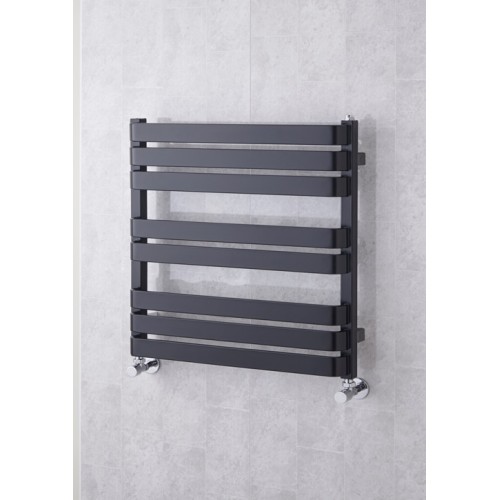
Showing 1 to 8 of 8 (1 Pages)
Frequently Asked Questions
What are the heat output specifications for the Milton Steel Towel Rail range?
The heat output varies by size to suit different bathroom dimensions. For instance, the compact 655mm x 500mm model delivers 1109 BTUs (325 Watts), while the larger 1110mm x 600mm version produces a powerful 2218 BTUs (650 Watts) at Delta T50. You must verify your specific room heating requirements using a technical BTU calculator to ensure the chosen model provides adequate warmth for both the space and drying towels.
What is the wall projection depth for installation planning?
The technical specifications indicate that the Milton towel rail has a fixed depth of 116mm. When planning your installation, you must account for this projection to ensure the rail does not obstruct cabinet doors, shower enclosures, or walkways. This depth includes the rail structure, but you should also check if the wall brackets add any additional clearance depending on the final mounting position.
Is the Milton Steel Towel Rail compatible with dual fuel systems?
Yes, the Milton range is manufactured from mild steel, making it generally suitable for dual fuel conversion. This problem solving setup requires installing a T-piece and a compatible electric heating element, allowing you to heat the rail electrically during summer months when the central heating is off. Ensure the element wattage matches the liquid capacity of the specific rail size you select.
Does the standard White RAL 9016 finish require special maintenance?
The standard White RAL 9016 finish is a durable powder coating designed for bathroom environments. To maintain its appearance and prevent technical issues like surface degradation, simply clean it with a soft, damp cloth and warm soapy water. You must avoid using abrasive scouring pads or harsh chemical cleaners, as these can damage the protective coating and lead to potential corrosion over time.
Do I need to purchase specific valves for the Milton radiator?
The Milton towel rail is supplied as the unit only, so you will need to purchase standard 15mm radiator valves separately. The connection points are typically located at the bottom of the vertical collectors. Therefore, you should use angled valves if your pipework emerges from the wall, or straight valves if your pipes come up from the floor, to ensure a secure and leak free connection.
What is included in the manufacturer warranty for this product?
The Supplies4Heat Milton range is backed by a comprehensive 10 Year Guarantee. This warranty covers technical manufacturing defects such as leaks, weld failures, or material flaws. This long coverage period provides assurance of the high quality steel construction and ensures the product will withstand the rigors of a humid bathroom environment for a decade or more.
How heavy is the Milton towel rail and what wall fixings are needed?
The weight of the Milton rail ranges from 12kg for the smallest model up to 25kg for the largest 1110mm x 600mm version. These weights are for the empty rail; it will be significantly heavier when filled with water. For safety, you must technically ensure your wall fixings are driven into solid masonry or timber studs, as standard plasterboard fixings may not support the dynamic load.
Are custom colors available for the Milton range?
Yes, while the standard finish is White RAL 9016, the product details indicate availability for S4H RAL Colours and Special Finishes. This allows you to technically customize the rail to match your specific bathroom decor. However, note that special order finishes typically have a longer lead time and may be non returnable, so verify your color choice carefully before ordering.
How do I bleed air from the Milton rail to fix cold spots?
If you experience cold spots at the top of the rail while the bottom is hot, trapped air is the likely technical cause. To solve this, locate the air vent bleed screw at the top of the vertical upright. With the heating system turned off and cool, use a radiator key to slightly open the screw until air hisses out and water begins to trickle, then close it tightly to restore full efficiency.