
Pietra Chrome Products
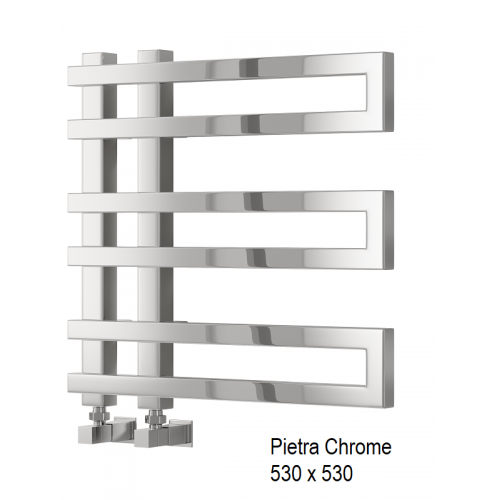
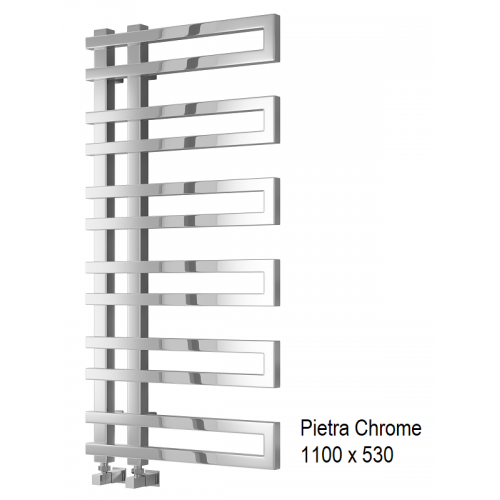
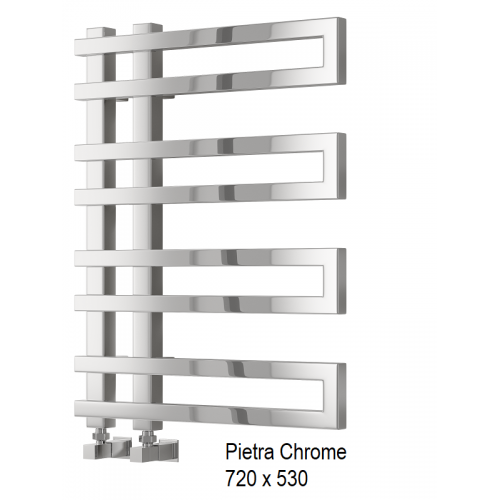
Showing 1 to 3 of 3 (1 Pages)
Frequently Asked Questions
How does the heat output of the Pietra Chrome compare to standard ladder rails?
The Pietra Chrome features a multi-column design that provides a significantly larger surface area than standard flat ladder rails. For example, the 1100mm model delivers 1471 BTUs. This technical advantage allows it to emit more radiant heat, making it suitable as a primary heat source for many bathrooms. However, because chrome plating acts as an insulator reducing output by approx 20-30% compared to painted finishes, you must still calculate your room's BTU requirements carefully to ensure this chrome version meets your specific heating needs.
What are the precise pipe center measurements for the Pietra Chrome 530mm wide model?
The pipe centers for the Pietra Chrome are not simply the width of the radiator. For the 530mm wide model, the pipe centers are typically the radiator width minus the valve allowance if connecting from the side/bottom. However, given its specific column design, we strongly recommend having the physical unit on site before first-fix plumbing. Drilling tiles based on the brochure width of 530mm can lead to misaligned pipes, as the actual valve inlet distance can vary by +/- 5mm depending on the valve type used.
Can the Pietra Chrome be converted to a dual fuel system for summer use?
Yes, the Pietra Chrome is compatible with dual fuel conversion. To solve the problem of cold towels in summer, you can install a T-piece and an electric heating element. You must match the element wattage to the radiator's output; for the 530mm x 530mm model (187 Watts), a 100W or 150W element is appropriate. This setup allows you to heat the rail electrically when the central heating boiler is turned off, providing year-round functionality.
How does the 115mm depth of the Pietra Chrome affect installation in small bathrooms?
The Pietra Chrome has a projection of 115mm from the wall to the front face, which is deeper than many standard towel rails due to its column structure. In narrow cloakrooms or en-suites, this depth is a critical factor. To avoid obstruction, you must measure the swing radius of any doors or shower screens nearby. Ensure there is sufficient clearance space in the walkway so the radiator does not become a hazard or impede movement within the room.
Why might the top of my Pietra Chrome radiator feel cold while the bottom is hot?
Cold spots at the top of vertical radiators like the Pietra Chrome are almost always caused by trapped air preventing hot water from circulating to the highest point. To fix this technical issue, turn off your central heating pump to stop the flow. Locate the bleed valve at the top of the unit. Use a radiator key to open the valve slightly until the hissing air stops and water begins to flow. Close the valve tightly to restore full internal pressure and even heat distribution.
What type of valves are required if my pipes emerge from the wall?
The inlet connections on the Pietra Chrome are located at the bottom of the vertical uprights. If your central heating pipes come out of the wall, you should technically use Angled or Corner radiator valves. This creates the necessary 90-degree turn into the bottom of the rail. Using straight valves in this scenario would force the pipes to protrude awkwardly into the room. Corner valves provide the neatest solution, keeping the valve heads tucked in line with the radiator for a streamlined finish.
Is the Pietra Chrome suitable for use on a domestic hot water (open) circuit?
No, the Pietra Chrome is manufactured from steel and is designed strictly for closed central heating systems where chemical inhibitors are used to prevent corrosion. If you install this rail on an open circuit (domestic hot water system) where fresh, oxygenated water constantly flows through it, the steel will rust internally, leading to leaks. For open circuits, you must solve this compatibility issue by purchasing a stainless steel or brass towel rail instead.
How does the Delta T50 rating affect sizing the Pietra Chrome for a heat pump system?
The heat outputs listed (e.g., 1471 BTUs for the 1100mm model) are calculated at Delta T50, assuming a gas boiler flow temperature of around 75
What cleaning maintenance is required to uphold the 10-Year Guarantee?
The chrome finish is durable but can be damaged by harsh chemicals. To maintain the 10-Year Guarantee and prevent pitting or peeling, you must avoid using abrasive scouring pads, wire wool, or acidic cleaners containing bleach. To solve the problem of water marks or limescale, simply wipe the rail with a soft microfiber cloth and warm soapy water. Regular drying of the surface is essential in humid bathrooms to prevent limescale buildup, which is a primary cause of cosmetic corrosion.
What wall fixings are necessary to support the weight of the Pietra Chrome?
The Pietra Chrome is a substantial unit made of solid steel and holds a volume of water that adds to its weight. Installing it directly onto plasterboard using standard rawl plugs is structurally unsafe. To solve this, you must locate the timber studs behind the plasterboard and anchor the brackets directly into them. If the stud spacing does not align with the bracket width, you are technically required to install a timber noggin or ply reinforcement behind the wall surface to provide a secure, load-bearing fixing point.