
Dual Fuel & Electric-Only Options Products
Showing 1 to 7 of 7 (1 Pages)
Frequently Asked Questions
What specific components are contained within a complete dual fuel radiator conversion kit for central heating systems?
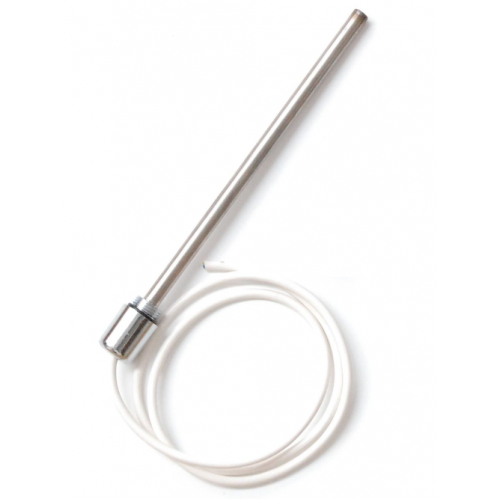
To turn your standard radiator into a dual fuel one you need three main parts. First is the Heating Element which is a metal rod that goes inside to heat the water. Second is the T-Piece which is a special connector that lets you plug in both the water pipe and the electric rod at the same spot. Third you need a Dual Fuel Valve to control the water flow.
How does the T-Piece adapter function to allow both hydronic and electric heating sources in a single towel rail unit?
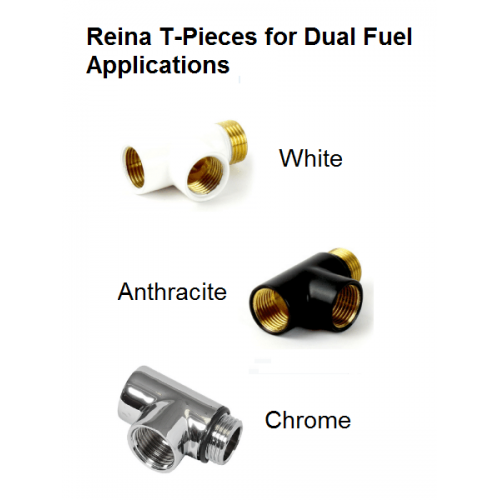
The T-Piece is shaped like the letter T. It has three openings. One opening screws into your radiator. The second opening connects to your central heating water pipe. The third opening holds the electric heating rod. This clever shape lets water flow in from the boiler while the electric rod sits inside the rail at the same time.
What is the correct operational procedure to switch a dual fuel towel rail from central heating mode to electric summer mode to ensure safety?
This is very important. First you must turn the two water valves clockwise to close them completely. This stops heat from escaping into your house pipes. Second you must slightly loosen the bleed valve at the top of the rail. This lets a little air out so the pressure does not get too high when the electric heater warms the water inside.
Why is it critical to maintain an expansion gap or air cushion when filling an electric-only liquid-filled towel rail?
When water gets hot it gets bigger. If the radiator is completely full of water with no space left the expanding water pushes hard against the metal and can break the seals or cause leaks. We leave a small gap of air at the top so the hot water has safe room to grow without breaking anything.
What is the recommended chemical composition of the thermodynamic fluid used to fill electric-only towel rails for optimal heat transfer?
We recommend filling the rail with a mix of 85 percent deionized water and 15 percent ethylene glycol. This is similar to antifreeze used in cars. It stops the water from freezing in winter and helps the heat move evenly across the whole metal surface so your towels get warm quickly.
How do I determine the correct British Thermal Unit or BTU output requirement for my specific bathroom dimensions?
You can use a simple rule. Measure your bathroom height width and length in meters and multiply them all together. Then multiply that number by 300. This gives you a rough BTU number. If you have a big window or poor insulation you might need a higher number to keep the room warm.
What is the significance of the Ingress Protection or IP rating such as IP44 or IP64 when installing electrical heating elements in bathroom zones?
The IP rating is a safety score. The second number tells you how waterproof the item is. A rating of IP44 means the electric part is safe from water splashing from any direction. This is the minimum safety level required by UK rules for use in most bathroom areas to prevent electric shocks.
According to BS 7671 wiring regulations what are the restrictions for installing a fused spur connection for a bathroom towel rail?
The law says you cannot have a normal plug socket in a bathroom because it is dangerous. Instead you must use a fused spur which is a wire connected directly into the wall. This switch must be placed outside the wet zones of the bathroom usually at least 60cm away from the bath or shower so you cannot touch it while wet.
What is the functional difference between a standard fixed-temperature heating element and a thermostatic heating element?
A standard element is like a simple on and off switch. It heats up to one temperature usually around 65 degrees and stays there. A thermostatic element is smarter. It lets you choose the exact temperature you want. It turns itself off when it gets hot enough which saves you money on electricity bills.
Can I install a chrome-plated mild steel towel rail in Zone 1 directly above a bath or shower cubicle without risk of corrosion?
We advise against this. Mild steel can rust if it gets very wet often. Zone 1 is the wettest area right above the bath. Even with good chrome plating water can eventually get in and cause rust spots. For these wet areas stainless steel is a much better choice because it does not rust.
How does a touch control heating element improve energy efficiency compared to a basic electric element?
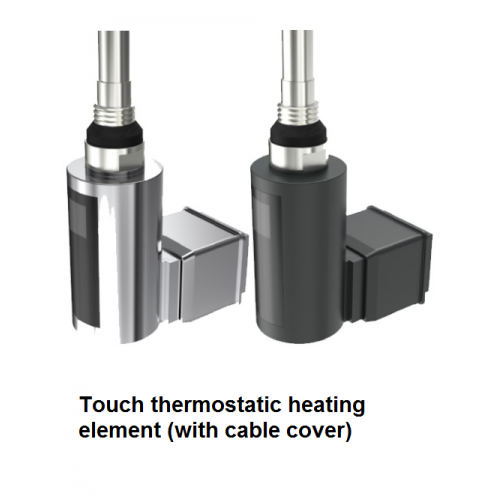
A touch control element has a built-in timer and temperature sensor. You can set it to turn on only for two hours in the morning to dry your towels and then turn off automatically. This means you do not waste electricity heating a towel rail all day when nobody is using it.
What is the danger of energizing the electric heating element if the towel rail has not been properly filled with liquid?
If you turn on the heater when the rail is empty it is called a dry burn. The metal rod gets incredibly hot in seconds because there is no water to take the heat away. This will destroy the heating element immediately and it will stop working forever. Always fill the rail with water before turning on the power.
Why is the placement of the electric heating element restricted to the vertical bottom entry of the towel rail?
Heat always rises. By putting the heater at the very bottom the hot water rises up through the vertical bars and pushes the cold water down. This creates a natural flow that heats the whole rail evenly. If you put it at the top the heat would stay at the top and the bottom would remain cold.
How can I identify if my existing central heating radiator is suitable for conversion to a dual fuel system?
Look at the pipes. If your radiator has standard water pipe connections at the bottom corners it can usually be converted. You just need to check if there is enough space between the radiator and the floor to fit the T-Piece and the new electric wire.
What steps should be taken if the pressure inside a dual fuel towel rail rises significantly during electric operation?
If the pressure gets too high you might see water dripping from the joints. To fix this turn off the electric heater and let it cool down. Then slightly open the top bleed valve to let some air pressure out. Remember to close the bleed valve again before you turn the central heating back on in winter.
Is it possible to use a smart Wi-Fi enabled heating element to control my bathroom heating remotely via a smartphone?
Yes you can. We sell smart elements that connect to your home internet. You can use an app on your phone to turn the heating on before you get home from work or set a schedule for the whole week. This is the most energy-efficient way to manage your bathroom heating.
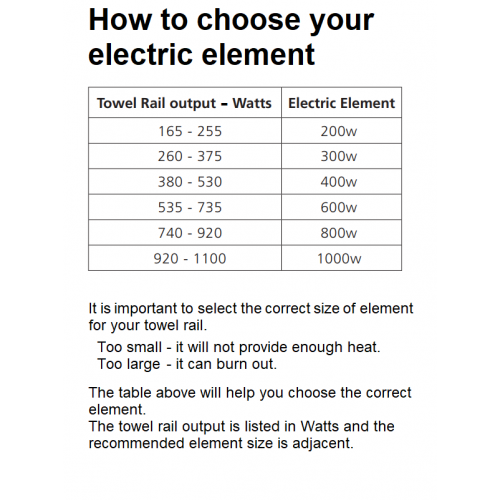
What is the typical wattage range for electric heating elements and how do I match it to my radiator size?
Elements usually range from 150 Watts to 600 Watts. You should choose an element that provides slightly less heat than the radiator can handle. For example if your radiator is rated for 500 Watts of heat use a 400 Watt element. This prevents the liquid inside from boiling over.
Why do some electric-only towel rails require a liquid filling service while others come pre-filled?
Some rails are sold empty so they are lighter to ship. You or your plumber must fill them at home. Pre-filled rails are done at the factory with the correct anti-rust liquid and sealed tight. Pre-filled options are easier for you because you just hang them on the wall and wire them in.
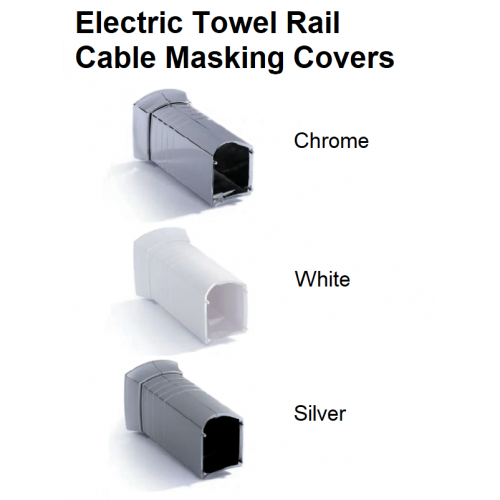
How does the use of a cable masking cover enhance the aesthetic and safety of the installation?
A masking cover is a small metal tube or plate that hides the electric wire coming out of the heating element. It makes the radiator look neat and tidy by hiding the ugly cable. It also adds a layer of protection to the wire so it cannot be pulled or damaged easily.
What are the maintenance requirements for the electric heating element in a dual fuel system to ensure longevity?
The electric element is very reliable but you should check it once a year. Look for any damage to the wire. Also during the winter when you are using the central heating it is good practice to turn the electric element on for just 15 minutes once a month. This stops it from seizing up and keeps it ready for summer.