
The Colossus Traditional Towel Radiators Products
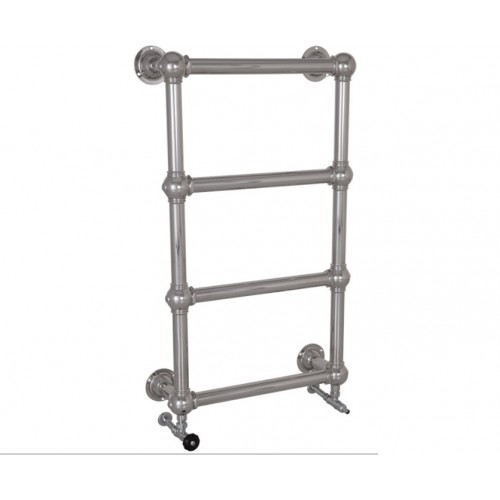
Showing 1 to 1 of 1 (1 Pages)
Frequently Asked Questions
Why is the premium grade steel construction of the Carron Colossus range technically superior for period style heating?
The Carron Colossus range utilizes premium grade steel which offers a higher tensile strength than standard mild steel allowing for the construction of robust oversized tubing without compromising structural integrity. This material choice ensures that the radiator can withstand the high operating pressures of modern central heating systems while maintaining the authentic heavy duty aesthetic of traditional Victorian fixtures. The steel also provides excellent thermal conductivity ensuring rapid heat transfer from the water to the towel rail surface.
What are the technical maintenance differences between the Polished Chrome Polished Nickel and Polished Copper finishes?
While all three finishes are plated onto the steel core they require different care regimes to maintain their luster. Polished Chrome is the most durable and resistant to tarnishing requiring only a wipe with a damp cloth. Polished Nickel has a warmer hue but can develop a natural patina over time if not polished regularly with a specialized non abrasive metal cleaner. Polished Copper is a living finish that will naturally oxidize and darken to a verdigris color unless sealed or polished frequently to maintain its bright salmon pink appearance.
How does the 38mm tube diameter of the Carron Colossus affect the heat output compared to standard 30mm rails?
The Carron Colossus features 38mm diameter tubing which is technically significantly larger than the standard 30mm tubes found on most towel rails. This increase in diameter results in a larger surface area for heat exchange allowing the radiator to emit more radiant heat into the room and transfer thermal energy more efficiently to hanging towels. This design characteristic allows the rail to achieve a heat output of 673 BTUs despite having only four bars.
What are the structural wall requirements for installing the Carron Colossus given its weight and 186mm depth?
The Carron Colossus has a substantial depth of 186mm and a significant wet weight due to its large internal water volume and heavy gauge steel construction. Technically this means it exerts a high leverage force on the wall brackets. You must ensure the wall is solid masonry or if fixing to a stud wall that substantial timber noggins are installed behind the plasterboard to anchor the screws securely. Relying on standard plasterboard fixings is not sufficient for this heavy duty rail.
Can the Carron Colossus be converted for dual fuel usage to provide summer heating?
Yes the Carron Colossus is technically compatible with dual fuel conversion. To achieve this you must install a T piece connector and a properly rated electric heating element into one of the vertical collectors. This setup allows the rail to be heated via the central heating system in winter and electrically in summer. You must ensure the heating element wattage matches the thermal fluid volume of the radiator to prevent overheating or inefficient warming.
What does the Delta T 50C rating indicate regarding the 673 BTU output of the 1000mm x 600mm model?
The Delta T 50C rating signifies the standard industry baseline where the heat output is measured with a temperature difference of 50 degrees Celsius between the mean water temperature in the radiator and the ambient room air. Knowing that the Carron Colossus outputs 673 BTUs at this specific Delta T allows you to accurately calculate if it can offset the heat loss of your bathroom or if it should be treated primarily as a towel warmer rather than a room heater.
What type of radiator valves are technically required for the Carron Colossus installation?
The Carron Colossus requires standard 15mm radiator valves but due to its period design it is best paired with traditional style crosshead or lever valves. Technically you need to assess your pipework entry point. Since this is a wall mounted rail if your pipes come from the floor you will need angled valves. If your pipes come from the wall you will need corner valves or angled valves with the head rotated to ensure the thermostatic head or handwheel does not protrude awkwardly into the room.
Is the 10 Year Guarantee valid if the radiator is installed on a secondary hot water loop?
The 10 Year Guarantee typically covers manufacturing defects on the condition that the radiator is installed on a closed loop central heating system treated with a chemical inhibitor. Installing steel radiators like the Carron Colossus on a secondary hot water loop where fresh oxygenated water flows constantly can cause rapid internal corrosion. You must technically verify if the specific steel grade is treated for sanitary water use otherwise it should only be used on sealed heating circuits.
How does the four bar configuration impact the drying performance and air circulation?
The four bar design of the Carron Colossus uses wide spacing between the heated tubes. Technically this open configuration maximizes air circulation around the towels preventing moisture from being trapped in the fabric which accelerates the drying process. Unlike ladder rails with closely packed rungs the wide spacing allows for thicker bath sheets to be draped easily without compressing the pile ensuring the towel remains fluffy and warm.
What specific pipe center measurements should be used for the rough in of the Carron Colossus?
You should never rough in pipework based solely on the published width of 600mm. The technical pipe center measurement depends on the specific valves chosen as they add width to the installation. The standard rule is the radiator width plus approximately 80mm to 90mm for the valves. However to avoid costly tiling errors you must physically measure the radiator with the valves attached before fixing the pipes in their final position.