
Abbey Manual Valve Range Products
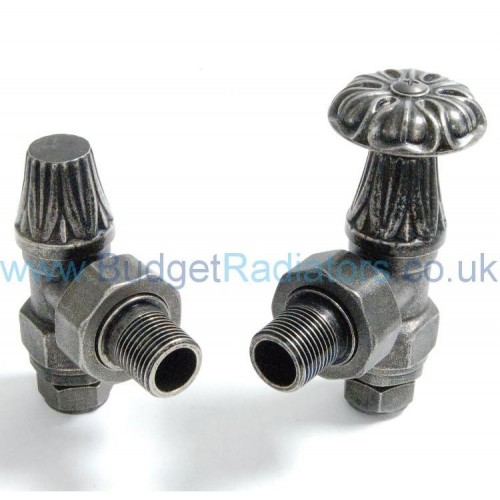
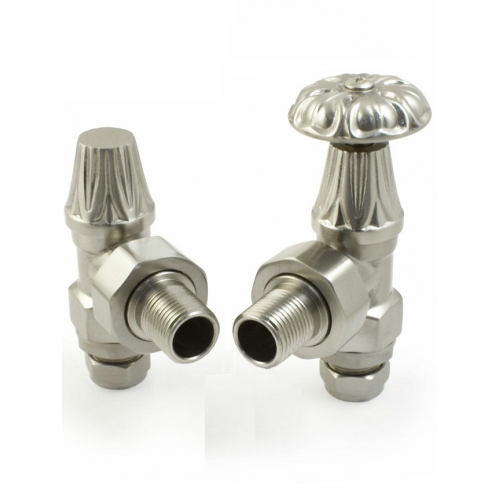
Showing 1 to 6 of 6 (1 Pages)
Frequently Asked Questions
What is the technical difference between the Abbey manual valves and standard thermostatic radiator valves?
The primary technical difference is the method of flow regulation. The Abbey manual radiator valves function as a simple mechanical tap that remains in a fixed position set by the user allowing a constant flow of water regardless of room temperature. In contrast a thermostatic valve uses a wax or liquid sensor to automatically open and close based on the ambient heat. Manual valves are the best problem solving choice for bathrooms or rooms containing the main house thermostat where automatic valves can cause system conflicts and boiler cycling issues.
Can the Abbey manual valve range be installed on existing 15mm central heating pipework?
Yes the Abbey manual valve range is engineered with a standard 15mm compression inlet which is the most common size for UK residential heating systems. The valve body includes a nut and olive that creates a watertight seal directly onto 15mm copper or plastic barrier pipe. If your system uses older imperial measurements or different diameters like 22mm you will need to use specific reducers or adapters to ensure the compression fitting tightens correctly without leaking.
How do I balance my heating system using the lockshield valve included in the Abbey set?
The set includes one wheel head valve for daily use and one lockshield valve for balancing. To balance the system you must remove the decorative cap from the lockshield valve and use a tool usually an Allen key or spanner to adjust the internal spindle. By restricting the flow through the lockshield on radiators closer to the boiler you force more hot water to travel to radiators further away. This technical process ensures that all radiators in the property heat up at the same rate and reach their maximum temperature efficiently.
What are the maximum pressure and temperature ratings for the Abbey manual valves?
These valves are constructed from heavy duty solid brass capable of withstanding significant system stress. The maximum operating pressure is rated at 10 Bar which is well above the standard 1 to 2 Bar pressure found in most domestic combi boiler systems. The maximum operating temperature is 110 degrees Celsius. For high pressure commercial systems you must ensure the differential pressure does not exceed 1 Bar to prevent water hammer noise and potential mechanical damage to the valve seat.
How should I clean and maintain the Old English Brass finish to prevent corrosion?
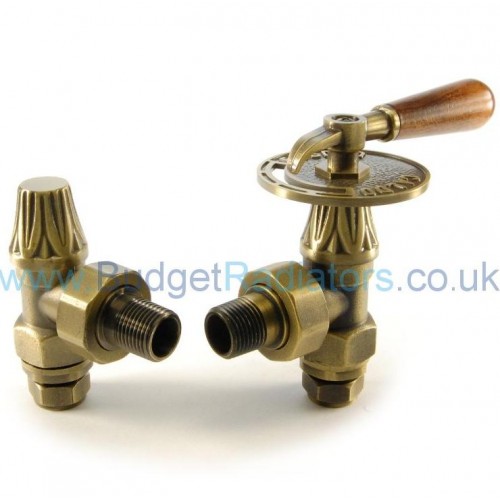
The Old English Brass finish is an un-lacquered living finish designed to age naturally and develop a patina over time. To maintain its appearance you should avoid using harsh chemical cleaners or abrasive scouring pads as these will strip the finish and leave shiny brass exposed. The best problem solving approach for maintenance is to wipe the valves gently with a soft dry cloth. If you wish to remove the patina and restore the shine you can use a specific brass polish but many users prefer the authentic aged look that develops naturally.
Is the flow direction important when installing Abbey manual radiator valves?
Unlike some bi-directional thermostatic valves manual valves are less sensitive to flow direction but correct installation is still vital for noise reduction. It is technically best practice to install the wheel head or lever valve on the flow pipe where hot water enters the radiator and the lockshield valve on the return pipe where water exits. Identifying the flow and return pipes before installation prevents turbulence noise and ensures the heating system operates quietly and efficiently.
Can I use the Abbey manual valves on cast iron radiators with 3/4 inch connections?
Yes although the standard coupler supplied with the Abbey range is a 1/2 inch BSPT male thread many traditional cast iron radiators feature larger 3/4 inch tapping points. To solve this compatibility problem you can purchase 1/2 inch to 3/4 inch adapters or bushes. These adapters screw into the radiator first allowing the standard Abbey valve tail to screw securely into place. This allows you to combine modern valve manufacturing standards with vintage radiator specifications.
What is the advantage of the throttle lever design compared to the standard wheel head?
The throttle lever design offers a mechanical advantage making it easier to operate for users with limited grip strength or mobility issues. Instead of gripping and twisting a round knob users can simply push or pull the lever to open or close the valve. Technically the internal mechanism remains the same employing a screw down spindle to seal the flow but the lever provides a clear visual indication of whether the valve is open or closed adding to both the functionality and the unique aesthetic of the product.
How do I protect the real wood handles on the Abbey lever valves from heat damage?
The real wood handles on the Abbey lever variation are treated to withstand standard radiator temperatures but extreme heat or moisture can eventually cause drying. To ensure longevity you should avoid hanging wet towels directly over the valve head as the trapped moisture and heat can degrade the wood varnish. If the wood appears dry over time applying a small amount of natural wax or timber oil can nourish the material and prevent cracking ensuring the valve retains its premium look for the 6 year guarantee period.
Why is a manual valve recommended for the room with the main wall thermostat?
Installing a thermostatic valve in the same room as your main wall thermostat creates a technical conflict known as fighting. If the TRV shuts off the radiator before the wall thermostat reaches its target temperature the boiler will continue firing indefinitely to try and heat a room that has no heat source. Using an Abbey manual valve in this specific area ensures the radiator stays hot whenever the heating is on allowing the wall thermostat to accurately read the room temperature and shut off the boiler effectively saving energy and preventing system wear.