
Westminster Manual Valve Range Products
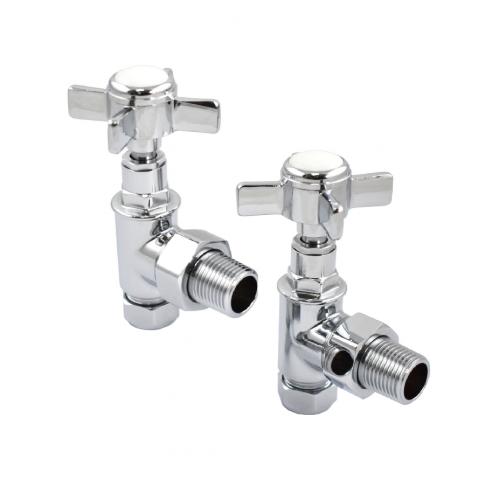
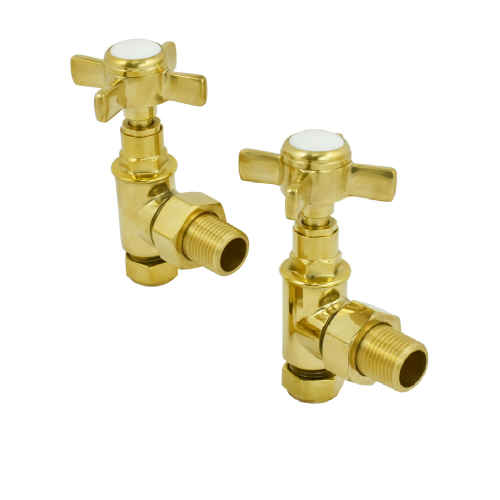
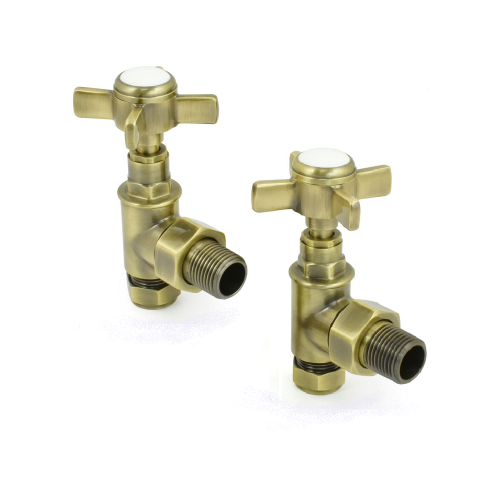
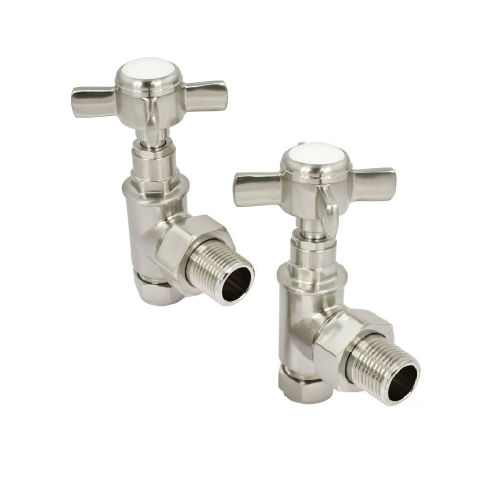
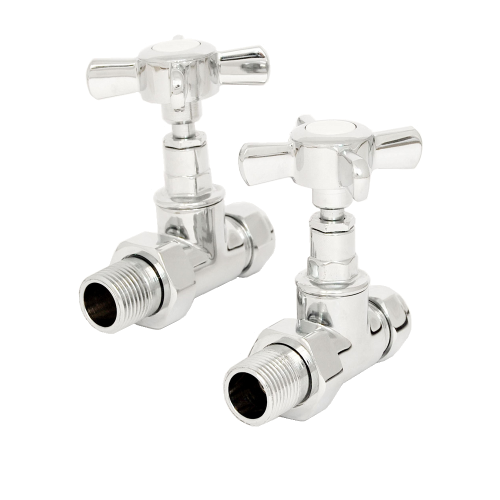
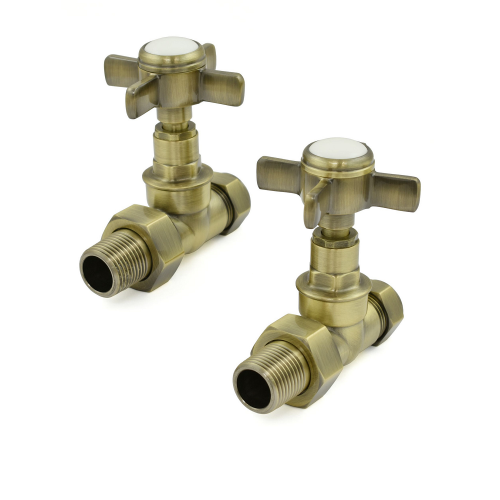
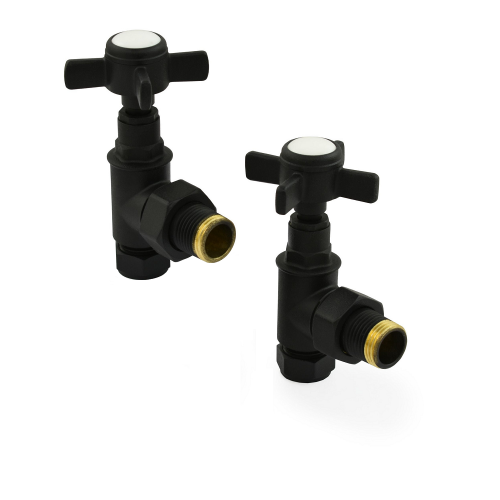
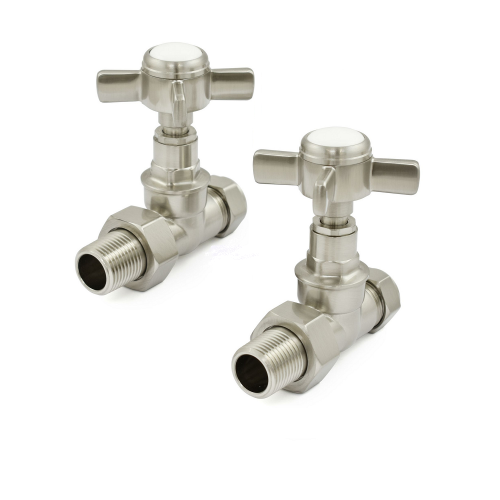
Showing 1 to 8 of 8 (1 Pages)
Frequently Asked Questions
What is the main technical advantage of the real ceramic indices used on the Westminster range?
The technical advantage of real ceramic indices over plastic alternatives is their thermal stability and wear resistance. In a heating environment plastic caps can become brittle discolour or fade due to constant exposure to high temperatures up to 80 degrees Celsius. The ceramic indices on the Westminster manual valves are fired at high temperatures ensuring they remain white glossy and legible for the entire lifespan of the product without cracking or yellowing under heat stress.
How does the manual operation of the Westminster valve differ from a thermostatic valve?
The Westminster manual valve operates via a simple screw down spindle mechanism that mechanically restricts or opens the water flow passage. Unlike a thermostatic valve which contains a wax element that expands to shut off flow automatically when the room reaches a set temperature the Westminster valve remains at the exact flow rate you set it to. This makes it the best problem solving solution for rooms where you require constant heat output or for radiators situated in the same room as a main wall thermostat to prevent control conflicts.
What are the maximum pressure and temperature limits for these valves?
The Westminster valve range is engineered for high performance systems. The maximum operating pressure is rated at 10 Bar which covers all standard domestic and most commercial heating systems. The maximum differential pressure the difference in pressure between the flow and return pipes should not exceed 1 Bar to prevent noise. The valves can withstand a maximum water temperature of 120 degrees Celsius making them compatible with standard boilers and high temperature solid fuel systems.
Can I install Westminster manual valves on microbore pipework?
The Westminster range is manufactured with a standard 15mm compression inlet. However if you have 8mm or 10mm microbore pipework you can solve this compatibility issue by using a specific pipe reducer. The reducer sits inside the valve compression nut and reduces the internal diameter to grip the smaller pipe securely. This allows you to install these heavy duty traditional valves on modern microbore plumbing systems without leaks.
How do I maintain the Unlacquered Brass finish option?
The Unlacquered Brass finish is technically classified as a living finish meaning it has no protective coating and will react with oxygen to develop a natural dark patina over time. If you prefer the shiny polished brass look you must polish the valves regularly with a branded brass cleaner. If you prefer the aged vintage look you simply leave the valves alone and allow the oxidisation process to occur naturally. Avoid using abrasive scouring pads as these will scratch the soft brass surface permanently.
Is the Westminster manual valve range bi directional?
Yes the Westminster manual valve range typically utilizes a generic flow design that allows them to be installed on either the flow or return pipework. However for the best acoustic performance and to minimize turbulence noise it is always recommended to install the valve acting as the flow control usually the wheelhead on the pipe where the hot water enters the radiator. This ensures the water flows over the seat rather than against it reducing wear on the washer.
What is the function of the lockshield valve supplied in the set?
The set includes one wheelhead valve with the crosshead handle for daily operation and one lockshield valve for system balancing. The lockshield valve has a matching cap but is designed to be set once during installation and then left alone. By removing the cap and adjusting the internal spindle with a tool you can restrict the flow to that specific radiator. This technical process ensures that the radiator offers the correct resistance to the pump forcing hot water to travel to other radiators further away in the circuit.
Are these valves compatible with cast iron radiators that have 3/4 inch connections?
The Westminster valves come with a standard 1/2 inch BSPT British Standard Pipe Taper male tail. Many older or large cast iron radiators have 3/4 inch female tapping points. To install the Westminster range on these radiators you will need to purchase a 1/2 inch to 3/4 inch bush or adapter. This adapter screws into the radiator first reducing the hole size to accept the standard Westminster valve tail ensuring a watertight fit on vintage equipment.
What tools are required for the installation of the Westminster Crosshead valves?
To install these valves you will need an adjustable spanner or a specific smooth jawed wrench to tighten the compression nuts without damaging the decorative finish. You will also need a PTFE tape or a liquid pipe sealant to wrap around the threaded tails before screwing them into the radiator. For the lockshield adjustment you may need a small Allen key or a flat head screwdriver depending on the specific internal spindle design of the batch.
Why is the Westminster range recommended for bathrooms with heated towel rails?
Bathrooms often experience rapid temperature fluctuations due to showers and baths which can cause thermostatic valves to shut off prematurely leaving towels damp. The Westminster manual valve solves this problem by providing a fixed constant flow of hot water regardless of the air temperature. This ensures your towel rail remains hot enough to dry towels effectively at all times and the chrome or nickel finishes are highly resistant to the humid environment preventing rust and corrosion.