
Delta TRV Range Products
Frequently Asked Questions
How do I determine if Delta Thermostatic Radiator Valves are compatible with my existing central heating pipework?
To ensure compatibility, you must verify the pipe size and the radiator tapping size. Delta Thermostatic Radiator Valves differ from some commercial valves by using a standard 15mm compression connection which fits the majority of UK residential copper piping. Additionally, the threaded end that goes into the radiator is a standard 1/2 inch BSP thread. If your pipework is 15mm and your radiator has standard 1/2 inch openings, these valves will fit securely without the need for additional adapters.
What is the technical difference between Angled, Straight, and Corner Delta TRV configurations?
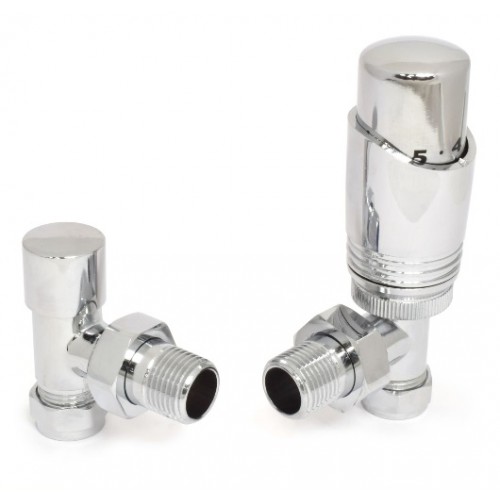
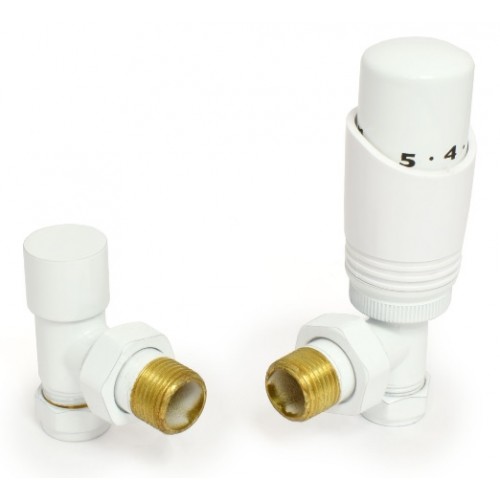
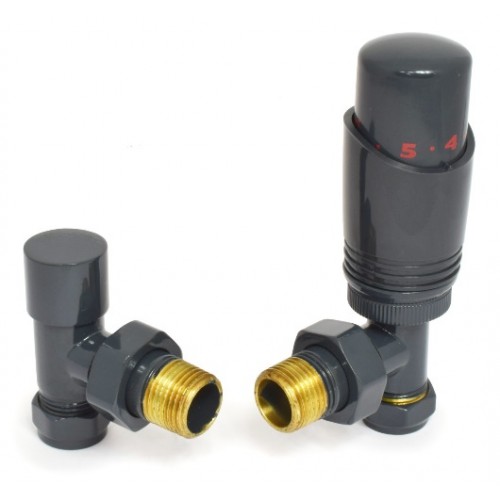
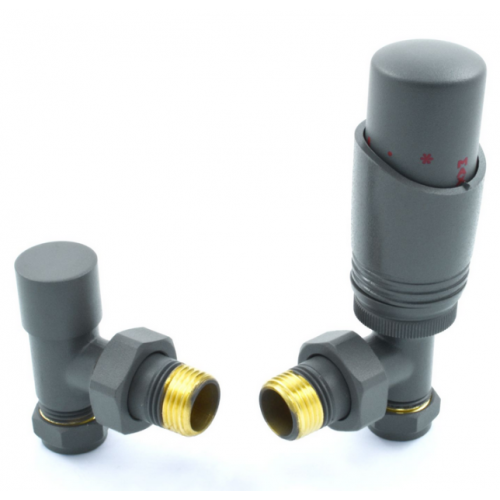
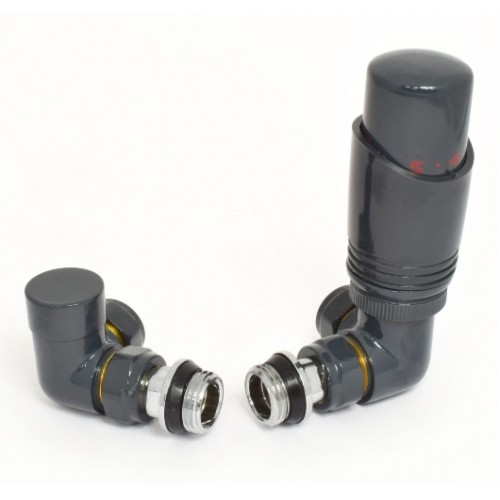
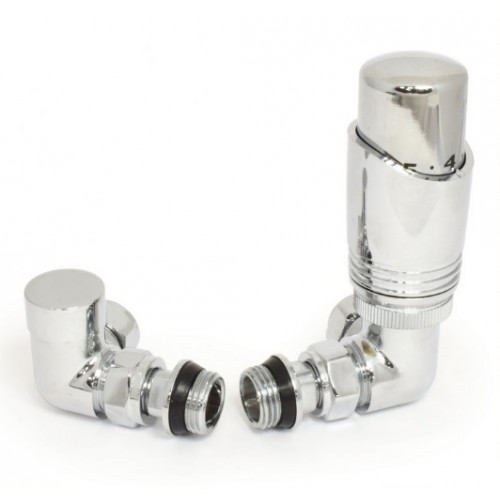
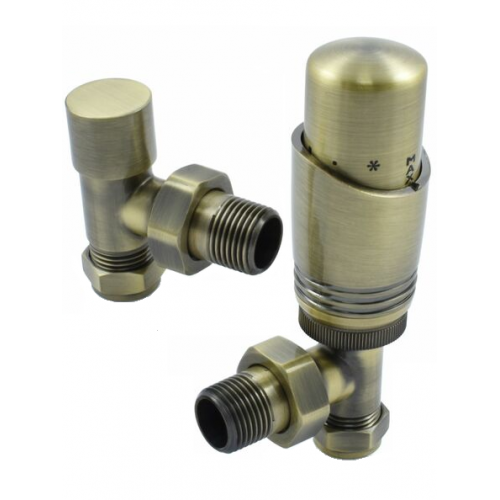
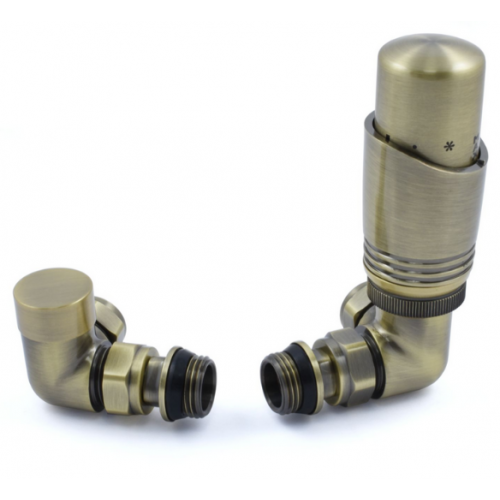
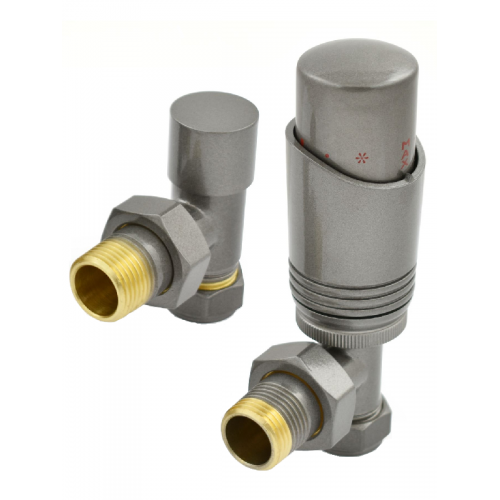
Choosing the correct shape depends on the angle of your water feed pipes relative to the radiator. An Angled TRV is used when pipes come up from the floor and connect to the side of the radiator. A Straight TRV is required if pipes run along the wall directly into the valve or come up from the floor into a radiator with underneath connections. A Corner TRV is a specialized solution for pipes coming out of the wall to connect to the side of the radiator, allowing the valve head to sit inward for a neat finish that does not protrude into the room.
How does the liquid sensor in the Delta Thermostatic Valve regulate room temperature efficiently?
The Delta TRV head contains a sensitive liquid sensor element that expands and contracts based on the ambient room temperature. When the room reaches your set temperature, the liquid expands and pushes a pin down to close the valve, restricting hot water flow. When the room cools, the liquid contracts, the pin rises, and hot water flows again. This automatic regulation improves central heating efficiency by ensuring energy is not wasted heating a room that is already warm.
Can Delta Twin Thermostatic Valve Sets be installed on any standard radiator?
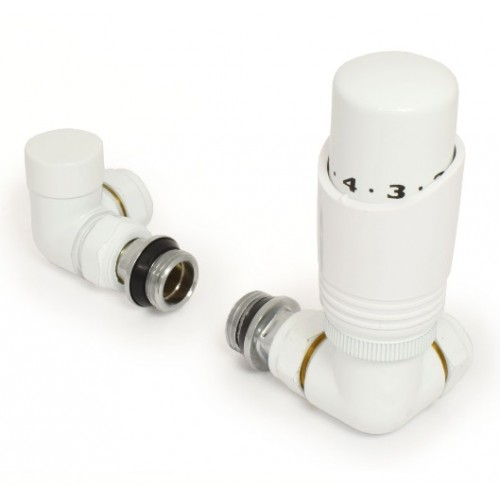
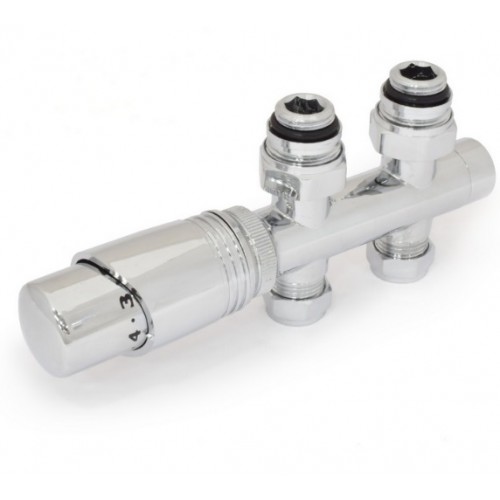
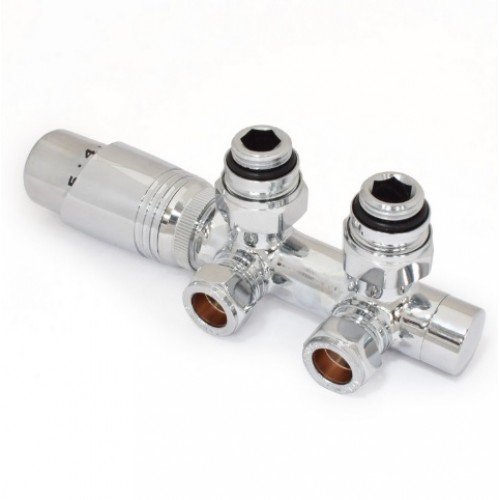
Delta Twin Sets, often called H-Block valves, are specifically designed for radiators or heated towel rails that have bottom center connections with 50mm pipe centers. They consolidate the flow and return connections into a single unit, which streamlines installation and hides pipework. They are not suitable for standard radiators where the valve connections are located on the far bottom corners of the unit.
What is the function of the Lockshield valve included in the Delta valve set?
Every Delta TRV set comes with one wheel-head thermostatic valve and one matching lockshield valve. While the thermostatic head controls daily temperature, the lockshield is installed on the return side to balance the central heating system. By adjusting the lockshield, you restrict the flow of water leaving the radiator, ensuring the system pressure is balanced so that distant radiators heat up just as effectively as those near the boiler.
Do Delta Thermostatic Valves support bi-directional flow or must they be installed on the flow pipe?
Modern Delta valves are generally designed to be bi-directional, meaning they can function correctly on either the flow (water entering) or return (water leaving) pipe. However, for optimal performance and to eliminate the risk of water hammer
How do I troubleshoot a Delta TRV that is not heating up the radiator after a long period of inactivity?
If a radiator fails to heat up after summer, the internal pin inside the valve body may be stuck in the closed position due to debris or limescale. To fix this, remove the thermostatic head by unscrewing the collar. You will see a small metal pin. Gently push the pin down and release it to see if it springs back. If it is stuck, tap the side of the valve body gently or use pliers to carefully work the pin up and down until the spring mechanism releases, restoring water flow.
Does the Delta valve range offer frost protection for rooms that are rarely used?
Yes, the Delta Thermostatic Radiator Valve includes a frost protection setting, usually indicated by a snowflake symbol on the dial. When set to this position, the valve remains closed unless the room temperature drops below approximately 7 degrees Celsius. At this point, the valve opens slightly to allow warm water to circulate, preventing the radiator water and pipes from freezing and causing burst pipes during cold weather.
What maintenance is required to keep the finish of Delta valves like Antique Brass or Gunboat Grey in good condition?
To maintain the 10-year guarantee and the aesthetic quality of finishes such as Antique Brass, Gunboat Grey, or Chrome, you should avoid using acidic or abrasive chemical cleaners. Technically, these harsh substances can strip the lacquer or plating from the brass body. The recommended maintenance is to wipe the valves with a soft, damp cloth and warm water. This prevents corrosion of the external surface while the internal brass components remain durable against heating system water.
Why is a drain-off feature not standard on all Delta radiator valves?
Standard Delta Angled or Straight TRVs typically do not include a drain-off point because they are designed for aesthetics in modern interiors. A drain-off point is a small spout used to empty the system for maintenance. If your system requires a drain-off point at the radiator, you may need to install a separate drain-off cock on the pipework itself or select a specific valve variant that explicitly states it includes a drain-off feature, though this is less common in designer valve sets like the Delta range.