
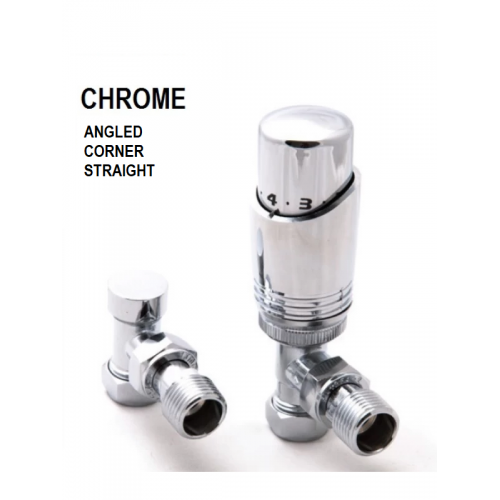
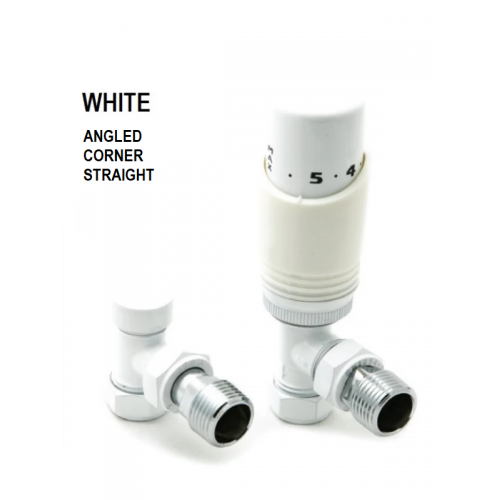
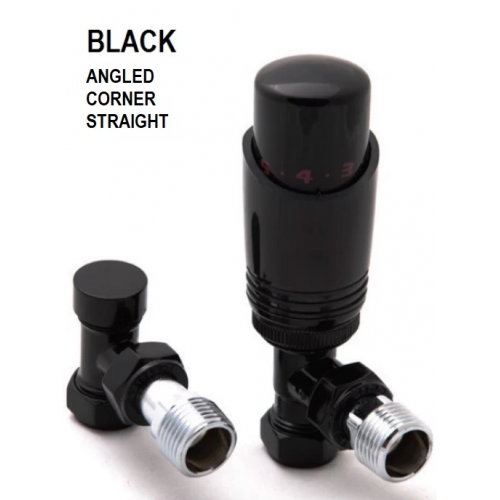
Modal TRV Range Products
Showing 1 to 7 of 7 (1 Pages)
Frequently Asked Questions
How do I confirm if Reina Modal Thermostatic Valves are compatible with my specific central heating pipework and radiator connections?
To ensure technical compatibility, you need to verify your pipe diameter and radiator inlet size. Reina Modal valves are manufactured with standard 15mm compression fittings, which connect directly to the 15mm copper or plastic piping found in most modern UK central heating systems. The threaded tail that screws into the radiator is a standard 1/2 inch BSP (British Standard Pipe) thread. If your system uses older imperial pipes or smaller microbore pipes (like 10mm or 8mm), you can still use these valves but you will need to purchase separate pipe reducers or adapters to ensure a watertight seal.
When is it technically better to use a Reina Modal Corner Valve instead of an Angled Valve for wall fed pipes?
While both Angled and Corner valves can physically connect pipes coming from the wall to the side of a radiator, the Reina Modal Corner Valve is the superior technical choice for aesthetics and space saving. An Angled valve on wall-pipes points the TRV head outward into the room, which can be an obstruction and looks untidy. A Corner valve changes the orientation by 90 degrees, allowing the thermostatic head to sit parallel to the wall (inward or upright depending on installation), creating a streamlined look and reducing the risk of accidental knocks to the valve head.
How does the thermostatic sensor in the Reina Modal valve technically operate to improve energy efficiency?
The Reina Modal TRV head contains a heat-sensitive liquid or wax element that expands as the room air temperature rises. As this element expands, it pushes a valve pin downwards, gradually closing the valve aperture and restricting the flow of hot water into the radiator. Once the room reaches the set temperature, the flow stops completely. When the room cools, the element contracts and the valve re-opens. This constant, automatic adjustment ensures the boiler only generates heat when necessary, significantly reducing energy consumption compared to manual valves.
Can I install the Reina Modal Thermostatic Valve on the return pipe to prevent water hammer noise?
Yes, Reina Modal valves are typically designed as bi-directional, meaning they can control the flow of water in either direction. However, to prevent water hammer
What is the specific function of the Lockshield valve included in the Reina Modal set and how do I adjust it?
The Lockshield valve, included in the set alongside the TRV, is a crucial component for balancing your central heating system. While the TRV is user-operated, the Lockshield is set during installation to control the maximum flow rate of water leaving the radiator. By tightening the Lockshield, you create resistance that forces hot water to travel to radiators further away from the boiler. Correctly adjusting this valve ensures that all radiators in the house heat up evenly, rather than just those closest to the pump.
How should I maintain the special finishes like Oiled Bronze or Anthracite on Reina Modal valves to prevent corrosion?
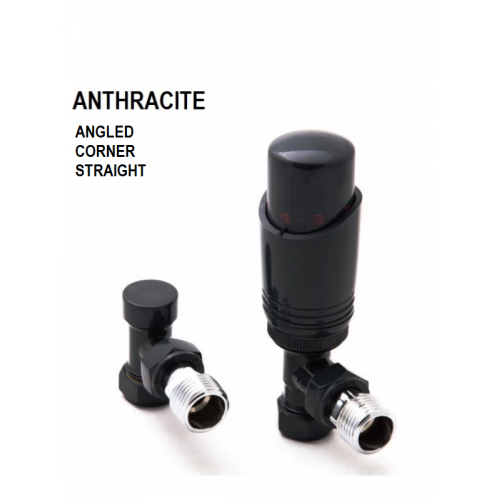
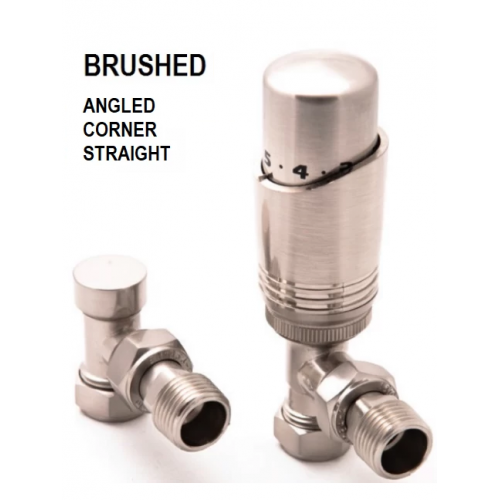
Special finishes like Oiled Bronze, Brushed, or Anthracite require specific care to maintain their appearance and the validity of the 10 year guarantee. Technically, these are decorative coatings over a brass body. You must avoid using abrasive scouring pads, acidic bathroom cleaners, or bleach-based sprays, as these will strip the lacquer and cause the finish to peel or tarnish. The correct problem-solving approach for cleaning is to use a soft microfiber cloth dampened only with warm water to remove dust and fingerprints without chemically attacking the surface.
How do I troubleshoot a Reina Modal TRV that is not turning off the radiator when the room is already hot?
If the radiator remains hot despite the room being above the set temperature, the issue is often debris preventing the valve seat from sealing or the sensor head being blocked. First, ensure the TRV head is not covered by curtains or furniture, which creates a false cool micro-climate around the sensor. If airflow is clear, remove the head and check the pin. If the pin moves freely but the water still flows, dirt may be lodged in the valve seat. In this case, the valve body may need to be removed and flushed or replaced to ensure it can fully close the port.
Does the Reina Modal Thermostatic range offer a frost protection setting for unheated rooms?
Yes, the Reina Modal TRV includes a frost protection position, typically marked by a snowflake or star symbol on the dial. In this technical setting, the valve remains fully closed to save energy but is calibrated to open automatically if the ambient temperature drops to approximately 7 degrees Celsius. This feature allows a small amount of warm water to circulate through the radiator, preventing the water inside the unit from freezing, expanding, and causing catastrophic splits in the radiator metal or pipework during winter.
What is the difference between the Oiled Bronze and Bronze finishes in the Reina Modal range?
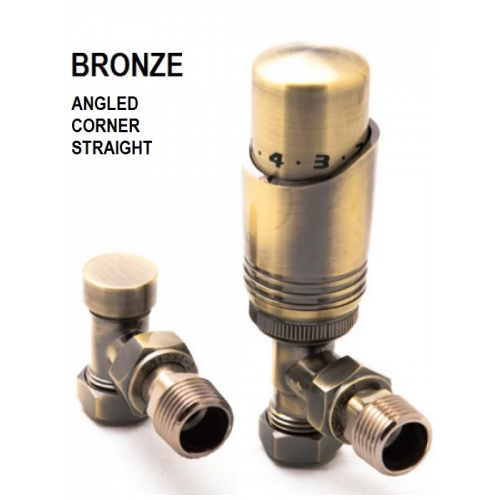
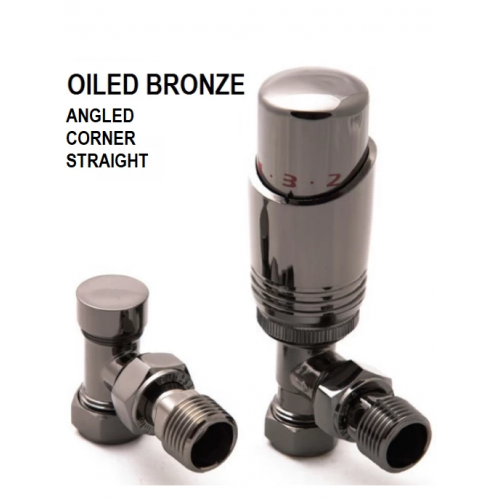
These finishes cater to different aesthetic needs but have distinct visual characteristics. The Bronze finish is typically a uniform, metallic brown tone suitable for classic interiors. The Oiled Bronze finish offers a more rustic, antique appearance, often featuring a darker, matte texture that simulates the natural patina of aged metal. When selecting for a problem-solving design match, choose Oiled Bronze for traditional or industrial style radiators (like cast iron styles) and standard Bronze or Copper for warmer, contemporary schemes.
Why is PTFE tape or jointing compound necessary when installing Reina Modal valves into the radiator?
When screwing the valve tail into the radiator, the metal-to-metal thread does not form a watertight seal on its own. You must use PTFE (Plumber's Tape) or a suitable pipe jointing compound on the threads of the valve tail. Technically, this fills the microscopic gaps between the threads of the tail and the radiator tapping. If you skip this step, water will leak from the connection point under pressure. Wrap the tape clockwise around the thread to ensure it stays in place as you tighten the component into the radiator.