
Rosa Manual Valve Range Products
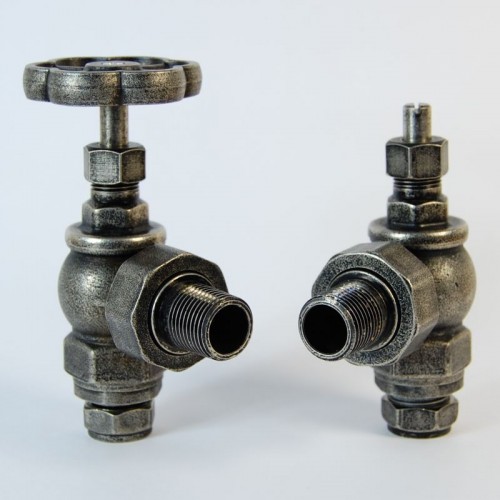
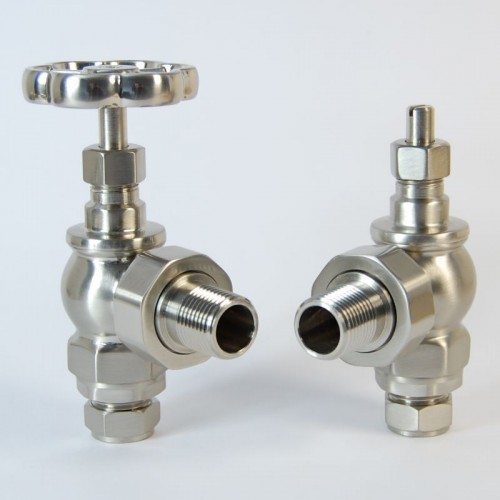
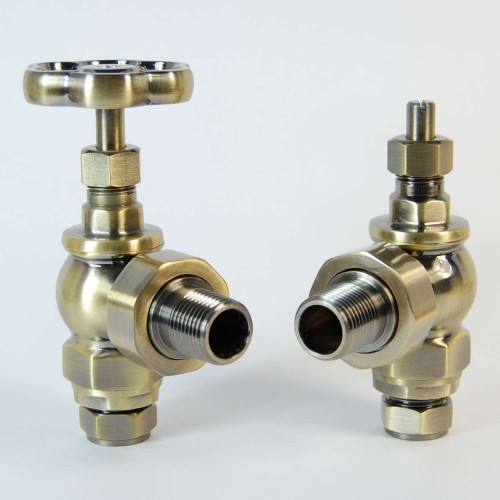
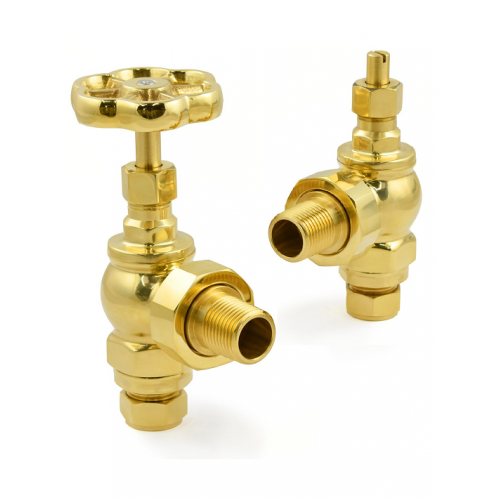
Showing 1 to 4 of 4 (1 Pages)
Frequently Asked Questions
How do I technically determine if the Rosa Traditional Manual Valve is the correct size for my central heating pipework?
To ensure the Rosa valve fits your system, you must measure the outer diameter of your copper or plastic heating pipes. The standard Rosa valve comes with a 15mm compression fitting, which is the industry standard for the majority of UK residential heating systems. However, this specific range also uniquely offers an 8mm option. You should use a vernier caliper to measure your pipe width; if it is 15mm, the standard set is perfect. If you have older microbore pipework measuring 8mm or 10mm, you must select the specific reducer or the 8mm valve variant to ensure a watertight compression seal without needing extra adapters.
Why is the Rosa Manual Valve technically preferred over a thermostatic valve for bathrooms and rooms with a wall thermostat?
The Rosa Manual Valve provides a fixed aperture for water flow, meaning it does not automatically shut off when the room gets warm. This technical feature makes it the ideal problem solving solution for bathrooms where you want the towel rail or radiator to remain hot constantly to dry damp towels. Furthermore, if you have a main wall thermostat in a specific room, installing a manual valve like the Rosa prevents the conflict that occurs if a thermostatic valve shuts off the radiator before the main wall thermostat has reached its target temperature, which would otherwise confuse the boiler logic.
What is the difference between the Unlacquered Brass finish and the Antique Brass finish in the Rosa range?
Technically, the Antique Brass finish is a treated surface that has been chemically aged and then sealed with a lacquer to maintain that specific colour permanently. In contrast, the Rosa Unlacquered Brass is a raw, living finish without a protective coating. This means the brass will react with oxygen and moisture in the air to naturally darken and develop a unique patina over time. If you want a consistent look that does not change, choose Antique Brass. If you want a valve that ages authentically alongside a vintage cast iron radiator, the Unlacquered Brass is the correct technical choice.
How does the solid brass construction of the Rosa valve prevent heating system leaks and corrosion?
The Rosa range is machined from high grade solid brass, which is non ferrous and highly resistant to the corrosive effects of central heating water. Cheaper valves often use zinc alloys which can degrade or suffer from dezincification, leading to pinhole leaks and structural failure. The brass body of the Rosa valve is strong enough to withstand the thermal expansion and contraction cycles of the heating system without cracking, ensuring that the compression joint on the pipe and the threaded seal into the radiator remain watertight for the duration of the 10 year guarantee.
How do I install the Rosa Manual Valve to ensure the ornamental wheel head is aligned correctly?
When installing the Rosa valve, the orientation of the valve body is determined by the pipework, but the alignment of the handle is purely aesthetic. To ensure the flower pattern wheel head looks symmetrical, install the valve body onto the pipe and radiator first. Once tightened and water tight, you can often remove the top screw holding the wheel head, lift the handle off the splined spindle, and rotate it to your preferred position before securing it back down. This ensures that when the valve is in the fully open or closed position, the ornamental design is displayed exactly how you want it.
Can the Rosa Manual Valve range withstand the high pressure of a modern unvented hot water system?
Yes, despite its traditional Victorian appearance, the Rosa valve is engineered to modern technical specifications. It is rated to withstand working pressures significantly higher than the standard 1.5 to 2.0 bar found in most domestic combi boiler and unvented cylinder systems. The internal valve seating uses high quality washers and glands that prevent weeping under pressure. This makes the Rosa range a safe and reliable choice for both open vented gravity systems found in older homes and high pressure pressurized systems found in modern renovations.
How do I maintain the smooth operation of the Rosa valve spindle if it becomes stiff over time?
If the ornamental wheel head becomes difficult to turn, it is likely that the internal spindle has become dry or slightly seized due to lack of use. To solve this problem, you can remove the decorative head to expose the brass spindle shaft. Apply a small amount of silicone based grease to the shaft and work it up and down or rotate it gently. Do not use petroleum based oils like WD40 as these can damage the rubber O-rings inside the gland. Regular adjustment of the valve, even in summer, prevents the internal components from seizing in one position.
What is the function of the Lockshield valve included in the Rosa Traditional Manual Valve set?
The Rosa valve set typically includes one wheel head valve for you to operate and one matching lockshield valve for the opposite side of the radiator. The lockshield valve has a cover cap that matches the wheel head but does not have a handle. Its technical function is to balance the system. You adjust the internal spindle of the lockshield to restrict the water flow on the return side. This creates hydraulic resistance which forces hot water to flow to radiators further away from the boiler, ensuring that your cast iron radiators heat up evenly across the entire house.
How do I solve the problem of installing Rosa valves on a radiator with different sized connections?
The Rosa valve has a standard 1/2 inch BSP threaded tail that screws into the radiator. Most modern and reproduction cast iron radiators use this 1/2 inch standard. However, some genuine antique radiators may have 3/4 inch or 1 inch connections. To solve this technical mismatch, you must purchase a radiator bush adapter. This metal ring screws into the large radiator opening and reduces the hole size down to accept the 1/2 inch tail of the Rosa valve. You must use plenty of PTFE tape or hemp and paste on both threads to ensure a leak free seal.
Why is the Rosa Angled Manual Valve recommended for pipes coming from the floor?
The Angled version of the Rosa valve is the correct technical configuration for pipes that emerge vertically from the floor because it creates a 90 degree turn into the side of the radiator. If you were to use a Straight valve in this scenario, the valve would stick out sideways into the room, looking unsightly and creating a trip hazard. The Angled design allows the valve head to sit neatly upright or facing forward, keeping the pipework compact and reducing the mechanical stress on the pipe joints caused by leverage.