
Abbey TRV Range Products
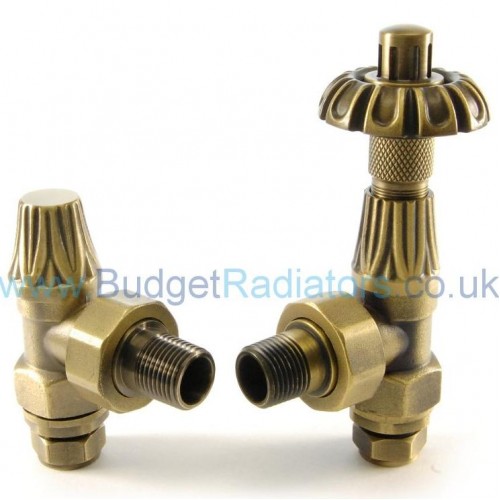
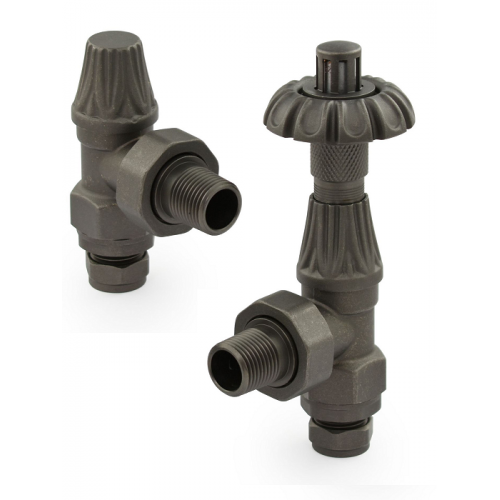
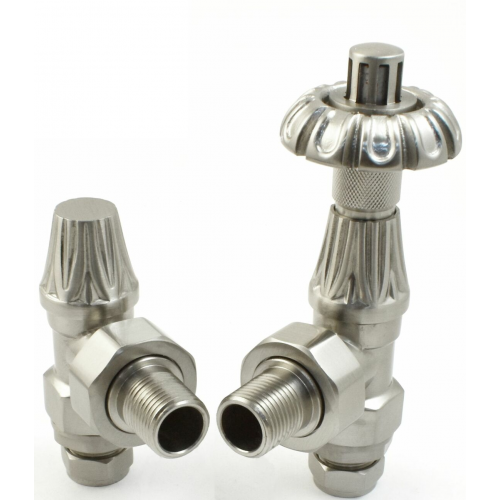
Showing 1 to 3 of 3 (1 Pages)
Frequently Asked Questions
How does the bi-directional flow feature simplify the installation of Abbey valves?
The Abbey TRV range uses a bi-directional internal mechanism which allows water to flow through the valve in either direction without causing radiator hammer or vibration. This solves the technical problem of identifying the flow and return pipes on older heating systems. You can install the thermostatic head on either the left or right side of the radiator based on your preference or accessibility without affecting the valve performance.
What special maintenance is required for the real wood handles on these valves?
Because the Abbey range features handles made from genuine sustainable wood, you must avoid cleaning them with damp cloths or chemical cleaning agents which can cause the wood to swell, crack, or lose its varnish. The correct technical maintenance involves simply dusting the wood with a dry soft cloth. This preserves the natural grain and prevents moisture ingress that could degrade the handle over time.
Why is the Lockshield valve included in the set and how is it adjusted?
The Lockshield valve is technically essential for balancing the central heating system. While the TRV controls the air temperature, the Lockshield restricts the water flow exiting the radiator to ensure the system pressure is evenly distributed. To adjust it, you remove the decorative cap and use a radiator spanner to open or close the internal spindle until the radiator heats up at the same rate as others in the loop.
Can these 15mm valves be installed on 10mm or 8mm microbore pipework?
The Abbey valves come with standard 15mm compression inlets. To install them on smaller microbore pipework (8mm or 10mm), you must use a technically compatible pipe reducer or adapter. You insert the reducer into the valve inlet before tightening the nut. This bridges the gap between the smaller copper pipe and the 15mm valve body, ensuring a watertight compression seal without soldering.
Does the Abbey TRV provide frost protection when the heating is turned off?
Yes, the Abbey thermostatic sensor includes a built-in frost protection setting, usually indicated by a snowflake symbol or the lowest dial position. When set to this position, the valve will automatically open if the ambient room temperature drops below approximately 7 degrees Celsius. This technical safety feature allows a small amount of warm water to flow, preventing the radiator water from freezing and bursting the pipes during winter.
How do I troubleshoot if the radiator continues to heat when the TRV is closed?
If the radiator remains hot even when the wood handle is turned to the off position, it usually indicates that the valve pin is not fully engaging or debris is trapped in the seat. To solve this, remove the thermostatic head by unscrewing the retaining collar and check if the metal pin on the valve body moves freely. Press it down a few times to loosen it. If debris is the issue, the system may need flushing to remove sludge preventing the seal.
Are the metal finishes like Old English Brass lacquered or living finishes?
Most finishes in the Abbey range, such as Chrome and Satin Nickel, are plated and sealed. However, finishes like Old English Brass are often created to look aged. You should check if the specific batch is unlacquered (a living finish). If it is unlacquered, the brass will naturally oxidize and darken further over time. If you prefer the shiny look, this natural tarnishing can be technically viewed as a defect, but it is actually a desired period characteristic.
What is the maximum operating pressure for these traditional valves?
The Abbey TRV range is designed for standard domestic central heating pressures, typically operating between 1 and 3 bar. They are tested to withstand higher pressures (often up to 10 bar) during manufacturing. However, they are technically not suitable for high-pressure district heating systems or steam systems. Installing them on systems exceeding standard domestic pressure can cause the glands to fail and leak.
Why is the position of the thermostatic head critical for accurate temperature control?
The thermostatic head contains a liquid or wax sensor that expands with heat. For accurate operation, the head must be installed horizontally or vertically depending on the airflow instructions, but crucially it must not be covered by curtains or boxed in. If airflow is restricted, the sensor detects the trapped heat around the valve rather than the room temperature, causing the radiator to shut off prematurely (false reading).
Can the wooden wheel head be replaced if it gets damaged without draining the system?
Yes, the decorative thermostatic head is a separate component from the brass valve body that holds the water. If the wooden handle breaks or the internal wax element fails, you can technically unscrew the collar connecting the head to the body and lift it off. You can then screw on a replacement head. This can be done while the system is full and wet because the valve pin remains sealed, preventing any water loss.