
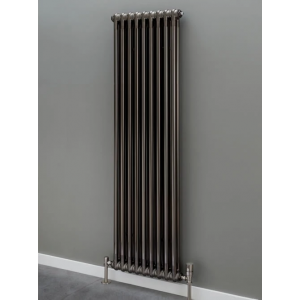
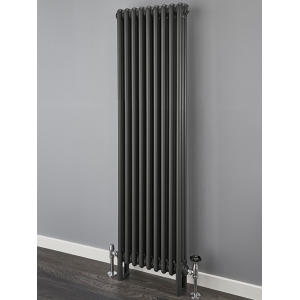
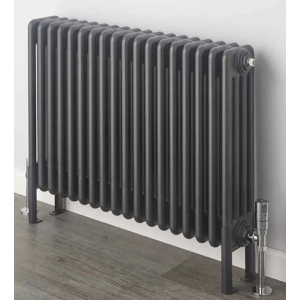
Textured Anthracite Column Products
Frequently Asked Questions
How does the textured anthracite finish differ technically from standard gloss paints regarding durability
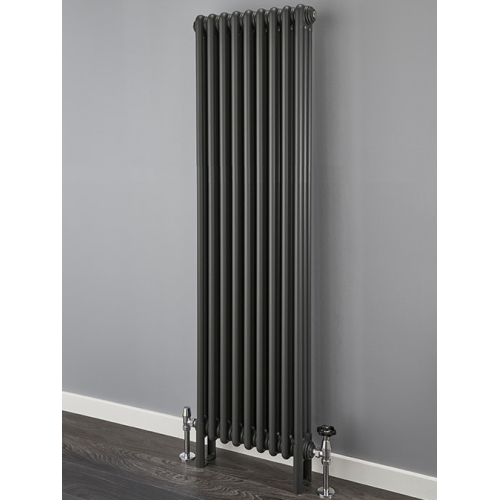
The textured anthracite finish is a specialized powder coating that is thermally cured to bond with the mild steel surface. Unlike standard smooth gloss wet paint which can show micro-scratches and fingerprints easily the textured matte surface diffuses light and hides surface marks. This finish also provides a thicker barrier against moisture making these radiators technically superior for high humidity environments like bathrooms and kitchens where corrosion resistance is critical.
How do I choose between 2 column 3 column and 4 column depths for my specific room requirements
The choice depends on the balance between available wall depth and required heat output. The 2 column model has a depth of 65mm making it the technical solution for narrow hallways where minimizing obstruction is key. The 3 column model at 101mm depth is the standard for living rooms offering a balance of heat and size. The 4 column model is 139mm deep and is the problem solving choice for rooms with limited wall width but high heat loss as it delivers the maximum BTU output per vertical meter of wall space.
What are the structural mounting requirements for the heavy vertical anthracite models on stud walls
Vertical column radiators made of mild steel hold a large volume of water and are significantly heavier than aluminum alternatives. If installing a tall 1800mm model on a stud wall or plasterboard partition you cannot rely on wall plugs alone. You must locate the timber studs to anchor the brackets securely. If the studs do not align with the bracket positions the technical solution is to use a timber pattress behind the plasterboard or install floor mounts to transfer the vertical load directly to the floor structure.
Does the dark anthracite colour affect the BTU heat output rating compared to white radiators
Technically the colour of a radiator has a negligible effect on the convective heat output which is how column radiators transfer the majority of their energy. While dark matte surfaces technically have higher varying emissivity than shiny white surfaces the practical difference in a home heating environment is minimal. You should size your radiator based strictly on the listed BTU or Wattage specifications for the specific size and column configuration rather than adjusting calculations based on the anthracite colour.
How do I calculate the precise pipe centres for the 4 column anthracite radiator before piping
To calculate pipe centres for the 4 column model you must take the width of the radiator sections and add the valve dimensions. Generally you add approximately 90mm to the total radiator width to account for standard valves. However the critical technical measurement is the wall to pipe centre distance. For a 4 column radiator which is 139mm deep the centre of the pipe will sit approximately 90mm to 100mm from the wall depending on the bracket adjustment. Accurate measurement is vital to prevent putting stress on the valve unions.
Can I install these textured anthracite radiators on an existing microbore piping system
Yes these radiators are compatible with microbore systems but you must use the correct adaptors. The radiator connections are standard 1 half inch BSP openings. If your system uses 8mm or 10mm microbore pipework the problem solving approach is to use reducing valve sets or microbore adaptors. However you must ensure the flow rate is sufficient to fill the large water volume of a multi column radiator to prevent cold spots and ensure the boiler pump has adequate head pressure.
What is the best method to clean the textured surface without damaging the powder coat
The textured anthracite surface captures dust differently than smooth gloss surfaces. To solve the cleaning problem without damaging the finish do not use abrasive scourers or strong chemical solvents as these can strip the powder coat. The technical recommendation is to use a soft long bristled brush or a vacuum with a brush attachment to remove dust from between the columns followed by wiping with a strictly damp microfiber cloth using warm water only to maintain the matte aesthetic.
How does the water content of the column design impact the heating system response time
Column radiators have a high water content compared to modern flat panel convectors. Technically this means they have a higher thermal mass so they take slightly longer to reach maximum temperature when the heating turns on. However this solves the problem of rapid heat loss as they retain heat for much longer after the boiler turns off providing a more consistent and comfortable ambient temperature curve in the room rather than rapid hot and cold cycles.
Why is a flow diverter recommended for tall vertical anthracite radiators
In tall vertical radiators with bottom bottom connections water naturally flows along the bottom channel without circulating to the top effectively. This causes a technical issue known as short circuiting where the top remains cold. A flow diverter or baffle is an internal component that forces the incoming hot water to rise to the top of the first column before dropping down the others. This ensures the entire surface area of the radiator is utilized for heat exchange maximizing the efficiency of the unit.
Are the standard 1 half inch BSP tappings compatible with smart thermostatic valves
Yes the radiator features universal 1 half inch BSP female threads which are the industry standard. This makes them fully compatible with modern smart thermostatic radiator valves or TRVs. Installing smart TRVs is a problem solving upgrade that allows you to control the temperature of individual rooms accurately. You simply screw the smart valve tail into the radiator bush using a radiator spanner ensuring a watertight seal with PTFE tape or sealing compound.