
3-Column Textured Anthracite Classic Radiators Products
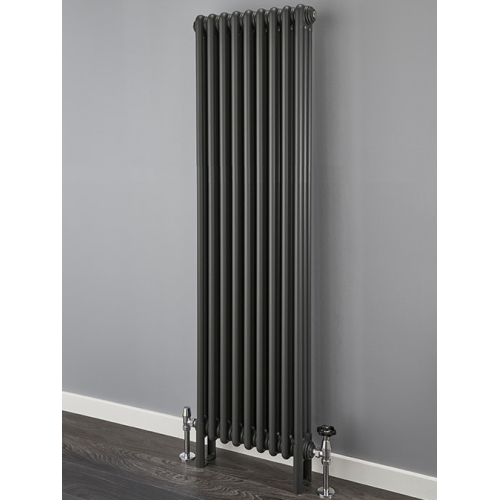
Showing 1 to 12 of 12 (1 Pages)
Frequently Asked Questions
What is the precise depth of the 3 column textured anthracite model and why is it critical for installation planning
The 3 column textured anthracite radiator has a fixed depth of 101mm. This dimension is critical because once you add the standard wall bracket clearance of approximately 25mm the total projection from the wall becomes roughly 126mm. This technical measurement ensures you have adequate space for furniture placement and prevents the radiator from obstructing walkways especially in narrow corridors while still providing the high heat output associated with the triple column design.
How does the textured anthracite finish technically improve the durability of the radiator surface
The textured anthracite finish is not just a cosmetic choice but a technical protective layer. It is a specialized powder coating applied electrostatically and cured at high temperatures to bond with the mild steel. This textured surface is significantly more resistant to abrasion and impact than smooth gloss paints and it diffuses light which effectively hides minor surface scratches and fingerprints making it a problem solving option for high traffic family areas.
Do I need to calculate pipe centres differently for the 3 column anthracite range compared to standard panel radiators
Yes you must calculate pipe centres specifically for column radiators. For the 3 column model you take the radiator width which includes the side bushes and add approximately 80mm to 90mm for the valves. Crucially the pipe centre from the wall is set by the bracket position usually placing the pipe centre about 75mm to 85mm from the wall. You should never install pipework until you have physically measured the radiator and bracket assembly to avoid costly plumbing alterations.
Can the 3 column anthracite radiators be floor mounted if my walls are not strong enough
Yes these heavy mild steel radiators can be floor mounted using compatible column radiator feet which solve the problem of weak partition walls. Since a fully filled 3 column radiator can weigh over 50kg depending on the size transferring the load to the floor is a safe technical solution. You should ensure the feet are secured to the floorboards or concrete subfloor to prevent tipping and use top retaining stays for stability.
What is the relationship between the 3 column configuration and heat output efficiency
The 3 column configuration is designed to maximize surface area within a compact footprint. By arranging three vertical columns of mild steel depth wise the radiator generates a much higher BTU output per meter of length compared to a single or double column unit. This technical efficiency allows you to heat larger rooms using a narrower radiator effectively solving the problem of limited horizontal wall space without compromising on warmth.
Does the dark textured anthracite colour reduce the thermal output compared to white radiators
Technically the colour has a negligible impact on the overall heat output of a column radiator. While dark matte surfaces have higher emissivity than shiny white ones effectively radiating heat slightly better the primary heat transfer mechanism is convection which relies on airflow through the columns. Therefore you should size your radiator based strictly on the listed Delta T50 BTU output of the specific 3 column model rather than making adjustments for the anthracite colour.
How do I ensure the vertical 1800mm 3 column models heat up evenly from top to bottom
Vertical column radiators with bottom bottom connections can suffer from flow issues where water bypasses the top of the radiator. To solve this technical problem you should verify if an internal flow diverter or baffle is required or included. This component forces the incoming hot water up the first channel to the top of the radiator before it cascades down the remaining columns ensuring the entire surface area reaches operating temperature for maximum efficiency.
Are the threaded connections on these radiators compatible with modern dual fuel heating elements
The radiators feature standard 1 half inch BSP female tappings which are technically compatible with electric heating elements for dual fuel conversion. However you must ensure the element wattage is appropriate for the radiator volume and surface area. Converting a central heating column radiator to dual fuel is a problem solving method for bathrooms or summer use but requires a T piece for the valve connection and safe electrical fusing.
What is the correct procedure for bleeding air from a 3 column textured anthracite radiator
Air pockets can get trapped in the top loops of the column design preventing proper circulation. To solve this turn off the heating pump and wait for the system to cool slightly to reduce pressure. Use a radiator key to open the bleed valve located at the top of the radiator slightly until water streams out continuously without sputtering. This technical maintenance step ensures the water fills every column completely restoring full heat output.
How does the Delta T50 rating affect my radiator choice if I use a heat pump system
The listed heat outputs are based on Delta T50 which assumes a boiler water temperature of roughly 75 degrees Celsius. Heat pumps operate at lower temperatures typically Delta T30. If you are using a heat pump you must apply a correction factor to the listed BTU output usually dividing by roughly 2 or more to find the actual output at lower temperatures. This technical calculation is essential to avoid undersizing the radiator and leaving the room cold.