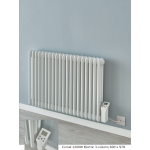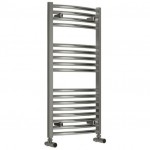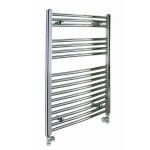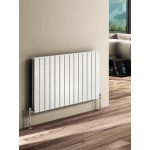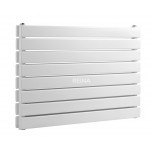
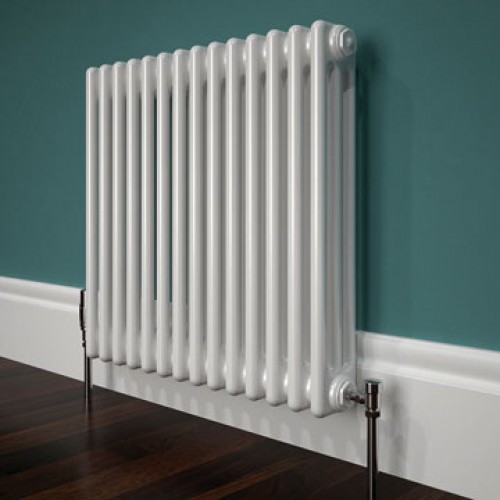
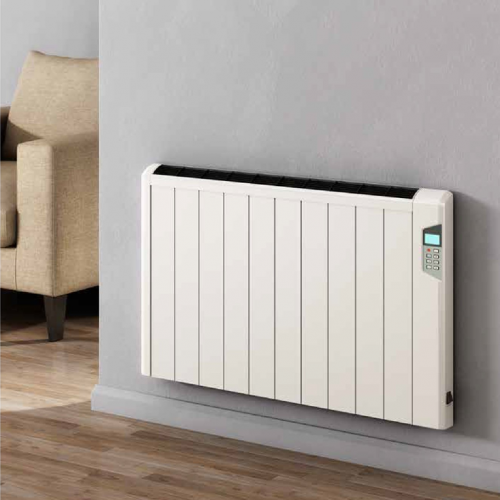
Welcome to Budget Radiators, where we believe that upgrading your home heating shouldn't cost a fortune. As we move through 2025, the demand for energy-efficient central heating radiators has never been higher. Whether you are looking to replace a tired, rusty panel or completely renovate your home with stylish vertical designer radiators, our mission is to provide premium build quality at the best online prices in the UK.
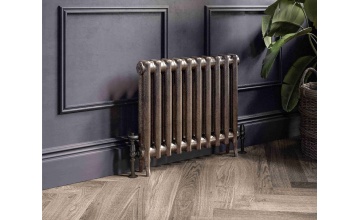
We understand that "budget" doesn't mean "cheap quality." It means smart engineering, direct-from-manufacturer savings, and heating solutions that lower your long-term energy bills. From the modern appeal of Anthracite Grey finishes to the raw power of Type 22 convector radiators, our range is designed to suit every British home, from Victorian terraces to modern new-builds.
Why Choose Budget Radiators?
In the current economic climate, homeowners are rightly searching for cheap radiators that don't compromise on longevity. By removing expensive showrooms and dealing directly with top manufacturers, we pass significant savings on to you. But price is only half the story.
- 10-Year Warranties: Most of our central heating radiators come with comprehensive guarantees, matching the durability of premium brands.
- Fast UK Delivery: We know that when a radiator leaks, you need a replacement fast.
- BS EN 442 Compliant: Every unit is tested to European standards, ensuring the Heat Output (BTU) you see is the heat you get.
Understanding Radiator Types: Type 11, 21, and 22 Explained
Choosing the right central heating radiator can be confusing. The "Type" refers to the number of panels and convector fins, which dictates how much heat the unit generates.
Type 11 (Single Convector)
One front panel and one set of fins. Slim and ideal for hallways or small bathrooms where wall projection must be minimised.
Type 21 (Double Panel Plus)
Two panels with one set of fins. The perfect middle-ground, offering higher heat output than a Type 11 without the full depth of a Type 22.
Type 22 (Double Convector)
Two panels and two sets of fins. The powerhouse of modern heating. These are the most efficient radiators for large living rooms and are highly recommended for use with heat pumps due to their high surface area.
2025 Design Trends: Anthracite & Vertical Radiators
Gone are the days when radiators were just boring white boxes. Today, they are a key element of interior design.
The Rise of Anthracite Radiators
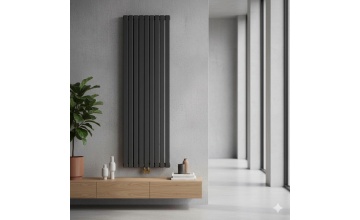
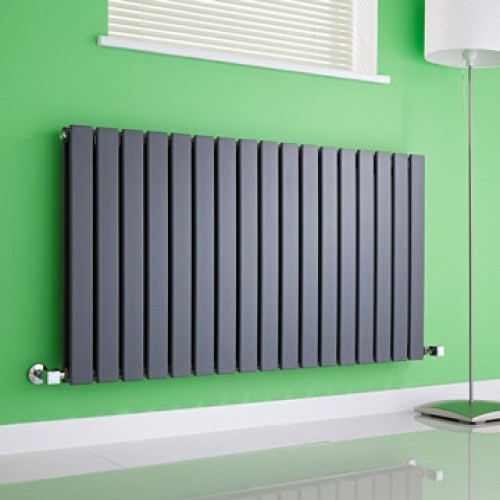
Anthracite Grey (RAL 7016) has become the UK's most popular contemporary finish. It offers a sophisticated, modern look that contrasts beautifully with light walls and matches perfectly with modern kitchen fittings. Our range of cheap anthracite radiators allows you to achieve this designer look for a fraction of the high-street cost.
Space-Saving Vertical Radiators
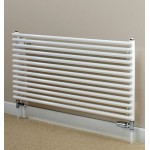
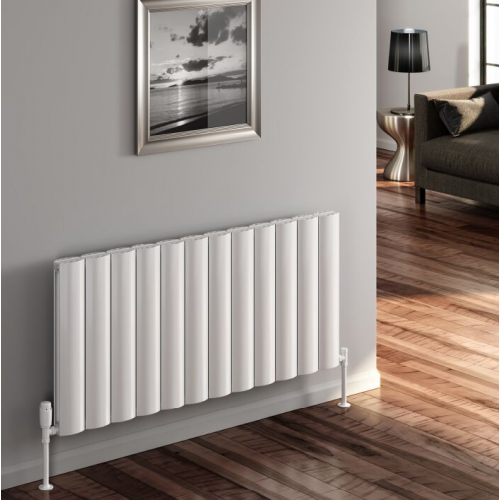
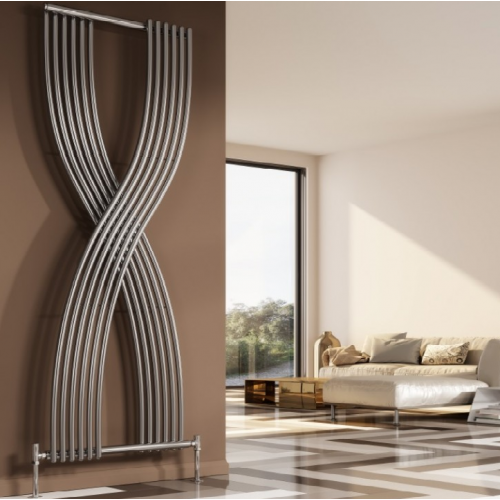
If you have limited wall space—perhaps due to bi-fold doors or large windows—vertical radiators are the solution. By utilising the height of your room rather than the width, you free up valuable floor space for furniture while generating an impressive heat output.
Future-Proofing: Radiators for Heat Pumps and Low-Temp Systems
With the UK government's push towards Net Zero and the Future Homes Standard 2025, many homeowners are transitioning to heat pumps. Heat pumps operate at lower temperatures (around 45°C) compared to gas boilers (75°C).
To keep your home warm at these lower temperatures, you need radiators with a larger surface area. Our high-output Type 22 and Type 33 radiators are "Heat Pump Ready," ensuring your home stays warm and efficient regardless of your heat source.
Frequently Asked Questions (FAQs)
How do I calculate the right BTU for my room?
To find the correct size, you need to calculate the British Thermal Units (BTU) required. A basic rule of thumb for 2025 standards is to multiply the volume of your room (Length x Width x Height in metres) by 40 (for Watts) or 136 (for BTUs). However, factors like single glazing or north-facing walls will increase this requirement. We always recommend choosing a radiator with a slightly higher BTU than required to ensure efficiency.
Are cheap radiators less efficient?
Not necessarily. "Cheap" often refers to the price you pay, not the engineering. Our budget radiators are made from the same grade of mild steel (typically 1.3mm to 1.5mm thickness) as premium brands and use the same convection technology. The difference in price usually comes from our direct supply chain and lack of expensive physical showrooms.
Can I swap a horizontal radiator for a vertical one?
Yes, swapping a horizontal radiator for a vertical designer radiator is a great way to save space. However, you will likely need to alter the pipework under the floorboards or in the wall to accommodate the different width of the connections. It is a standard job for a plumber.
What is the difference between a towel rail and a radiator?
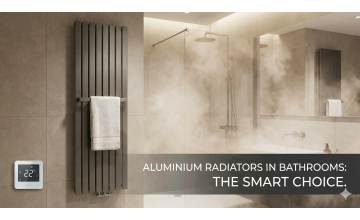
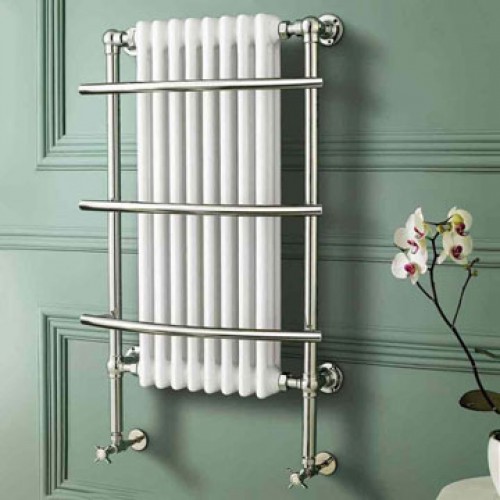
While both heat up, they have different primary functions. A central heating radiator is designed to heat the air in the room (convection). A towel rail is designed to dry towels (radiation). Generally, a chrome towel rail will emit about 30% less heat than a white painted radiator of the same size. For cold bathrooms, we recommend using a dual-fuel towel rail or adding a small dedicated radiator.
How often should I bleed my radiators?
You should check your radiators at least once a year, preferably as autumn begins. If a radiator is cold at the top but hot at the bottom, it contains trapped air and needs bleeding. This simple maintenance task improves efficiency and lowers your heating bills.