
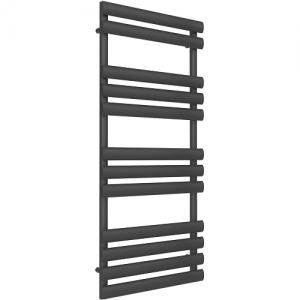
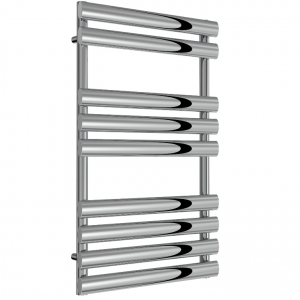
The Arbori Products
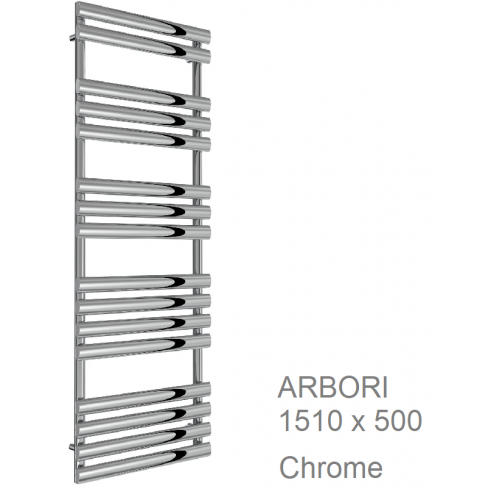
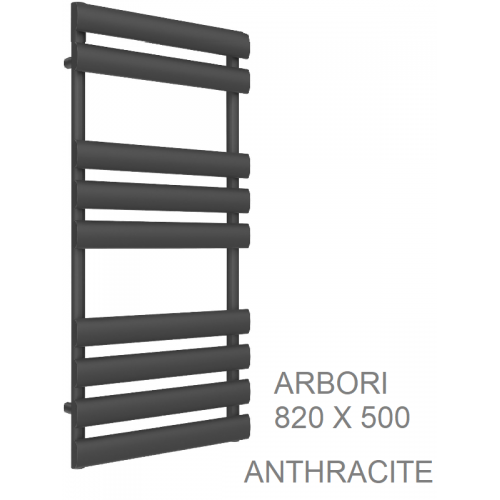
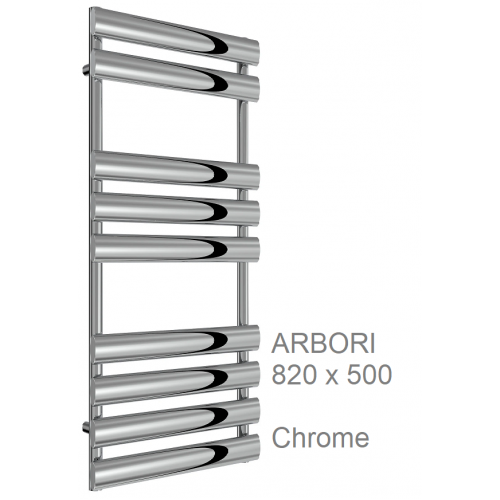
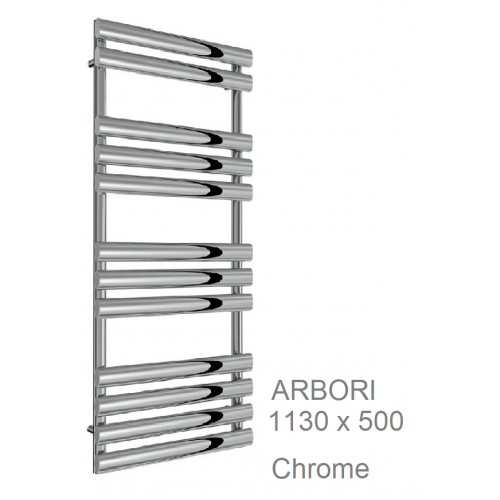
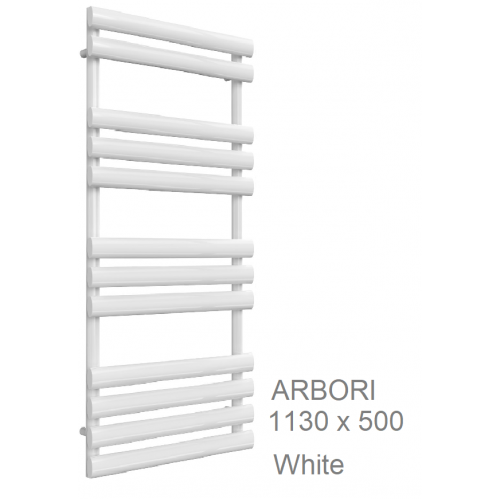
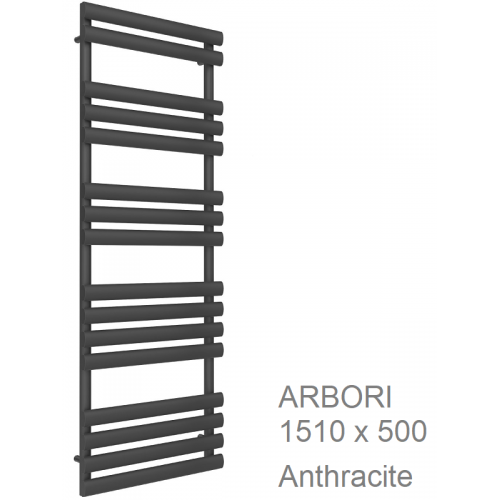
Showing 1 to 6 of 6 (1 Pages)
Frequently Asked Questions
How does the unique branch like design of The Arbori affect heat distribution compared to a standard ladder rail?
The Arbori features a distinctive asymmetrical branch like structure which increases the surface area available for air contact. Technically, this design disrupts the vertical airflow more than a standard straight ladder, creating turbulent air pockets that can enhance convection into the room. While standard ladders are optimized for stacking towels, The Arbori allows for more open spacing, which improves air circulation around damp towels, leading to faster drying times and better overall energy efficiency in removing moisture from the bathroom environment.
What is the correct wattage calculation to ensure I choose the right electric element for the 1510mm Chrome Arbori model?
To perform a correct wattage calculation, you must look at the specific output of the radiator finish. The 1510mm Chrome Arbori has an output of approximately 509 Watts at Delta T50. For safe operation, you should select a heating element that matches or is slightly below this rating, such as a 400W or 500W element. Using a powerful element like the 600W MEG-1.0 would technically be acceptable only if it is a thermostatic model that regulates temperature, but generally, staying within 90 percent of the radiator capacity is the safest technical standard to prevent internal pressure issues.
Can I convert The Arbori into a dual fuel system and what components do I need?
Yes, The Arbori is fully compatible with a dual fuel setup. To achieve this, you need to install a T-piece on one of the bottom inlets. This allows you to connect a standard central heating valve and an electric heating rod, like the Thermostatic Element MEG-1.0, into the same port. This setup allows the rail to heat via the boiler in winter and electricity in summer. You must ensure the T-piece has standard half inch BSP threading to match the radiator inlets, and always remember to close the radiator valve when using the electric element to avoid heating the pipework unnecessarily.
Why does the Anthracite version of The Arbori have a higher BTU output than the Chrome version?
This is due to the physical properties of the materials. Chrome plating has a much lower emissivity rating than painted finishes like Anthracite or White. Technically, the shiny chrome surface traps more heat inside the metal body rather than radiating it out into the room. For The Arbori range, the Anthracite models output roughly 20 to 30 percent more heat (BTUs) than the Chrome equivalents of the same size. You should factor this difference into your room heating calculations if your bathroom is particularly large or cold.
Is The Arbori compatible with a Touch Control Element for precise temperature management?
Yes, The Arbori is compatible with a Touch Control Element. These elements screw directly into the standard half inch BSP threading at the bottom of the collector. A Touch Control unit uses a digital thermostat to monitor the internal fluid temperature and modulate the power on and off. This provides far greater energy efficiency than a basic fixed temperature element because it only uses electricity when necessary to maintain the set level, preventing the rail from becoming dangerously hot and reducing running costs.
What are the installation depth requirements for The Arbori to ensure it fits behind a bathroom door?
The Arbori has a fixed wall projection (depth) of 102mm. When planning your installation, you must measure the clearance behind your bathroom door to ensure the handle or door face will not strike the radiator. Technically, you also need to account for the additional depth of any towels hanging on the rail. If space is tight, you might need to install a door stop to prevent impact damage. This 102mm depth is relatively slim, making it suitable for many narrow spaces, but precise measurement is critical before drilling.
Does The Arbori require a specific type of valve or does it use standard connections?
The Arbori is manufactured with industry standard half inch BSP threading on its inlets. This means it is technically compatible with almost all standard radiator valves available in the UK, including angled, straight, and corner valves. You do not need specialized adapters unless your pipework is non standard (e.g., 10mm microbore). For a clean aesthetic that matches the modern design, we recommend using matching chrome or anthracite valves that complement the finish of the rail.
How does the MEG-1.0 thermostatic element protect The Arbori from freezing in winter?
The MEG-1.0 thermostatic element contains a built in antifreeze function controlled by its microprocessor. If the central heating is turned off (for example, during a winter vacation) and the ambient temperature drops dangerously low (typically below 7 degrees Celsius), the element will automatically activate a low power heating cycle. This prevents the water inside The Arbori from freezing and expanding, which protects the steel welds from splitting and prevents catastrophic leaks, ensuring the longevity of your 10 year guarantee.
What is the best way to clean the Anthracite finish on The Arbori to prevent damage?
The Anthracite finish is a powder coated paint layer that is durable but requires specific care. You should clean it using a soft, lint free cloth and warm water mixed with a small amount of neutral soap. Technically, you must avoid abrasive scouring pads or acidic chemical cleaners, as these can degrade the coating over time, leading to potential rust spots. Regular dusting is also recommended to maintain the matte appearance and ensure the heat transfer efficiency is not blocked by dust accumulation between the branch sections.
How do I bleed the air out of The Arbori if the top branches are cold?
If the upper sections of The Arbori are cold while the bottom is hot, air is trapped inside. To fix this, turn off your central heating pump to stop the flow. Locate the bleed valve at the very top of the vertical collector tube. Using a standard radiator bleed key, turn the valve slightly anti clockwise until you hear gas hissing out. Wait until a steady stream of water flows out, then close the valve immediately. This process removes the air lock and allows hot water to fill the entire internal volume, restoring full heat output.