
Admiral TRV Range Products
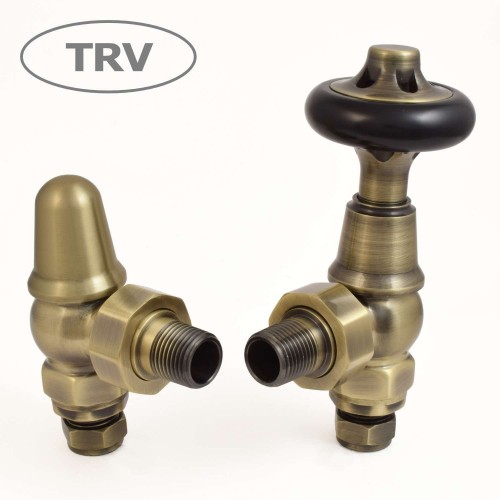
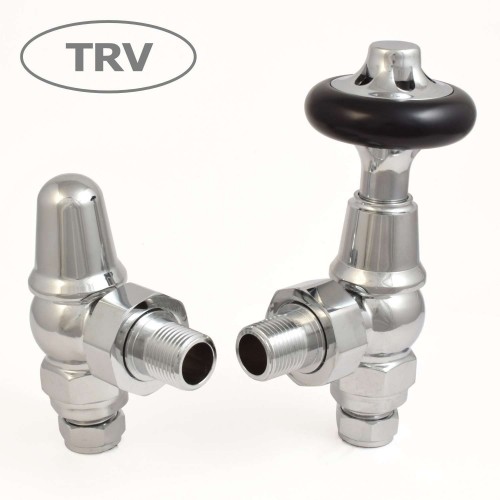
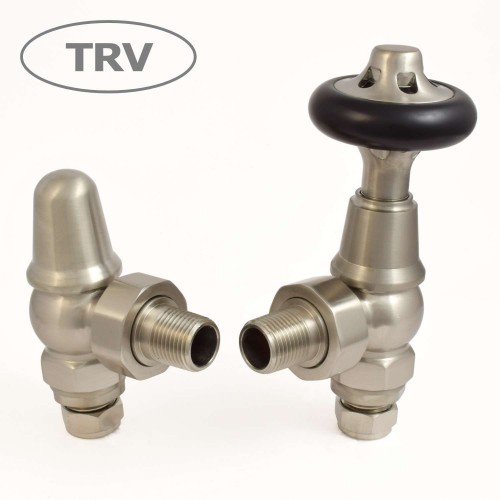
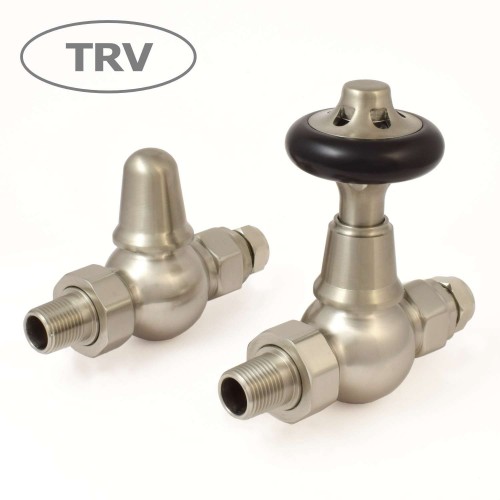
Showing 1 to 8 of 8 (1 Pages)
Frequently Asked Questions
How does the Admiral Thermostatic Valve technically regulate room temperature compared to manual valves?
The Admiral TRV contains a liquid or wax sensor within the head which expands and contracts based on the ambient air temperature. When the room reaches your set comfort level, the internal sensor expands and pushes a pin down to close the valve seat, stopping the flow of hot water into the radiator. This automatic regulation is technically superior to manual valves because it reacts to external heat sources (like sunlight or appliances), preventing overheating and saving significant energy costs.
What is the difference between the Angled and Straight Admiral valve configurations?
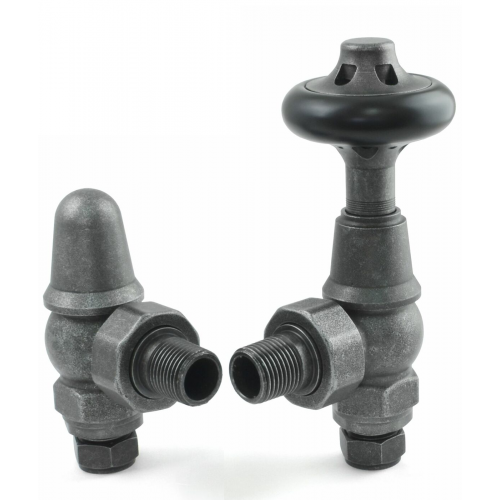
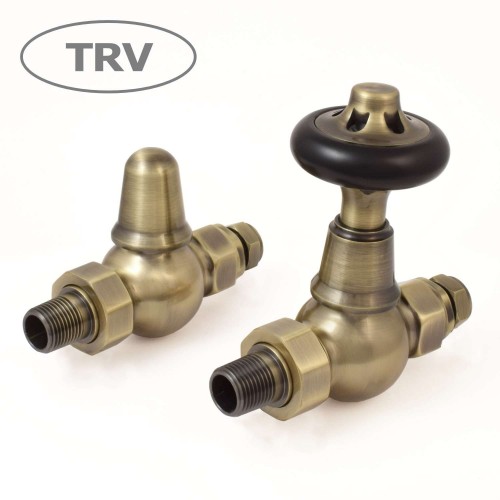
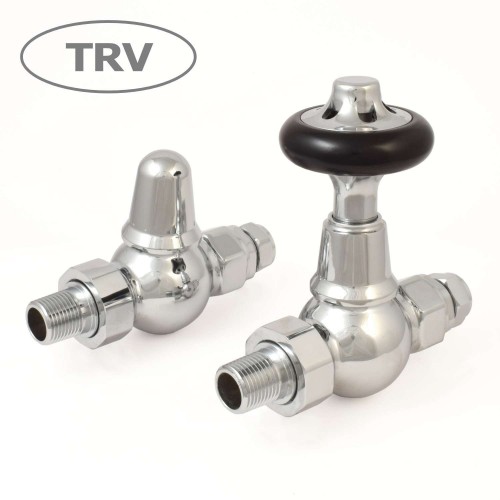
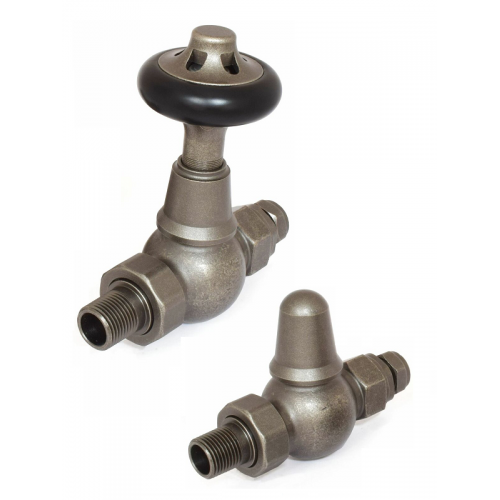
The choice between Angled and Straight valves depends entirely on your pipework orientation. You technically require Angled Admiral valves if your pipes emerge from the floor and connect to the side of the radiator, which creates a 90 degree turn. You require Straight Admiral valves if your pipes run along the wall or come up through the floor and the radiator connections are underneath (underside connections), allowing the water to flow in a straight line without a bend.
Can I install the Admiral TRV on the return pipe instead of the flow pipe?
Yes, the Admiral range consists of bi directional valves. This technical feature means the internal mechanism is designed to handle water flowing through it in either direction without suffering from "water hammer" (a banging noise caused by valve vibration). Therefore, you can install the thermostatic head on either the Flow (inlet) or Return (outlet) side of the radiator, solving the problem of identifying flow direction in older piping systems.
How does the Frost Protection feature on the Admiral valve work?
The Admiral TRV includes a Frost Protection setting, typically marked with a snowflake symbol or the lowest setting point. When set to this position, the valve will technically remain closed unless the room temperature drops below approximately 7 degrees Celsius. At this point, it automatically opens to allow hot water flow, preventing the water inside the radiator and pipes from freezing and bursting during cold snaps or when the property is unoccupied.
Are the Admiral valves compatible with standard UK plumbing sizes?
Yes, the Admiral valves are manufactured to British Standard Pipe (BSP) specifications. They feature a standard 15mm compression fitting for the copper or plastic pipe inlet and a 1/2 inch BSP male thread (the tail) that screws into the radiator. This makes them universally compatible with 99 percent of UK radiators, including modern panels and traditional cast iron models, without needing complex adapters.
Why is the Lockshield valve included in the set and how do I adjust it?
The set includes one TRV (with the wheel head) and one Lockshield valve (with a smaller cap). The Lockshield is technically used for "balancing" the system. By restricting the flow of water leaving the radiator on the return side, you force water to flow to other radiators further away from the boiler. To adjust it, you remove the decorative cap and use a spanner or Allen key to open it just enough to achieve the correct temperature drop across the radiator, ensuring even heating throughout the house.
How do I maintain the finish of the Antique Brass or Pewter without damaging the coating?
To preserve the 10 Year Guarantee and the specific finish (Antique Brass, Pewter, or Satin Nickel), you must avoid using abrasive cleaners, wire wool, or acidic chemical sprays. Technically, these harsh agents can strip the protective lacquer or plating. The problem solving approach for cleaning is to use a soft dry cloth for dusting, or a damp microfibre cloth with warm soapy water for stubborn marks, drying immediately afterwards to prevent water spotting.
Is the Admiral valve suitable for heavy Cast Iron radiators?
Yes, the Admiral range is specifically designed with a heavy pattern solid brass body. This robust construction is technically capable of withstanding the higher physical stress and potential knocks associated with heavy cast iron radiators. Aesthetically and structurally, they are a better match for large traditional radiators than lightweight plastic headed valves which can look out of place and may be prone to cracking under physical impact.
What should I do if the radiator fails to heat up even when the Admiral TRV is fully open?
If the TRV is set to maximum but the radiator is cold, the internal pin may be stuck in the closed position, a common issue after a summer of inactivity. To solve this, remove the TRV head by unscrewing the collar. You will see a small metal pin on the valve body. Gently push this pin down and release it a few times (or tap the side of the valve body) until it springs back up freely. This frees the seat mechanism and allows hot water to flow again.
Can I use the Admiral TRV to shut off the radiator completely for decorating?
While you can turn the TRV wheel to zero or "off", technically most thermostatic valves have a safety feature where they will still open if the temperature drops very low (Frost Protection). To completely isolate the radiator for removal or decorating, you should use the plastic "decorator's cap" provided with the valve (or available separately). Screw this plastic cap tightly onto the valve body in place of the decorative head to mechanically force the valve shut permanently until you are ready to reinstall.