
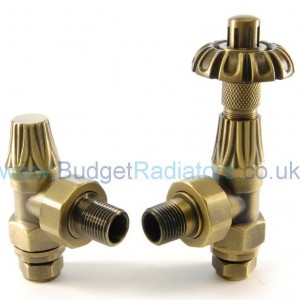
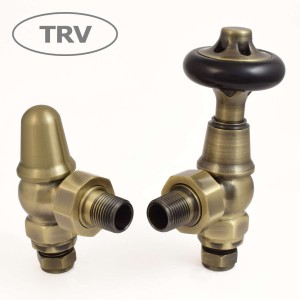
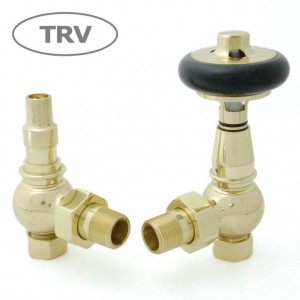
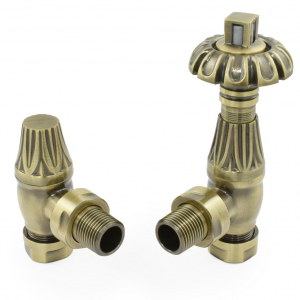
Traditional Thermostatic Radiator Valves Products
Frequently Asked Questions
What is a traditional thermostatic radiator valve and how does the internal sensor work to control room temperature?
A traditional thermostatic radiator valve or TRV is a smart device that automatically manages your heating. It has a special sensor inside the head made of liquid or wax. This sensor expands when the room gets hot and pushes a metal pin down to close the valve. This stops hot water from entering the radiator so you do not waste energy. When the room gets cold the sensor shrinks and the pin moves up to let hot water flow again. This keeps your room at the perfect temperature without you touching the dial.
How do I know if I need angled straight or corner valves for my cast iron radiators?
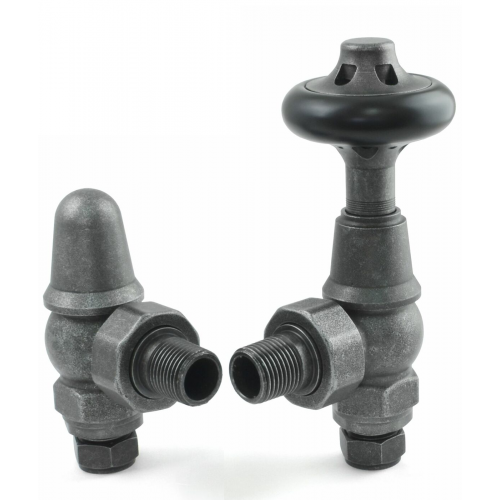
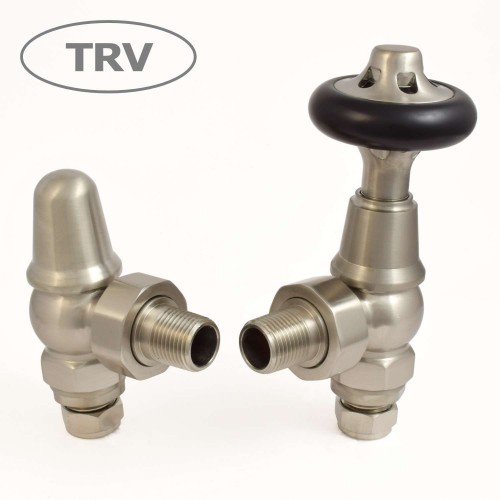
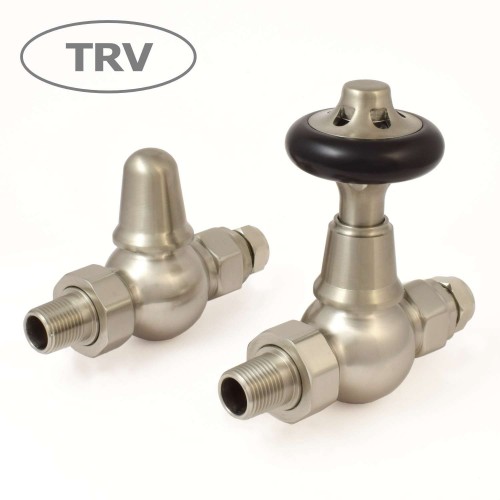
You must check where your water pipes come out of the room. If your pipes come up from the floor you need Straight Valves to connect them to the side of the radiator. If your pipes come out of the wall behind the radiator you need Corner Valves to make a neat 90 degree turn. If your pipes come out of the wall but you want the valve to stick out sideways you can use Angled Valves. Choosing the right shape is critical for a leak free fit and a tidy look.
Can I install these traditional valves on modern 15mm copper pipes or do I need special adapters?
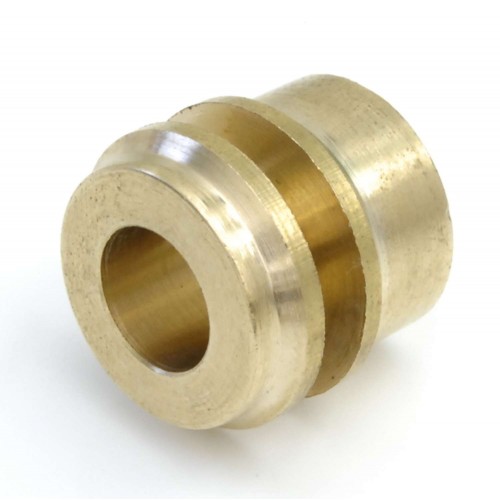
Most UK homes use 15mm copper pipes and our valves are designed to fit this standard size perfectly. If you have wider 22mm pipes you can buy simple adapters to make the valve fit. If you have very small microbore pipes like 8mm or 10mm you will need a reducing set. This is a small metal piece that fills the gap between the pipe and the valve to ensure a tight seal. You do not need to replace your pipes to use our vintage style valves.
What is the difference between a thermostatic valve and a manual valve and why should I mix them?
A manual valve is like a simple tap that stays on until you turn it off. A thermostatic valve acts like a brain that turns itself on and off to save money. We recommend using thermostatic valves in bedrooms and living rooms for comfort. However you should put a manual valve in the room where your main wall thermostat is located. This prevents the two devices from fighting each other and keeps your boiler running smoothly.
What does the snowflake symbol mean on the valve dial and how does frost protection work?
The snowflake symbol represents the Frost Protection setting. When you turn the dial to this mark the valve remains closed unless the room temperature drops very low to around 7 degrees Celsius. At this point the valve opens slightly to let warm water flow through. This prevents the water inside your radiator from freezing and bursting the pipes during winter. It is the best setting for empty rooms or when you go on holiday.
Why is my new radiator valve making a loud banging or hammering noise when the heating turns on?
A hammering noise usually happens if a non bi directional valve is installed on the wrong side of the radiator. Water flowing the wrong way causes the internal jumper to vibrate violently. Our Admiral and Abbey ranges are bi directional which means water can flow through them in either direction without noise. If you hear banging check that the arrow on the valve body points in the direction of the water flow or ensure you have bought a bi directional model.
How do I install a new thermostatic valve on an existing system without causing water leaks?
First you must turn off the heating and drain the water from the radiator. Unscrew the old valve nuts and remove the old valve. Clean the pipe end thoroughly. Wrap PTFE tape around the threads of the new valve tail to create a watertight seal. Slide the nut and the brass ring called an olive onto the pipe. Insert the new valve and tighten the nut firmly but do not overtighten it as this can crack the olive. Refill the system and check closely for drips.
What is the lockshield valve used for and how do I adjust it to balance my heating system?
The lockshield is the smaller valve on the opposite side of the radiator that usually has a plastic cover. It is not used to turn the heating on or off daily. Its job is to control how fast water leaves the radiator. By adjusting the lockshield you can balance the system. This ensures that radiators far away from the boiler get as much hot water as the ones close to it. You adjust it once during installation and then leave it alone.
Why is my radiator hot at the top but cold at the bottom after fitting new valves?
If the top is hot and the bottom is cold it is usually caused by sludge. Sludge is a mix of rust and dirt that sinks to the bottom of the radiator and blocks the hot water. Changing the valves will not fix this. You need to remove the radiator and flush it out with a hose or use a chemical cleaner in your central heating system. This helps the hot water flow freely to every part of the radiator.
Do your brass and pewter finishes require special cleaning to prevent tarnishing or damage?
Yes you must be careful with cleaning. Our finishes like Old English Brass and Pewter are high quality but can be damaged by harsh chemicals. Never use bleach or abrasive sprays. Simply wipe the valves with a soft dry cloth to remove dust. If they need a deeper clean use a damp cloth with warm water and dry them immediately. This preserves the protective lacquer and keeps the vintage look perfect for years.
What happens if the pin inside the thermostatic valve head gets stuck after summer?
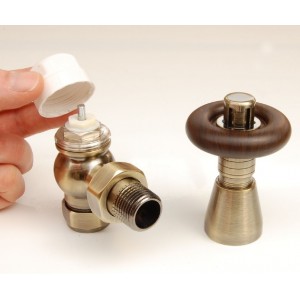
Sometimes the metal pin inside the valve sticks shut because it has not moved for months. This stops the radiator from heating up. To fix this remove the valve head by unscrewing the silver collar. You will see a small metal pin sticking up. Gently push it down with the flat side of a tool or tap the side of the valve body. The pin should spring back up. Grease it slightly with silicone grease to keep it moving freely.
Can I use these valves on a dual fuel towel rail or are they only for central heating?
You can use these valves on a dual fuel towel rail if it is connected to your central heating pipes. The thermostatic valve will control the temperature when the central heating is on. However when you use the electric element in summer you must remember to open the valves fully or the pressure inside the rail could get too high. Always check the manufacturer instructions for your specific electric element before installation.
How do I bleed my radiator after installing new valves to ensure it heats up properly?
When you refill the radiator air often gets trapped at the top. This air stops the hot water from filling the whole unit. To fix this find the small bleed screw at the top of the radiator. Use a radiator key to turn it slightly anti clockwise. You will hear a hissing sound as the air escapes. As soon as water starts to dribble out close the screw tightly. This allows hot water to fill the entire space.
What is the difference between a compression fitting and a BSP threaded connection?
A compression fitting uses a nut and a soft metal ring called an olive to grip the smooth copper pipe. This is standard for the pipe inlet. A BSP connection stands for British Standard Pipe and refers to the threaded part that screws into the radiator itself. Most modern radiators use half inch BSP while older cast iron ones might use three quarter inch BSP. Our valves come with couplers to fit these standard sizes.
Why does the radiator continue to get hot even when the thermostatic valve is set to a low number?
A thermostatic valve senses the air temperature in the room not the water temperature. If the room is very cold the valve will stay open to heat the space up even if the dial is set to low. Also ensure the valve head is not covered by curtains or furniture. If the air around the head gets hot too quickly it will turn off too soon. If it is covered it might not sense the heat and stay on too long.
Are the wooden wheel heads on your valves made of real wood or plastic?
We take pride in authenticity so the wheel heads on our traditional ranges like the Admiral are made from real solid wood. They are stained to look like dark walnut or oak. This gives a genuine period feel that matches the cast iron style. Unlike plastic which can feel brittle and cheap real wood feels warm to the touch and adds a premium detail to your home interior.
What is the maximum pressure and temperature these traditional radiator valves can handle?
Our valves are designed to work safely with all standard UK home heating systems. They typically handle a maximum working pressure of 10 bar which is far higher than the 1 or 2 bar found in most homes. They can also withstand water temperatures up to 100 degrees Celsius. However for safety and efficiency your boiler should usually be set between 60 and 75 degrees Celsius.
Do I need to use hemp and paste or just PTFE tape for sealing the threaded tails?
In the past plumbers used hemp and paste but today PTFE tape is the industry standard. It is a thin white tape that you wrap around the threads. We recommend wrapping it clockwise about 10 to 15 times around the tail threads before screwing them into the radiator. This fills the tiny gaps between the metal threads and creates a perfect watertight seal that lasts for decades.
Can I replace just the head of the valve if it breaks or do I need to buy a whole new set?
In many cases you can replace just the head if the valve body is still in good condition. However you must ensure the new head is compatible with the old body. Different brands use different thread sizes and pin lengths. Since our valves are sold as matched sets for aesthetic reasons it is often better to replace the whole unit to ensure the finish matches and the mechanism works perfectly.
How does the liquid sensor in the Abbey range differ from a wax sensor in cheaper models?
Sensors inside the valve head can be made of liquid or wax. Liquid sensors generally react faster to temperature changes than wax sensors. This means your radiator responds more quickly when you open a window or turn on the oven. This improved reaction time helps to keep the room temperature more stable and saves slightly more energy over time compared to slower wax models.