
Amberley TRV Range Products
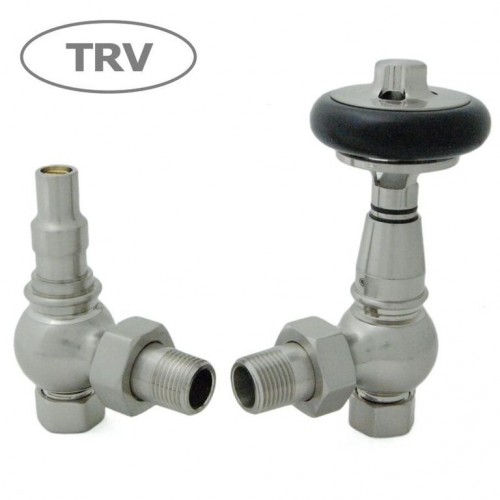
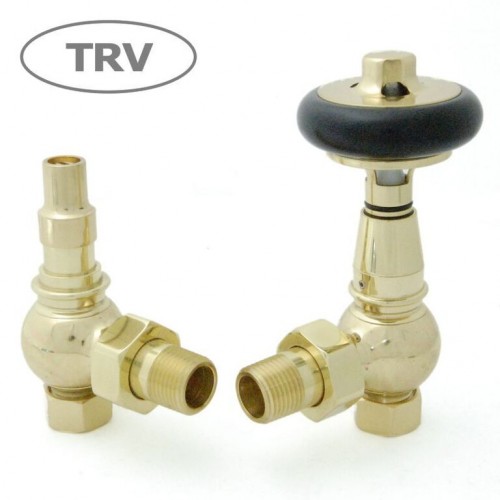
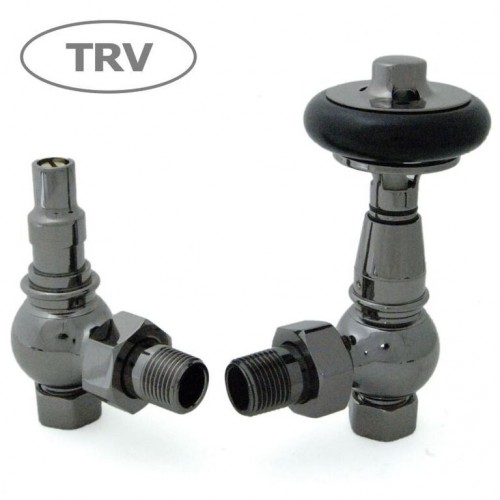
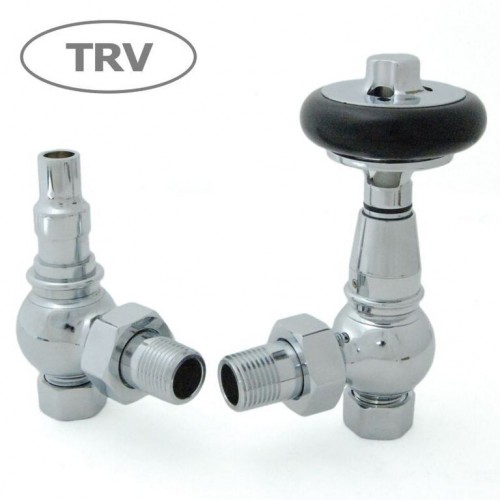
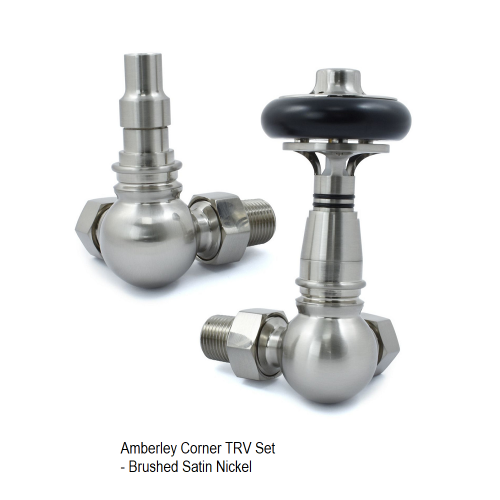
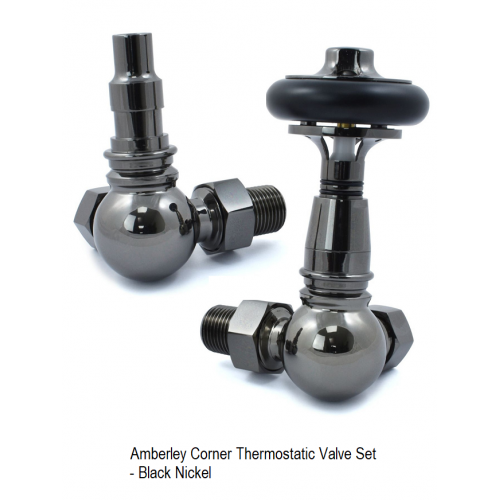
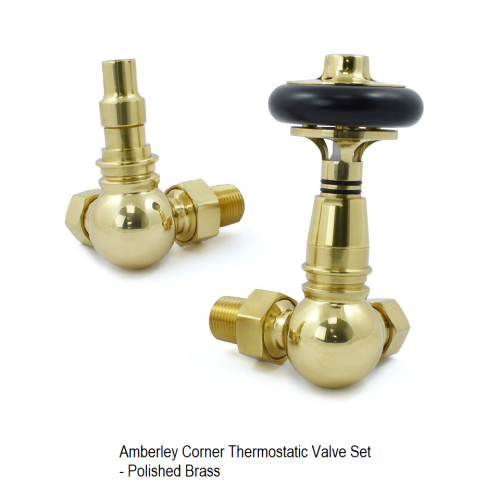
Showing 1 to 11 of 11 (1 Pages)
Frequently Asked Questions
How does the thermostatic mechanism in the Amberley TRV technically regulate room temperature?
The Amberley Thermostatic Radiator Valve contains a liquid based sensor within the head. This sensor expands as the room temperature rises and contracts as it cools. When the sensor expands it pushes a metal pin down against the valve seat which restricts the flow of hot water into the radiator. This technical process automatically modulates the heat output to maintain the constant ambient temperature you have selected on the dial ensuring energy efficiency and preventing overheating.
What is the technical function of the Lockshield valve included in this set?
The Lockshield valve is installed on the return side of the radiator and acts as a flow regulator. Its technical purpose is to balance the central heating system by restricting the water flow exiting the radiator. Correctly adjusting the Lockshield ensures that the water stays in the radiator long enough to transfer its heat load effectively and ensures that hot water reaches radiators further away from the boiler rather than just short circuiting through the nearest ones.
Is the Amberley TRV valve set bi directional and what does this mean for installation?
Yes the Amberley TRV is technically bi directional. This means the internal valve body is designed to allow water to flow through it in either direction without causing water hammer or vibration noise. This feature solves common installation problems by allowing you to install the thermostatic head on either the flow pipe or the return pipe depending on which side of the radiator is more accessible or aesthetically pleasing in your room layout.
What materials are used in the construction of the Amberley valve and head?
The valve body is manufactured from heavy grade brass which provides high tensile strength and resistance to corrosion in hydronic heating systems. The distinctive handle on the Amberley is crafted from real wood rather than plastic imitation. This solid wood head provides thermal insulation so it remains cool to the touch while the brass components ensure a robust leak free connection that can withstand standard system operating pressures.
How do I technically connect the Amberley valves to standard 15mm copper pipework?
The Amberley valves come supplied with standard 15mm compression fittings. To install you slide the compression nut and the olive over your 15mm copper pipe and insert the pipe into the valve inlet. Tightening the nut compresses the soft brass olive against the pipe and the valve body creating a watertight seal. For 8mm or 10mm microbore pipework you would technically need to purchase separate pipe reducers to bridge the gap between the pipe and the 15mm valve inlet.
Does the Amberley TRV include a frost protection setting?
Yes the Amberley TRV features a frost protection setting typically indicated by a snowflake symbol or the lowest setting on the dial. Technically this setting keeps the valve slightly open when the room temperature drops below approximately 7 degrees Celsius. This allows a small amount of warm water to circulate through the radiator preventing the water inside from freezing and expanding which could otherwise cause the radiator body or pipes to crack during extreme cold snaps.
Why is the 1 half inch BSP radiator coupler important for compatibility?
The 1 half inch BSP British Standard Pipe male thread is the industry standard connection for radiators in the UK. The Amberley valve set utilizes this thread size to connect the valve tail to the radiator tapping. This technical standardization ensures that the Amberley valves are fully compatible with the vast majority of cast iron radiators steel column radiators and modern towel rails regardless of the manufacturer.
How do I resolve a sticking pin issue in the Amberley TRV after summer inactivity?
If the radiator fails to heat up after summer it may be due to the internal pin sticking in the closed position. To solve this technically you can unscrew the wooden thermostatic head from the valve body to expose the metal pin. Gently push the pin down and release it a few times using the flat side of a tool to free the mechanism. Do not pull the pin up forcefully with pliers as this can damage the watertight seal. Once the pin moves freely spring tension is restored and the valve will operate correctly.
Can the Amberley valves be installed on a secondary hot water circulation loop?
No the Amberley valves are designed specifically for closed loop central heating systems. Installing them on a secondary domestic hot water loop or an open circuit where fresh oxygenated water constantly flows is not recommended. The brass body is durable but the internal steel components and seals are technically optimized for heating water that contains chemical inhibitors. Constant exposure to fresh oxygenated water could lead to premature oxidization and seal failure.
What are the dimensional clearance requirements for the Amberley angled valve body?
The Amberley is an angled valve meaning the pipe inlet is at 90 degrees to the radiator connection. When installing you must account for the height and depth of the valve body to ensure the pipework aligns correctly. Technically you need to allow approximately 80mm to 90mm of additional width per side of the radiator to accommodate the valve and the compression nut. This measurement is critical for roughing in your pipes through the floor or wall before tiling to avoid stress on the joints.