
Belgravia TRV Range Products
Frequently Asked Questions
What is the technical difference between the Belgravia Angled and Belgravia Corner valve orientations?
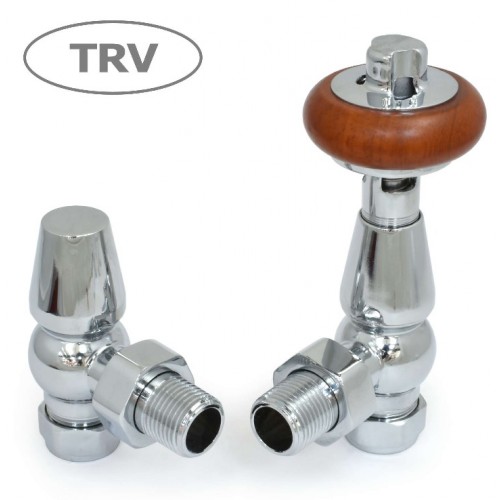
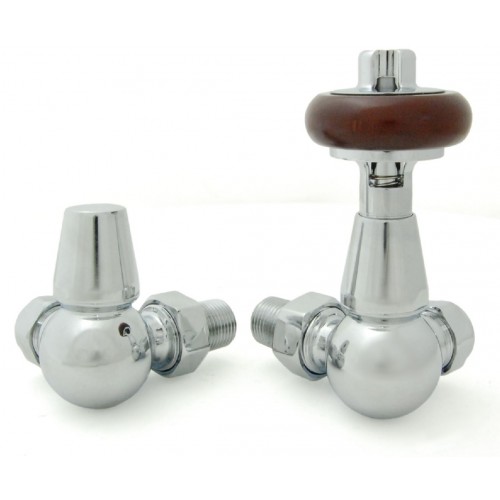
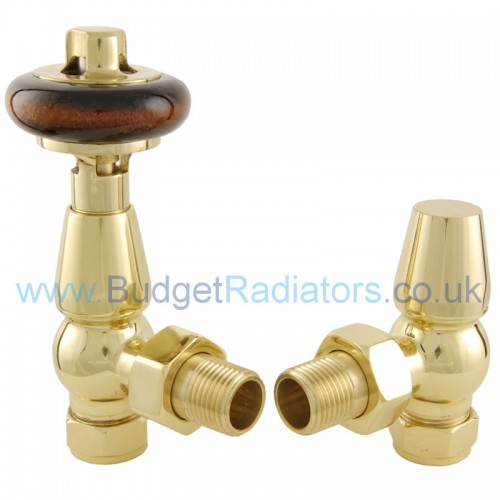
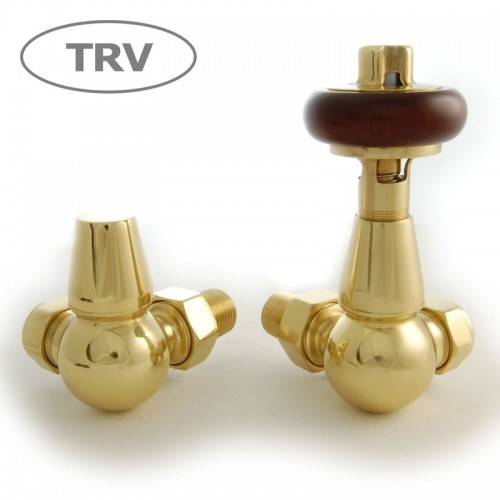
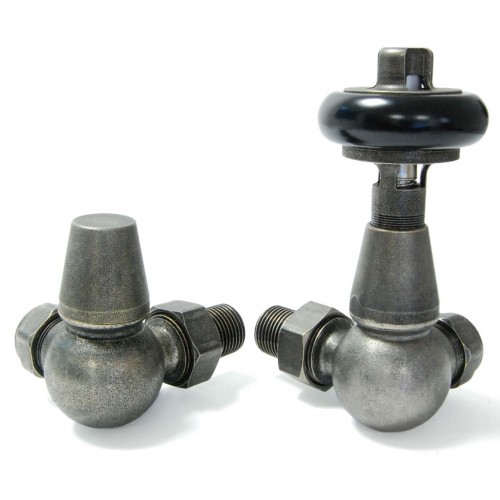
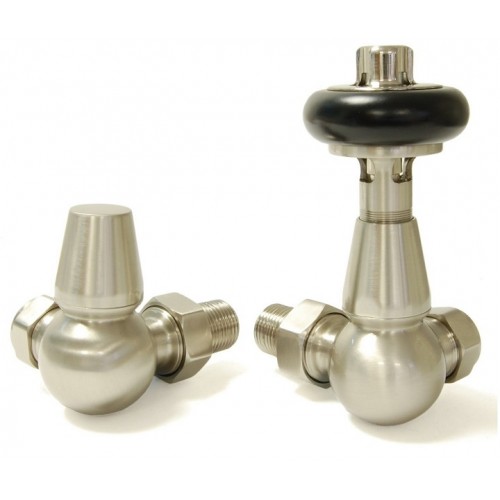
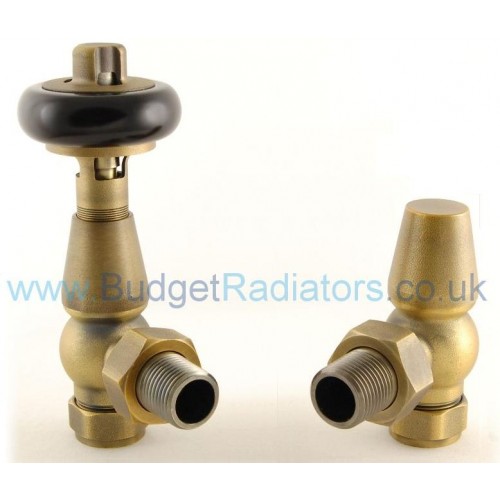
The choice between Angled and Corner valves depends entirely on your pipework positioning relative to the radiator. You require the Belgravia Angled Valve Set if your heating pipes emerge vertically from the floor and connect to the side of the radiator. You require the Belgravia Corner Valve Set if your pipes emerge horizontally from the wall and connect to the side of the radiator. Technically, the Corner valve allows the thermostatic head to sit vertically upright rather than protruding into the room, which provides a neater flush finish and prevents the head from being accidentally knocked in high traffic areas.
How does the Un-Lacquered Brass finish on the Belgravia valve change over time?
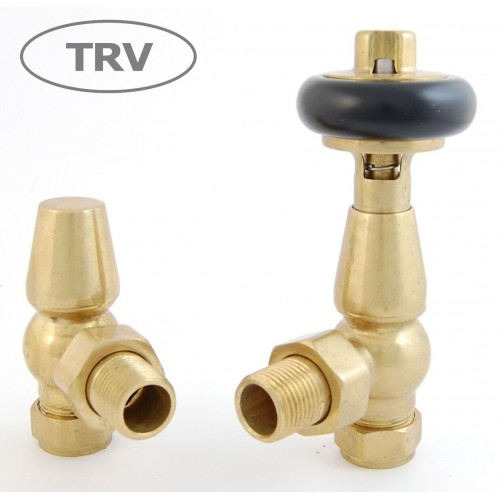
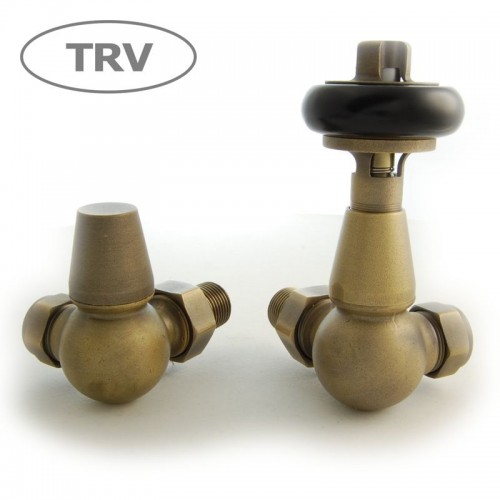
The Un-Lacquered Brass finish is a living finish designed to age naturally. Unlike the Polished Brass option which is sealed with a lacquer to maintain its shine, the Un-Lacquered version has no protective coating. This means it will react with oxygen in the air to develop a natural darker patina or tarnish over time. This is a deliberate technical aesthetic choice for authentic period properties. If you wish to restore the original shine, you must polish it regularly with a proprietary brass cleaner; otherwise, it will settle into a dull, antique bronze appearance.
Can the Belgravia TRV be installed on either the flow or return pipework?
Yes, the Belgravia range utilizes a bi directional valve body. This technical design allows water to flow through the valve in either direction without causing the internal jumper to vibrate, which is the common cause of water hammer noise in older uni directional valves. This solves the problem of having to identify the flow and return pipes under your floorboards, as you can install the thermostatic head on either the left or right side of the radiator depending on your preference or room layout.
What is the specific function of the Lockshield valve included in the Belgravia set?
The Belgravia set includes one wheel head valve (the TRV) and one Lockshield valve. While the TRV controls the temperature, the Lockshield is technically used to balance the hydraulic flow of your heating system. By adjusting the internal spindle of the Lockshield, you restrict the water flow exiting the radiator. This creates back pressure that forces hot water to travel to other radiators further away from the boiler, solving the problem of some rooms being too hot while others are too cold.
Are the Belgravia valves compatible with modern 10mm or 8mm microbore pipework?
The Belgravia valves are manufactured with a standard 15mm compression inlet, which is the industry standard for UK heating systems. If you have older or specific microbore pipework (typically 10mm or 8mm copper pipe), you cannot connect these directly. To solve this technically, you must purchase a separate pipe reducer or a reducing olive. You insert this reducer into the valve inlet to bridge the gap between your smaller pipe and the 15mm valve opening, ensuring a watertight compression seal.
How does the Frost Protection feature operate within the Belgravia thermostatic head?
The Belgravia TRV head contains a liquid filled sensor that expands and contracts with room temperature. Even when the valve is turned to the fully closed or off position, it retains a safety setting known as Frost Protection. If the ambient temperature in the room drops dangerously low (typically around 7 degrees Celsius), the sensor technically contracts enough to open the valve slightly. This allows a small amount of hot water to circulate, preventing the water inside the radiator from freezing, expanding, and causing the radiator steel to split or burst.
How do I maintain the Black Nickel or Polished Nickel finishes without damaging them?
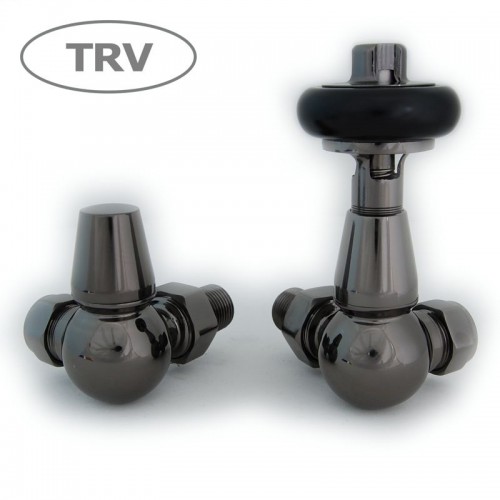
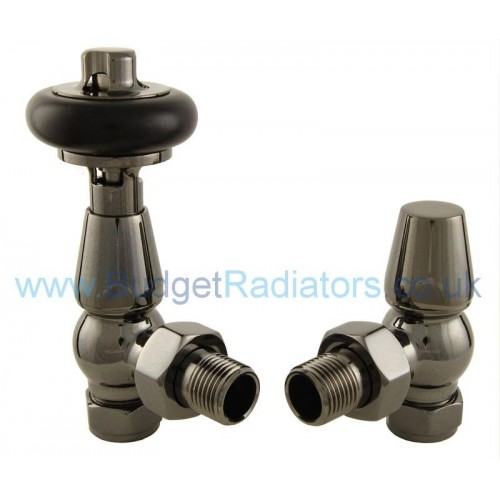
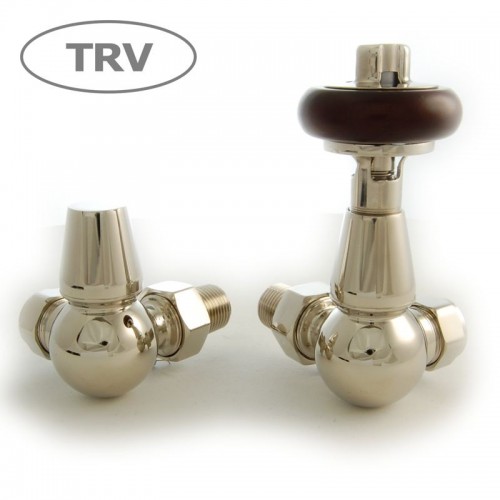
Plated finishes like Black Nickel and Polished Nickel on the Belgravia range require specific care to preserve their mirror look. You must strictly avoid using abrasive scouring pads, wire wool, or acidic bathroom cleaners (such as limescale removers). These harsh chemicals can micro etch the plating or strip the lacquer. The correct maintenance technique is to simply wipe the valve with a soft dry cloth to remove dust, or a damp cloth with mild soapy water for marks, drying it immediately to prevent water spots from forming on the metallic surface.
Why is the weight of the Belgravia valve significantly higher than standard generic valves?
The Belgravia range weighs approximately 1kg per set because it is constructed from solid high grade brass rather than thin die cast metal or plastic components. This heavy pattern construction provides superior structural integrity, making the valve body resistant to stress fractures if the radiator is knocked. Technically, the substantial brass mass also holds heat well and provides a robust thread for the tail connection, reducing the risk of cross threading or snapping the tail during high torque tightening on installation.
What dimensions do I need to account for when installing Belgravia Corner valves?
When installing the Belgravia Corner Valve, you must account for the specific wall to pipe centre distance. The valve has a depth of approximately 67mm. This means your copper pipe must emerge from the wall at a specific distance to align with the radiator tapping. If you are roughing in pipework before the radiator is hung, you must add this valve dimension to the radiator's wall to tapping distance. Failing to calculate this accurately will result in the pipes being under stress or not aligning, requiring difficult adjustments to the tiled wall surface later.
Does the 10 Year Guarantee cover the internal thermostatic cartridge?
Yes, the 10 Year Guarantee covers manufacturing defects across the entire valve assembly, including the brass body and the internal thermostatic mechanism. If the liquid sensor fails or the pin mechanism seizes due to a manufacturing fault within this period, it is covered. However, the guarantee does not cover system related issues such as sludge blockage. You must ensuring your central heating system is flushed and contains corrosion inhibitor, as sludge can physically block the valve seat, which is a maintenance issue rather than a product defect.