
Lambeth TRV Range Products
Frequently Asked Questions
How does the thermostatic sensor in the Lambeth TRV technically contribute to home heating efficiency?
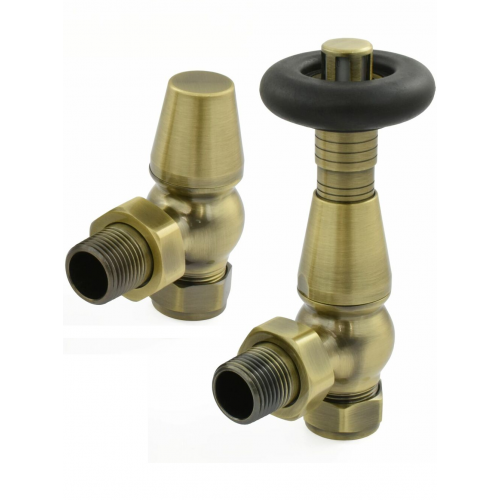
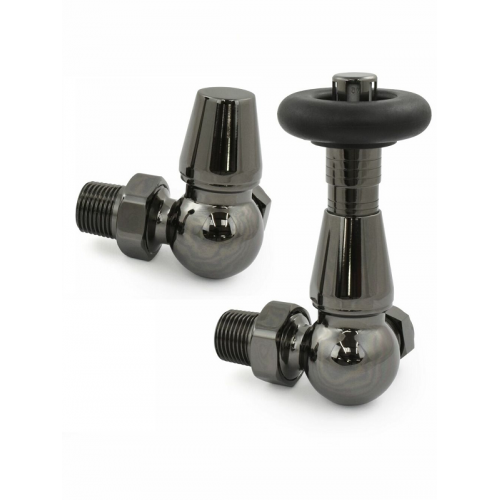
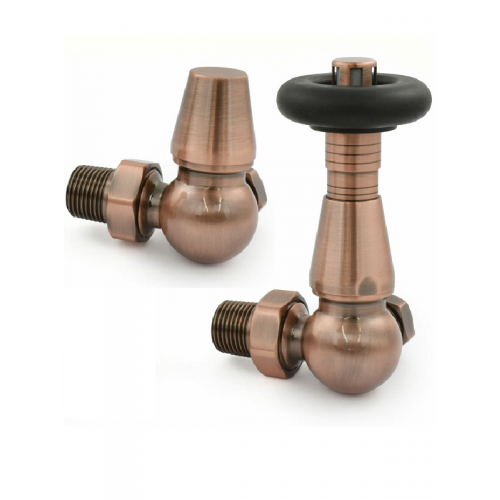
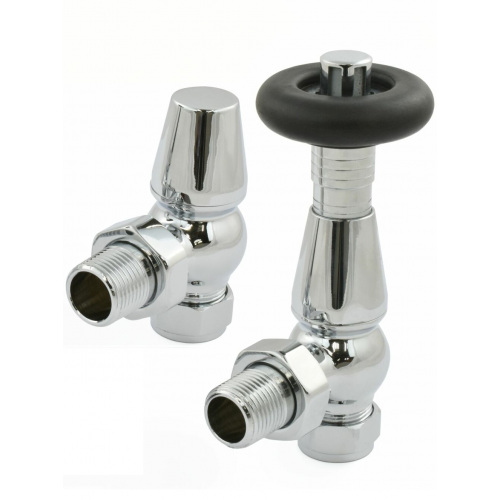
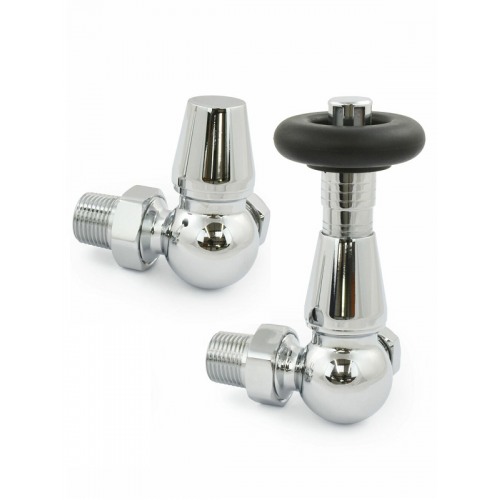
The Lambeth TRV operates using a liquid or wax filled sensor within the floral style head. Technically this sensor expands as the ambient room temperature increases and contracts as it cools. By automatically adjusting the valve pin to restrict or increase hot water flow into the radiator based on the room air temperature it prevents the room from overheating. This precise modulation ensures that your boiler only generates the heat energy actually required to maintain your set comfort level significantly reducing energy wastage and fuel bills.
What is the technical significance of the Lambeth TRV being a bi directional valve?
The Lambeth TRV is engineered with a bi directional flow mechanism. This means the internal valve seat and washer are designed to handle water flow from either direction without vibrating or causing the loud banging noise known as water hammer. Technically this solves a common installation problem by allowing you to install the thermostatic control head on either the flow pipe (water entering) or the return pipe (water leaving) giving you total flexibility to position the valve on the side of the radiator that is most accessible.
How do I properly balance my system using the Lambeth Lockshield valve included in the set?
The Lockshield valve which is the smaller valve in the set without the large adjustment head is critical for hydraulic balancing. Technically balancing involves adjusting this valve to restrict the flow of water exiting the radiator. By tightening the Lockshield you increase the dwell time of the hot water inside the radiator ensuring effective heat transfer and forcing water to travel to radiators further away from the boiler. This ensures that all radiators in your property heat up evenly rather than just those closest to the pump.
What pipework connections are technically required to install the Lambeth TRV range?
The Lambeth TRV range is manufactured with standard UK plumbing connections. The inlet features a 15mm compression fitting which connects directly to standard 15mm copper piping using a nut and olive to create a watertight seal. The outlet is a 1 half inch BSP (British Standard Pipe) male thread which screws into the radiator tail. If you have older imperial pipes or modern 10mm microbore pipes you will technically need to use specific adapters or reducers to bridge the size difference to the 15mm valve inlet.
Can the Lambeth Traditional TRV be used on modern steel panel radiators as well as cast iron ones?
Yes technically the Lambeth TRV is compatible with any radiator that has standard 1 half inch BSP tappings which includes virtually all modern steel panel radiators and traditional cast iron radiators. While the floral wheel head design is aesthetically tailored for period style cast iron or column radiators the thread sizing is universal. You simply need to ensure that the physical size of the valve head does not obstruct any wall placements or surrounding furniture given its slightly wider traditional profile compared to compact modern valves.
What maintenance is required to protect the finish of the Lambeth valve body and handle?
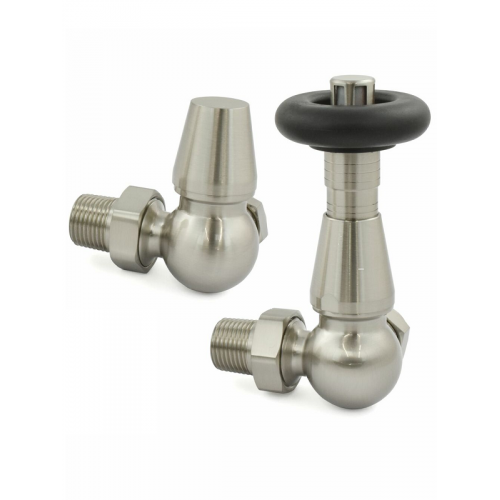
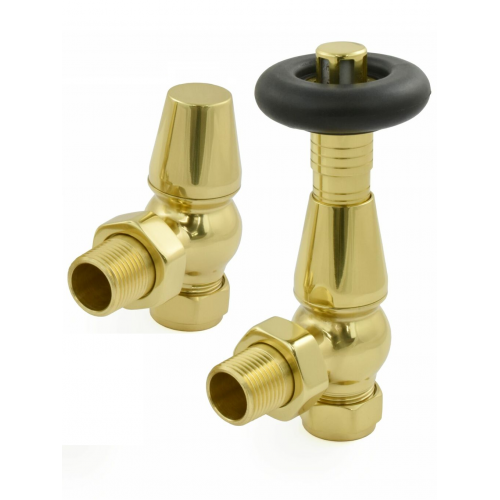
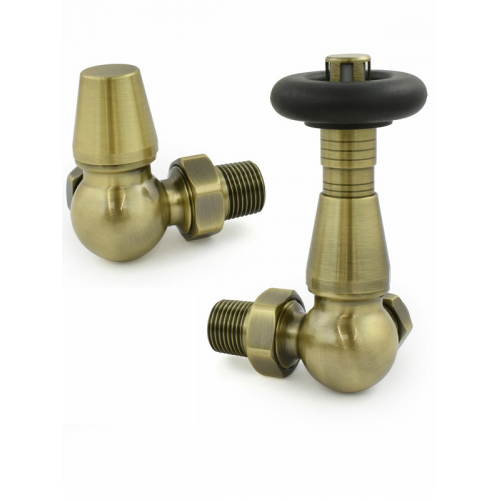
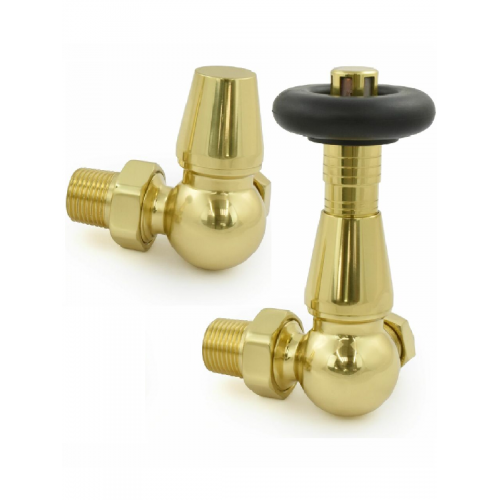
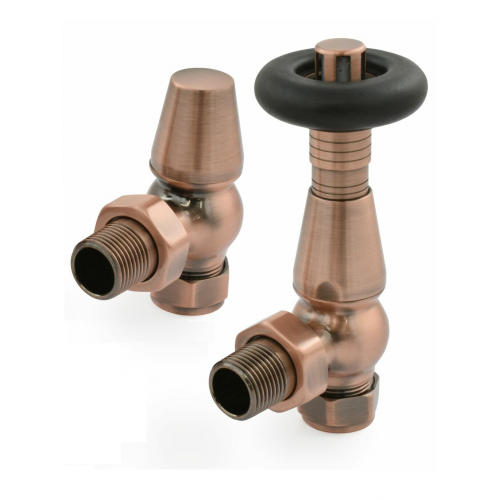
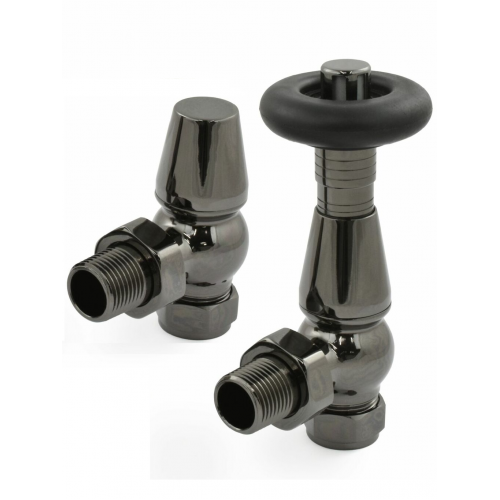
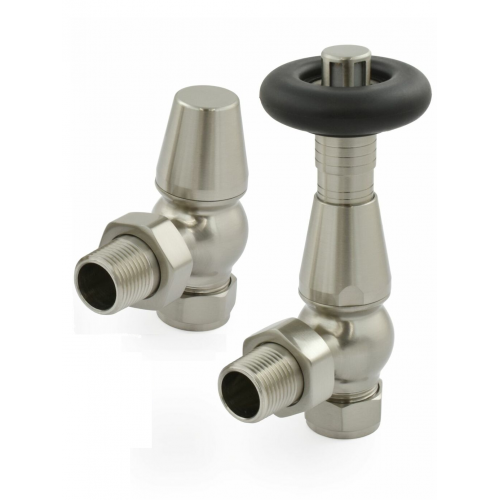
The Lambeth valves are made from solid brass with high quality plating such as Chrome, Brass, or Nickel. To maintain the finish technically you must avoid all abrasive chemical cleaners or acidic descalers as these can strip the protective lacquer or plating. The correct maintenance procedure is to simply wipe the valve body and the handle with a soft dry cloth or a slightly damp microfiber cloth. This prevents surface tarnishing and protects the seals from chemical degradation ensuring the valve remains aesthetically pleasing and leak free.
How does the frost protection setting on the Lambeth TRV technically operate?
The frost protection setting is usually indicated by a snowflake symbol or the lowest position on the dial. Technically when set to this position the valve remains closed unless the ambient room temperature falls below a critical threshold usually around 7 degrees Celsius. At this point the sensor contracts enough to open the valve slightly allowing warm water to circulate. This prevents the water inside the radiator and adjacent pipework from freezing and expanding which solves the problem of burst pipes during winter periods when the room is unoccupied.
How much allowance for pipe centers should I technically provide for the Lambeth valves?
When roughing in pipework before installing the radiator you must account for the width of the valves. The Lambeth TRV is an angled or corner valve pattern depending on your selection. Technically you should allow approximately 80mm to 90mm of extra width on each side of the radiator connections to accommodate the valve body and the compression nut. Installing pipes too close to the radiator will result in the valves being under stress which can lead to leaks at the compression joint or difficult thread engagement.
What should I do if the Lambeth TRV pin becomes stuck after summer inactivity?
If the radiator fails to heat up in autumn it is often because the internal pin has seized in the closed position due to lack of movement. To technically resolve this unscrew the decorative floral head from the valve body to reveal the metal pin. Gently depress the pin using the flat side of a tool or a coin
Why is the solid brass construction of the Lambeth range important for system durability?
The Lambeth range is constructed from heavy grade solid brass rather than lighter alloys or plastic composites. Technically brass is non ferrous and highly resistant to corrosion in the water and oxygen environment of a heating system. It withstands high temperatures and system pressures without warping or cracking. This material choice ensures a long service life and provides a robust thread for tightening compression nuts reducing the risk of cross threading or cracking during installation compared to cheaper zinc based alternatives.