
Traditional TRVS - Reducers and Decorators' Caps Products
Showing 1 to 6 of 6 (1 Pages)
Frequently Asked Questions
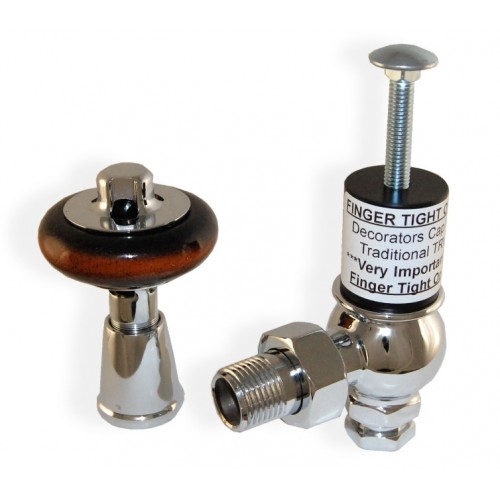
Why is a decorator's cap technically required when removing a radiator for painting?
You might assume turning the TRV dial to "0" or "Off" is sufficient to stop water flow, but this is a technical error. Most TRVs have a "Frost Protection" feature that automatically opens the valve if the room temperature drops below 7
How do I identify which decorator's cap is compatible with my specific traditional valve?
TRV bodies are not universal. The thread size on the valve body neck (where the head screws on) varies by manufacturer. The caps listed on this page are specifically engineered for the Abbey, Admiral, Belgravia, and Bentley ranges sold by Budget Radiators. Using a generic M30 cap from a hardware store on an incompatible traditional valve body may damage the thread or fail to depress the pin fully, leading to leaks.
How do I technically install a 15mm to 10mm microbore reducer correctly?
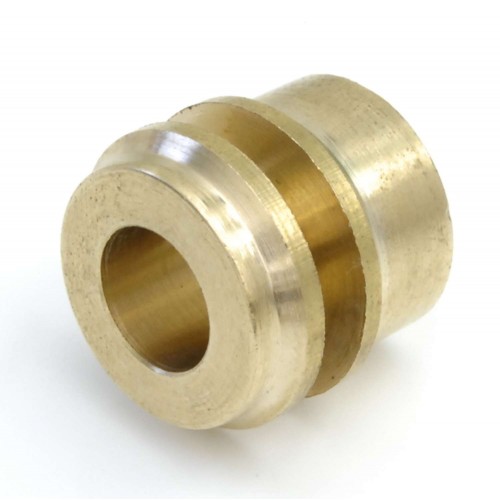
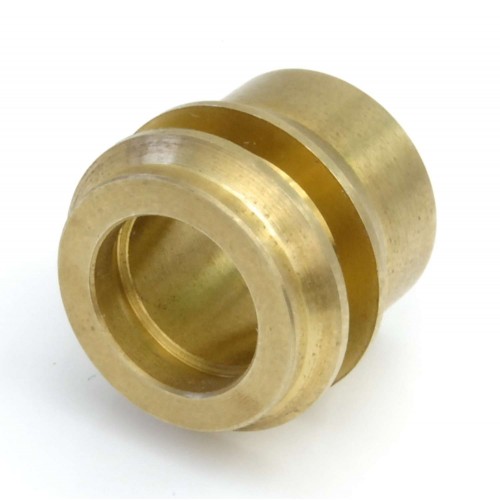
To install a traditional 15mm valve on 10mm microbore pipework, you do not solder the reducer. Instead, you remove the standard 15mm olive from the valve inlet. You then insert the Microbore Reducer (which acts as a combined olive and spacer) directly into the valve mouth. When you tighten the valve nut, it compresses the reducer onto the 10mm copper pipe, creating a watertight compression seal without altering the external look of the valve.
Can I reuse the decorator's cap after I have finished re-decorating?
Yes, the decorator's cap is a durable maintenance tool. Once you have finished painting or wallpapering behind the radiator, you unscrew the cap and re-attach the decorative thermostatic head. You should technically store the cap in a safe place (like a toolbox or taped to the back of the radiator) so you have it ready for future maintenance or emergency radiator removal.
What component do I need if my existing pipework is old 3/4 inch iron pipe?
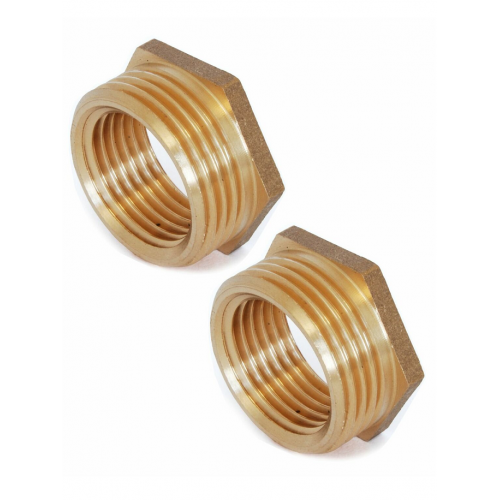
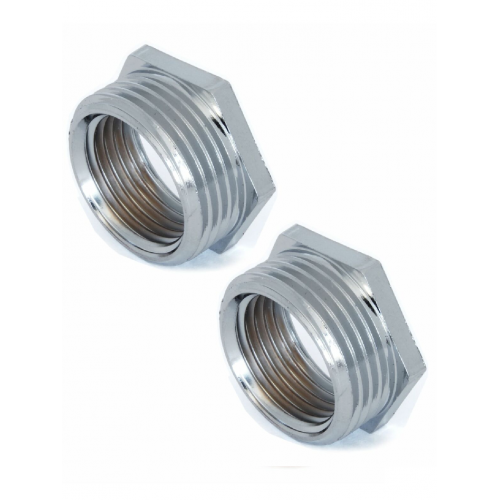
Many period properties have larger 3/4" iron feed pipes. Modern traditional valves usually have 1/2" connections. To solve this, you need a 3/4" to 1/2" Bush Adapter. This brass fitting screws into the large iron pipe, reducing the internal thread size down to accept the standard radiator valve tail. This allows you to fit new valves without ripping up the floor to replace the original piping.
Does using a microbore reducer affect the flow rate or heat output of the radiator?
Technically, reducing the pipe size does restrict water volume, but if your system is already piped in microbore (8mm or 10mm), the flow restriction is already present in the pipework itself. The reducer simply adapts the connection. However, because microbore systems rely on higher pump pressure, you must ensuring the Lockshield valve on the opposite side is opened sufficiently to balance the system and prevent the radiator from underperforming.
Why should I not just use tape to hold the TRV pin down?
It is common practice for DIYers to tape a coin over the pin or use duct tape to hold the valve closed. This is technically unsafe. The water pressure behind the pin in a central heating system can range from 1 to 3 bar. Tape can stretch or slip over time, especially if the pin is stiff. A threaded Decorator's Cap applies constant, mechanically secured pressure that cannot slip, providing a guaranteed seal.
Can these accessories be used on the Lockshield side of the radiator?
No, the decorator's cap is specific to the Thermostatic (TRV) side only. The Lockshield valve (the smaller valve on the other side) is a manual valve. To close a Lockshield, you simply screw the internal spindle down clockwise until it stops. You do not need a separate cap to shut it off; you only need the plastic blanking cap it came with to protect the spindle head.
What material are the reducers made of and will they rust?
The reducers and adapters are manufactured from Solid Brass. Brass is a non-ferrous metal, meaning it does not rust when in contact with water. This is critical for the long-term integrity of the joint. Cheaper steel reducers could corrode inside the valve, causing the joint to seize or leak years later. The brass construction ensures they match the thermal expansion rate of the copper pipe and brass valve body.
Do I need PTFE tape when fitting the decorators cap?
No, you technically do not need PTFE tape for the decorator's cap. The seal is created by the cap pushing the pin down into the valve seat (rubber washer inside the valve body). The cap itself does not hold water; it just operates the mechanism. However, for Reducers and Bushes, you definitely should use PTFE tape on the threads to ensure a watertight seal against the system pressure.