
Electric Elements and Controls Products
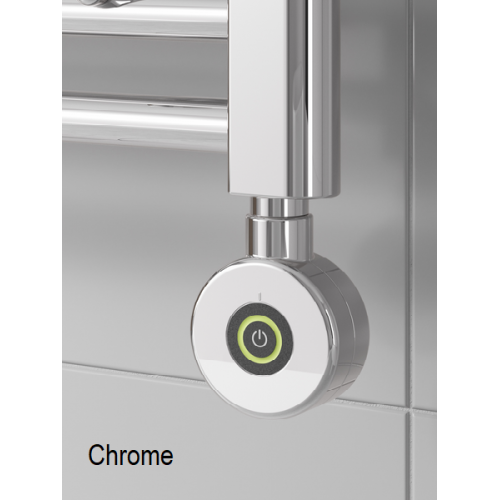
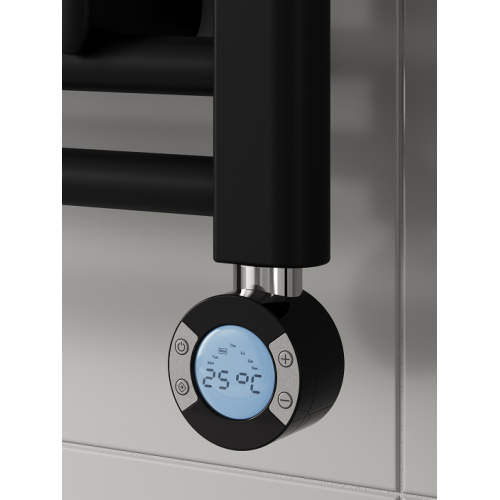
Showing 1 to 11 of 11 (1 Pages)
Frequently Asked Questions
How exactly does an electric immersion element work inside a towel radiator?
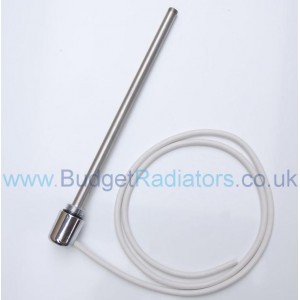
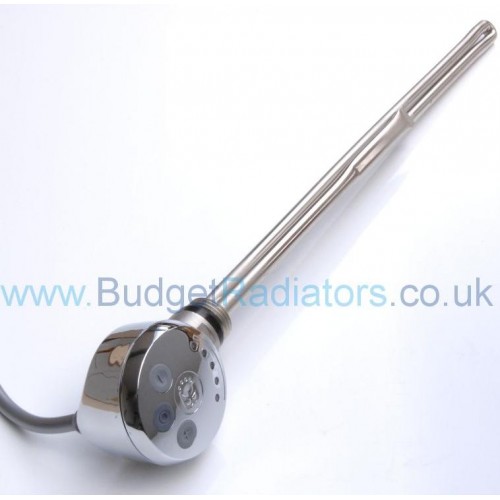
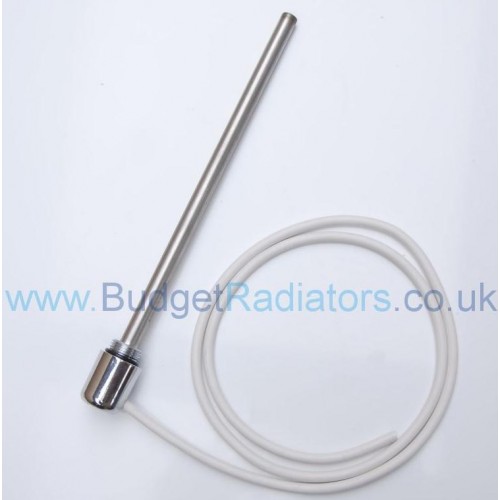
An electric immersion element acts like a kettle element but for your radiator. Technically, it is a resistive heating coil housed inside a metal tube (the probe). When you activate it, electricity flows through the resistance wire, generating heat. This heat is transferred to the liquid (usually a water and glycol mix) inside the rail. As the liquid warms up, it becomes less dense and rises (convection), pushing cooler liquid down to be heated. This continuous cycle ensures your towel rail stays evenly warm without needing the central heating boiler.
How do I calculate the correct wattage for my electric radiator element?
Choosing the correct wattage is critical for safety and efficiency. If the wattage is too high, the liquid can boil and create dangerous pressure; if too low, the rail won't get hot. Technical Rule: You generally need 50 Watts of power for every 100mm of radiator height (for standard width rails).
What is a "Dual Fuel" setup and why do I need a T-Piece?
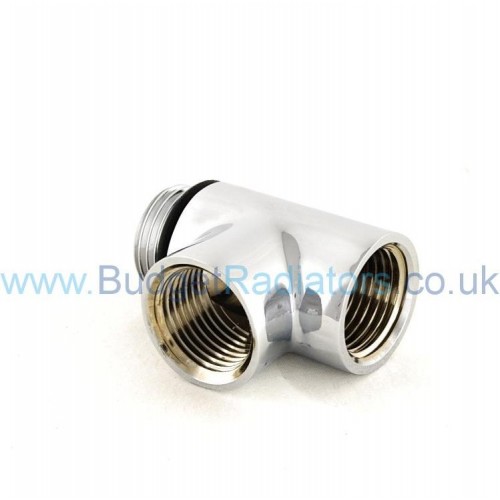
A Dual Fuel Kit allows your radiator to be heated by your gas boiler in winter and the electric element in summer. To achieve this, you need a specialized brass fitting called a T-Piece. The T-Piece screws into the bottom of the radiator and splits the connection into two: one port for the central heating water valve and one port for the electric element probe. This allows both heat sources to coexist in the same unit safely without blocking the water flow.
Why is the "Expansion Gap" so important when filling an electric radiator?
You must never fill an electric radiator 100% full. You must leave an expansion gap (usually 2–3 inches of air) at the top. The Physics: When water heats up, it expands in volume. If the radiator is completely full of liquid with no air gap, the expanding liquid has nowhere to go. This creates massive internal hydraulic pressure that can blow the seals, cause leaks, or even rupture the steel. The air gap acts like a cushion that compresses safely as the fluid expands.
What is the correct liquid mixture for an electric-only towel rail?
Do not use plain tap water alone! Plain water can freeze in winter (cracking the metal) and cause internal rust (corrosion) over time. The Solution: We recommend a mixture of 85% deionized water and 15% Ethylene Glycol (often called inhibitor or antifreeze). The Glycol lowers the freezing point and creates a protective chemical layer inside the radiator to stop rust, ensuring your electric immersion element lasts for many years.
What do IP Ratings like IPX4 or IPX5 mean for my bathroom safety?
IP Ratings (Ingress Protection) tell you how waterproof the electrical unit is. This is vital for meeting UK safety laws for bathroom Zones.
Why must I leave a valve open when using a dual fuel element?
This is a critical safety step! When you use the electric element in a dual fuel radiator, you must isolate the radiator from the central heating system, BUT you must ensure pressure relief is possible. The Danger: If you close both the "Flow" and "Return" valves tightly and turn on the electric element, the water expands and builds dangerous pressure (like a pressure cooker). You should slightly crack open the bleed valve or leave one radiator valve slightly open (if the system allows) to prevent pressure buildup. Alternatively, use a "Dual Fuel" specific valve that automatically manages this.
What is the difference between a Standard and a Thermostatic element?
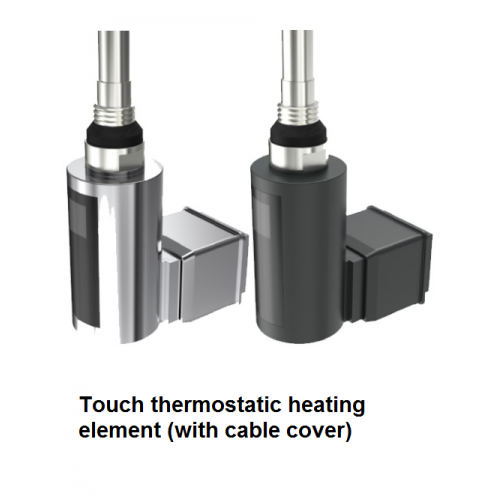
Standard Elements: These are "dumb" heaters. They run at 100% power until they hit a fixed internal limit (usually 65°C) and then cycle off/on. They are cheaper but use more electricity. • Thermostatic Elements: These are "smart." They have an internal sensor that monitors the actual liquid temperature. You can set a specific heat level (e.g., 45°C). The element will modulate its power to hold that exact temperature, saving energy and preventing scorching hot towels.
Can I install an electric element myself or do I need an electrician?
You can physically screw the element into the radiator yourself (mechanical installation) if you are handy with a wrench. However, the electrical wiring connection to the mains voltage is not a DIY job. Under UK Building Regulations (Part P), electrical work in a bathroom is "notifiable." You must hire a qualified electrician to wire the element into a Fused Spur (a safe wall switch) to ensure it is earthed and waterproof.
My thermostatic element is flashing lights—what do the Error Codes mean?
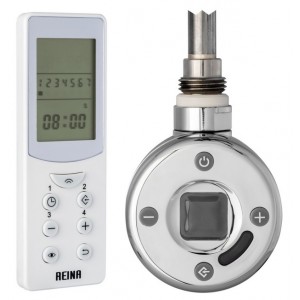
Modern elements (like the MEG or MOA models) use flashing LEDs to tell you their status: • Flashing Blue: The element is currently heating up to reach your set point. • Flashing Middle LED: Anti-freeze mode is active (temp is below 6°C). • Rapid Flashing / Red Light: This often indicates an Error Code. It usually means the element is overheating (Dry Radiator detected) or the temperature sensor has failed. Turn it off immediately and check if the radiator is filled with liquid.
Why does my electric radiator have cold spots at the top?
This is usually due to an Air Lock. While you need an expansion gap, too much air can get trapped in the top bars, preventing the hot liquid from circulating there. The Fix: With the element OFF and cool, open the bleed valve at the top with a key. You will hear air hissing out. Once water starts to dribble out, close it immediately. Note: If you bleed too much, you may need to top up the fluid level.
Does the orientation of the element matter (Vertical vs. Horizontal)?
Yes, it matters immensely. Electric immersion elements must almost always be installed vertically entering from the bottom of the radiator. Why? The heat sensor is usually located at the tip or the base of the probe. If installed horizontally or at the top, the heat convection won't flow correctly, and the sensor will misread the temperature, causing the unit to short-cycle (turn off too early) or overheat and burn out.
Can I put a timer on my electric towel rail?
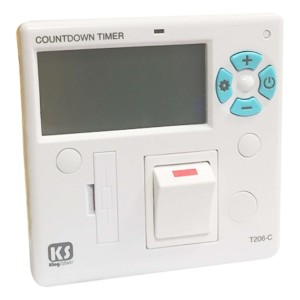
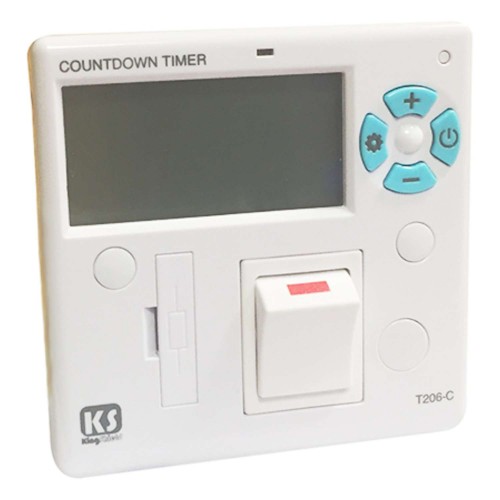
Yes. Standard elements can be wired to an external wall timer (like a central heating programmer). However, many of our Thermostatic Elements come with built-in timers. They have a "Boost" function (e.g., 2-hour mode) where you press a button, and the rail heats up to max power for 2 hours to dry your towels, then automatically switches off. This is the most energy-efficient way to use a towel rail.
Why is my newly installed element leaking at the joint?
This is a common installation error caused by over-tightening. The element uses a rubber O-ring to create a waterproof seal. If you use a massive spanner and tighten it too much, the rubber O-ring gets crushed and distorted, creating a gap for water to escape. The Fix: Hand-tighten the element first, then use a spanner for just a half-turn or "nip" until it feels firm. Do not force it.
What is the "Anti-Freeze" or "Frost Protection" mode?
This is a smart safety feature found in our thermostatic ranges. If you go away on holiday in winter and turn your heating off, the water in the radiator could freeze and burst the pipes. How it works: If the element detects the temperature dropping below roughly 5
Do I need a specific fuse amperage for the Fused Spur?
Yes. The element must be wired into a Fused Spur (a box on the wall with a fuse inside). The rating of the fuse depends on the wattage of the element, but typically:
Can I convert my old standard radiator into an electric one?
Generally, yes, provided it is a standard wet system radiator (like a ladder rail or column radiator). You will need to: 1. Remove the radiator from the wall. 2. Flush it out to remove sludge. 3. Screw the electric element into one bottom tapping. 4. Screw a "Blanking Plug" into the other bottom tapping. 5. Fill it with the Glycol/Water mix (leaving the expansion gap). 6. Bleed it and wire it up.
Why does my element make a hissing or kettling noise?
A hissing sound (like a kettle boiling) often means there is limescale buildup on the heating probe or trapped air bubbles around the element. The Fix: If you live in a hard water area, limescale can attach to the hot element, reducing efficiency and causing noise. Using the correct Glycol inhibitor mix prevents this scale from forming. If it is air noise, bleeding the radiator usually solves it.
Will an electric element heat my entire bathroom?
That depends on the BTU output. An electric towel rail is designed primarily to dry towels. While it emits heat, it may not be powerful enough to be the sole heat source for a large, cold bathroom in winter. The Calculation: You should use an online BTU calculator to find your bathroom's heat requirement. If your room needs 2000 BTU and your element puts out 1500 BTU (approx 450 Watts), the room will be slightly cool. You might need a secondary heater or a higher wattage element (if the radiator size allows).
What maintenance does an electric immersion element require?
Electric elements are largely maintenance-free, but for longevity: • Check the fluid: Every few years, check the bleed valve to ensure no air has built up and the inhibitor fluid hasn't degraded (turned to sludge). • Clean the surface: Wipe the control head with a soft, damp cloth. Do not use abrasive chemical cleaners on the plastic buttons or chrome finish, as this can erase the markings or damage the seals.